Improving Infrastructure and Operations for the Waxahachie Wastewater Treatment Plant

Trusted Partnership
Collaborated closely with the Waxahachie WWTP operations staff, incorporating their input into master planning and design to increase real-world impacts for employees and the community

Biological Modeling
Leveraged a modeling software to create a flexible, visual representation of the facility, allowing our team to diagnose problems, test solutions, and involve stakeholders in troubleshooting

Consistent Investment
Served as an advisor throughout the project lifecycle—beginning with master planning and analysis and continuing with design and construction phase services at the client’s request
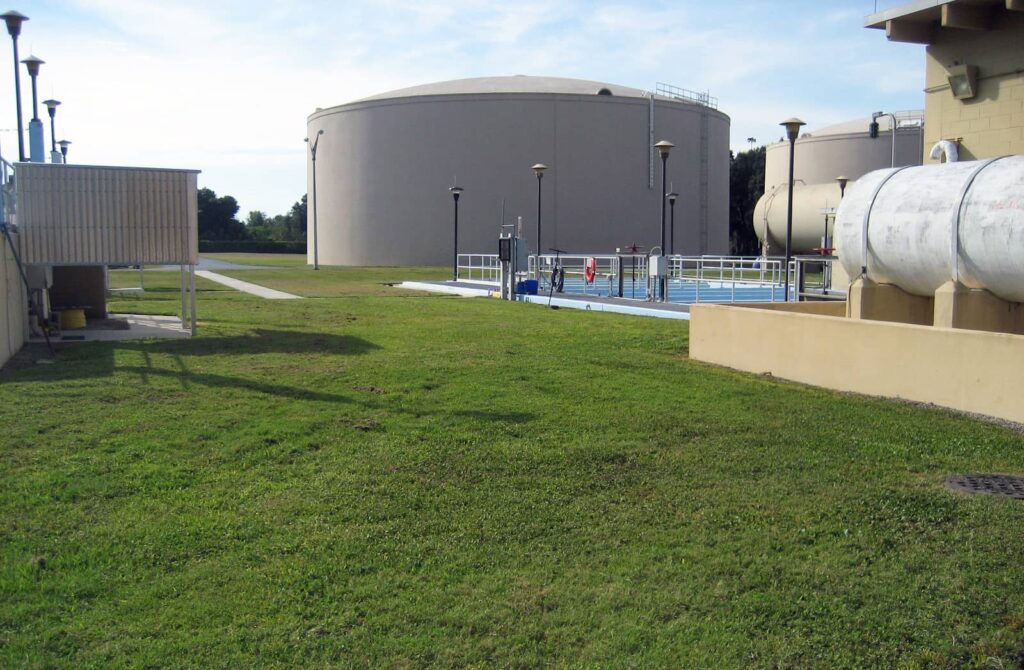
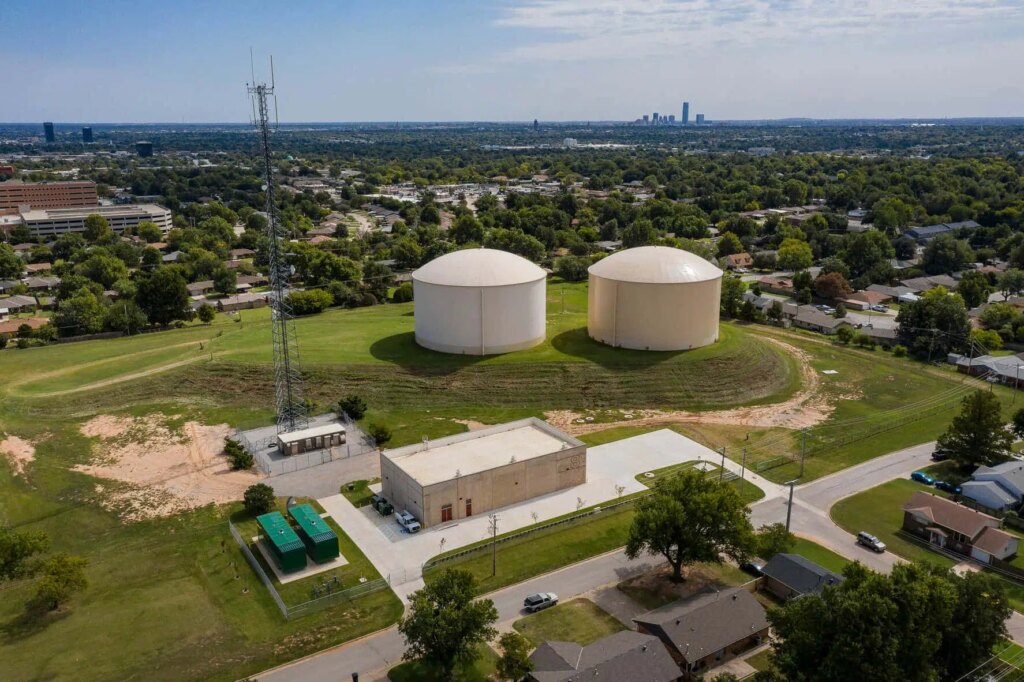
Located south of the Dallas-Fort Worth metro area, the City of Waxahachie needed a new vision for their wastewater treatment plant’s aging infrastructure. To accommodate future growth and overcome systematic deficiencies, we partnered closely with the Waxahachie Wastewater Treatment Plant (WWTP) operations staff to provide design solutions.
Improving Wastewater Treatment for Future Growth
The Waxahachie WWTP needed to increase its wastewater treatment capacity by 50%. To support this effort, we rehabilitated the existing 8 million gallon per day (MGD) facility and supported planning to expand to a 12MGD facility in the future. Overall, we provided the following services for Waxahachie WWTP improvements:
- Condition assessment
- Master planning
- Wastewater treatment design
- Biological and hydraulic modeling
- Pipeline design
- Lift station and pump station design
- Construction phase services
After starting with a master plan to help the WWTP stay at its baseline of 8MGD, we were also brought into the design and construction process by the client. Our analysis identified undersized, aging treatment infrastructure—such as blowers from the 1970s and outdated screening equipment. After diagnosing areas for improvement, we designed a new blower system in a separate building to alleviate oxygen transfer challenges and replaced two critical mechanical bar screens to support operations for the rest of the facility.
Enhancing WWTP Design Through Partnerships
Kimley-Horn previously worked with the City of Waxahachie on a roadway project, cementing a relationship that only grew throughout the WWTP improvements. From the beginning of the project, we partnered with the WWTP operations staff, who provided input throughout the master planning and design process. Their trusted insight helped develop a more user-friendly, effective design for employees who operate the facility every day.
A notable challenge during this project was replacing the existing air piping and blower system while preserving wastewater treatment operations. We worked closely with the contractor and owner to help ensure the entire team was aligned on a timeline for the old equipment to be shut down and the new equipment to be added. To further support the contractor making the replacements, our team oversaw the pipe cutting and welding process—completed in the early morning to reduce community service interruptions.
Biological Modeling to Diagnose Problems
To help the client confirm that they needed to expand their solids handling systems, we performed biological and hydraulic modeling with BioWin software. Our model simulated WWTP operations and how process changes would impact their level of wastewater treatment. It also specifically highlighted their need for a more efficient and organized wasting process. The model demonstrated that if they wasted more—removing sludge, foam, and other materials to maintain a sufficient bacterial balance—they could achieve a higher level of treatment and overall plant performance.
We worked on master planning and design for this project in 2017-2019, and the major construction period lasted from 2020-2023. In 2024, the project was officially completed. With significant infrastructure and process improvements, the Waxahachie WWTP is now prepared for greater community service demands in the future.
Related Projects