Standardizing Pump Processes at the Hydraulic Institute Annual Conference
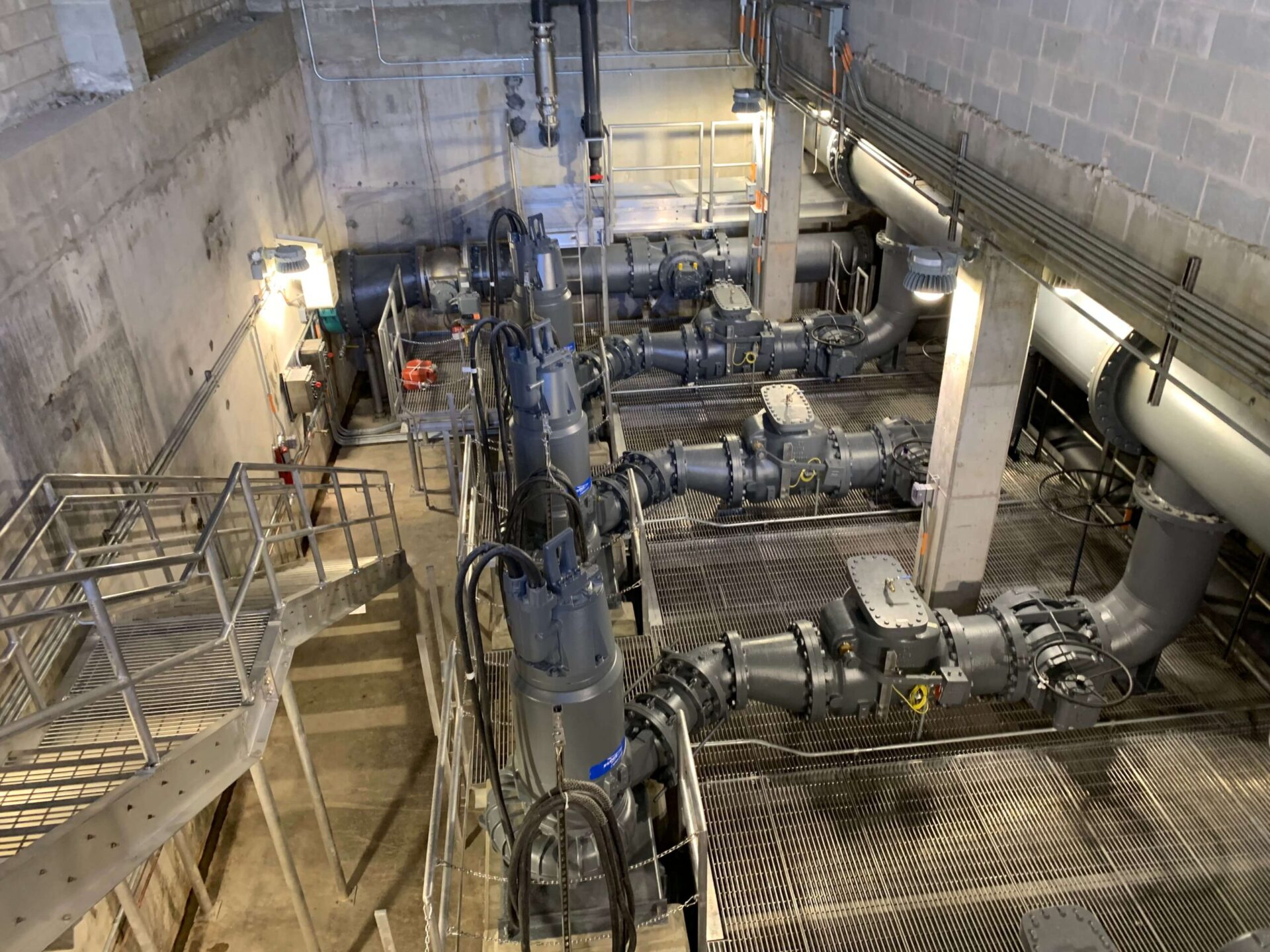
We attended the Hydraulic Institute Annual Conference (HIAC), where water/wastewater experts gave input on pump standards and industry priorities. Read on for our insights about the standards editing and updating processes and the water/wastewater industry’s direction!
The Pump Standards Development Process
The Hydraulic Institute (HI) collaborates with the American National Standards Institute to create pumping industry standards, which are available on the HI website. These standards assist industry experts in designing and installing pumps for optimized operation, adapting processes for different pump styles, and leveraging emerging technology for optimal outcomes.
HI develops pump standards through committees of water/wastewater experts from around the world; these experts attend events like HIAC 2023 and develop standards in open forums to ensure objectivity and leverage their industry experience. This collaborative process develops standards that assure water/wastewater utilities, maximize their pumps’ lifecycles and performance, and reduce costs for the public by preventing non-standardized installation.
2023 HIAC Pump Standards Updates
Committees at HIAC 2023 discussed a variety of topics—from fire pumps to energy rating oversight to positive displacement pumps. However, most groups gathered to discuss rotodynamic pump standards.
Rotodynamic pumps, particularly centrifugal pumps, are adaptable to different industries, efficient in fluid mobility, and modifiable for different installation needs, sizes, and standards. Some of the existing standards related to rotodynamic pumps—including ones providing guidance for net positive suction head margins, preferred operating regions, and intake design—were updated at HIAC 2023.
Standards Development for Advanced Modeling & Technology
At HIAC 2023, we explored advanced modeling and technology and discussed developing standards for these processes and tools. Due to their complexity and the expertise required to create standards for them, HI is considering non-traditional approaches, such as developing white papers, videos, or training programs.
We joined discussions about developing guidelines and standards for dynamic modeling and technology solutions, such as:
- Internet of Things (IoT) Technology Solutions that connect sensors and leverage an IoT methodology to analyze pump performance data like power consumption and cross-condition variable comparison metrics.
- Water Hammer Surge Modeling that identifies water hammer risk by analyzing data on piping sizes, materials, and other metrics. Experts can then determine where changes—such as valve closure rates or pump stop and start times—need to be made to prevent water hammer.
- Computational Fluid Dynamics Modeling that helps experts view rotodynamic pump flow conditions and use hydraulic design data to maintain efficient energy usage, catch problems before they cause pump failure, and condense the design process through a better understanding of how pump operations are impacted by physical constraints.
Predictions for Water/Wastewater System Regionalization and Expansion
As the population grows, water/wastewater systems and their associated pipes and pumps will need to be larger, and some utilities may combine into regionalized water systems for increased efficiency, workforce, and funding. Additionally, we estimate that water transportation will increase, with water moving greater distances through longer systems to mitigate drought conditions in regions like the southwestern United States.
Updates in the water/wastewater industry and their predicted expansion in the upcoming years will require additional standards and guidelines. Do you have the water/wastewater experts needed for this effort?



Related Insights