Cured-in-Place Pipe (CIPP) Rehabilitation: Protecting Sensitive Terrain with Proven Trenchless Technology
Cured-in-Place Pipe (CIPP) is an established trenchless technology that makes up approximately 50% of the sewer line rehabilitation market. There are four classes of liners, and CIPP can be configured to offer the highest class: a fully structural rehabilitation for deteriorated pipes.
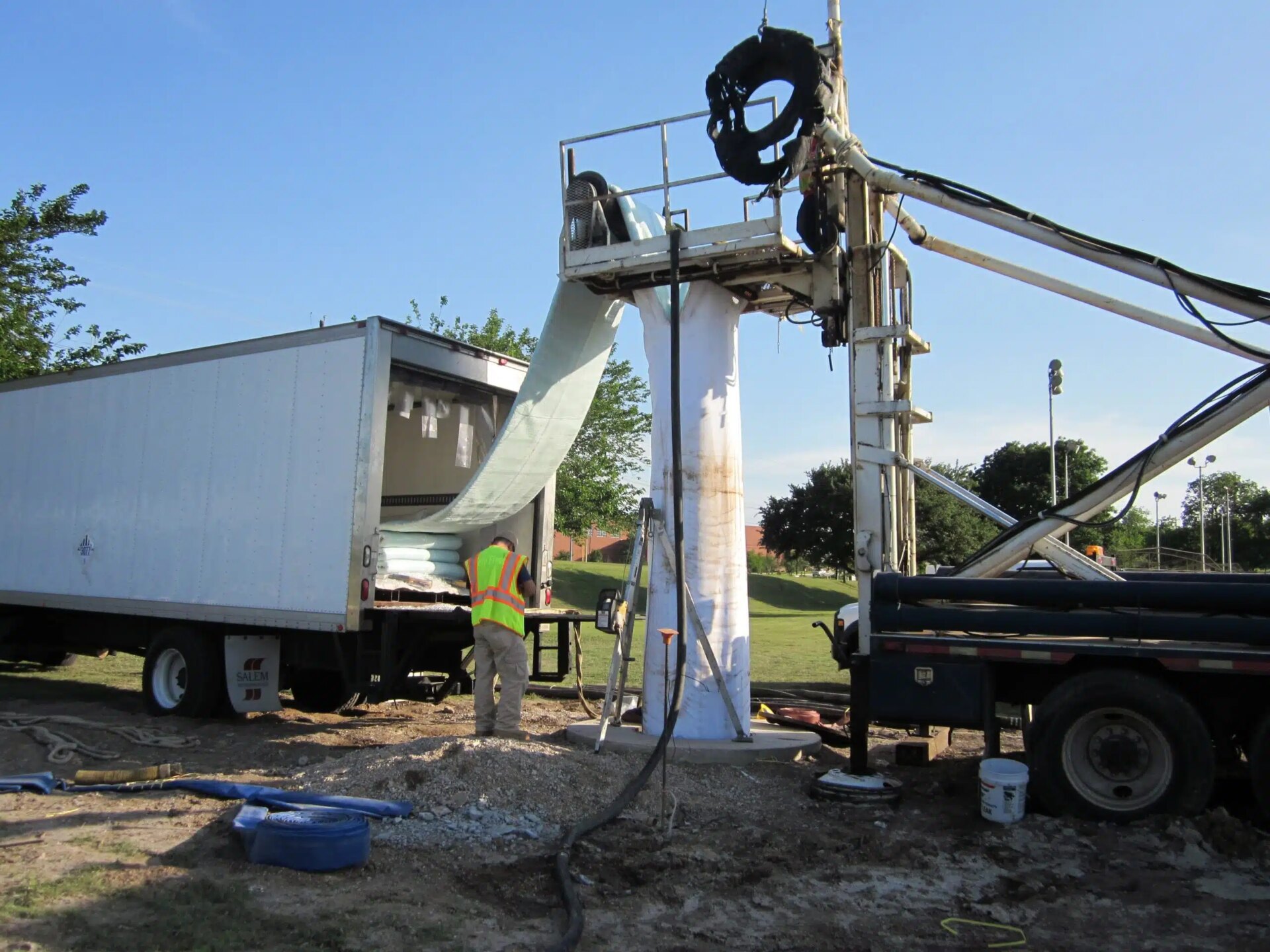
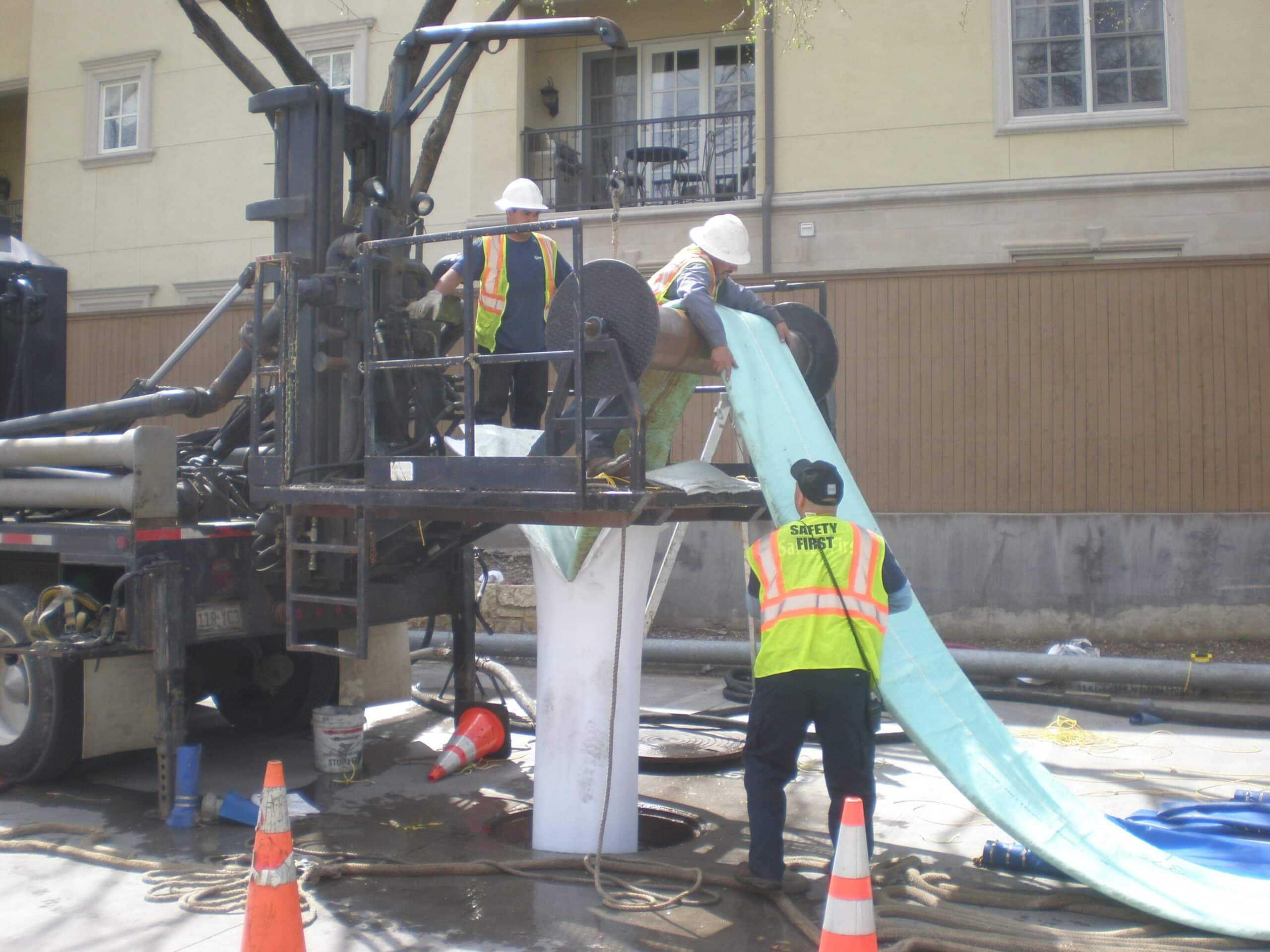
To complete the CIPP process, water/wastewater professionals use a flexible liner made of felt or other fibers together with resins that are cured with heat or ultraviolet (UV) light to re-line the existing deteriorated pipe. After the resin hardens, there is a new pipe inside the existing pipeline that extends its lifespan, with a typical design life of more than 50 years.
Exploring CIPP Applications
Since the 1970s, CIPP has been used to rehabilitate gravity sanitary sewer systems and stormwater sewers. Often located in residential areas, these types of gravity-fed pipelines can be either circular or non-circular and typically have a straight alignment.
CIPP can also be used to rehabilitate pressurized pipelines, and this technology has gained traction over the past two decades for water and force mains. There are separate design standards and considerations for pressurized pipelines due to their high operating pressure and the likelihood for fiberglass-reinforced liners. Lining through horizontal and vertical bends may be feasible, but the pressure rating is reduced. Excavations for bends, fittings, and services are also common; however, advances in robotically plugged and reinstated services are reducing excavation requirements.
At Kimley-Horn, our wastewater teams have used pressure-rated CIPP on water lines in areas where other rehabilitation options have been eliminated. For instance, a waterline in a neighborhood needed to be rehabilitated—however, it was located within an easement along the back fence line, and people had planted trees and built fences and garages over the pipeline. The surface constraints severely limited access for the pipeline rehabilitation, but our team used CIPP to rehabilitate the water main using access from each end and installed the new liner without disrupting the surface or impacting the residents.
Leveraging CIPP Benefits
A Consistent Process with Technology Upgrades
While the CIPP rehabilitation method has been used for more than 50 years, resins, liners materials, and curing methods have changed over time and new technology is being leveraged to enhance the process. For instance, UV light is an option gaining traction for curing in addition to more standard hot water or steam methods. UV cure options help reduce some of the smell and chemical release of styrene, a by-product from typical CIPP. Different materials, like fiberglass or carbon fiber, are also being used in combination with felt tubes to add more strength for certain applications, and alternate resins are regularly experimented with as well.
Additionally, leak detection technology using an electrode is supporting post-installation inspection of CIPP projects. For quality assurance, engineers typically send a camera through the pipeline to inspect the pipes after curing—which only provides surface-level visual assessments. However, the new electro-scan technology can determine if the liner is watertight. This method can be incredibly valuable, especially for larger projects where leaks can be a major source of infiltration.
Flexibility for Pipeline Sizes, Shapes, and Bends
While excavation is often still required for CIPP projects on large-diameter pipes (72-96 inches) to gain access, this trenchless method is still applicable to a wide variety of pipe sizes. Since CIPP is designed to be an independent pipe within the original pipeline infrastructure, it is far more adaptable to different pipe conditions in ways that other trenchless methods are not.
Saving Time, Cost, and Environmental Benefits
From a construction standpoint, installation with CIPP is remarkably efficient. Minimal to no excavations are required depending on the size of the manhole access, and sanitary sewer services are reinstated robotically after lining. The curing aspect of CIPP often involves a day or less to complete, which is unique in the world of trenchless installations that often require extensive time (even months) to finish.
CIPP can be expensive, especially if a given project requires a bypass—a temporary flow diversion from a pipe that is being rehabilitated to another pipeline so that utilities can maintain service to the community. However, the expense is often worthwhile to avoid the costs and impacts of a full excavation. Additionally, CIPP has environmental benefits as it rehabilitates existing infrastructure without requiring roadways and residential areas to be excavated.
Overcoming Challenges
Groundwater and Curing Obstacles
Groundwater can dilute the resin and impact temperatures during the CIPP process—ultimately resulting in uneven curing. Because of this, it is important to make sure that all active infiltration areas are plugged to prevent groundwater from entering the pipeline. A pre-liner can also be installed with the CIPP liner as a barrier between any infiltration and the resin-infused liner.
Traditionally, the temperature is measured at both ends of the pipe to confirm that appropriate curing temperatures have been reached. However, an even more comprehensive method involves using a fiber optic line that runs along the entire pipeline, which continuously monitors the temperature and curing status. The fiber optic monitoring adds some cost to the project, but it offers an increased peace of mind that the pipe has cured properly and will not require additional rehabilitation.
Pipeline Variations and Defects
Non-circular pipes (egg-shaped, oval, elliptical, horseshoe, etc.) or large pipes can also impact the curing process. For instance, large-diameter pipes take longer to cure and involve more financial investment to repair the pipe if the CIPP process fails. Additionally, most CIPP standard design is focused on circular pipes, but there are also non-circular pipes in need of rehabilitation. To address this challenge, new standards and procedures for noncircular pipes have been developed and updated in recent years.
Other pipe-specific difficulties include defects in the host pipeline’s condition—such as pipe imperfections, missing side walls, offset joints, pipe sagging, or a protruding service tap. Certain defects might require workers to go in and repair any issues before CIPP can be used, or they might necessitate a different trenchless method be used altogether.
Community and Continuous Service Challenges
As mentioned previously, CIPP projects that require a bypass can be more costly and require additional time investment to ensure continual sewer or water service is available to the community. Additionally, some byproducts of the curing process and epoxy resins, like styrene, are not environmentally friendly and can cause temporary unpleasant smells and potential health impacts to CIPP installers and those standing near the vented manhole or cleanout structure. Some experts are overcoming this issue by using styrene barrier products or transitioning to UV curing, which reduces the emission of odors.
While there are design and construction considerations, CIPP rehabilitation is a tried-and-true trenchless method that has been used to efficiently repair pipes while reducing excavation impacts and protecting community land and environmentally sensitive areas—especially if you have a trusted consultant to manage the process from start to finish.




Related Insights