The Key to Urban Logistics Center Project Success: Being a Good Neighbor
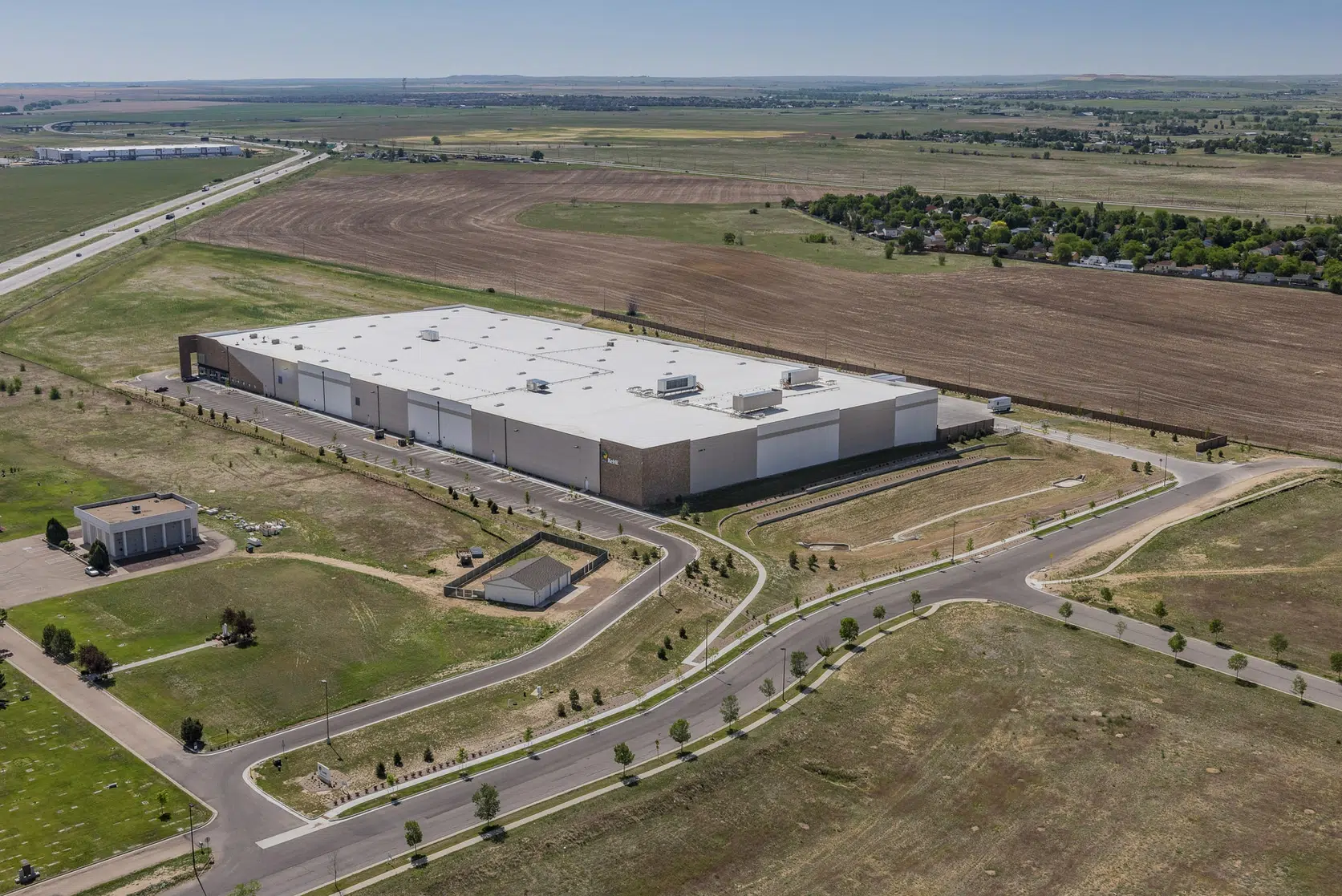
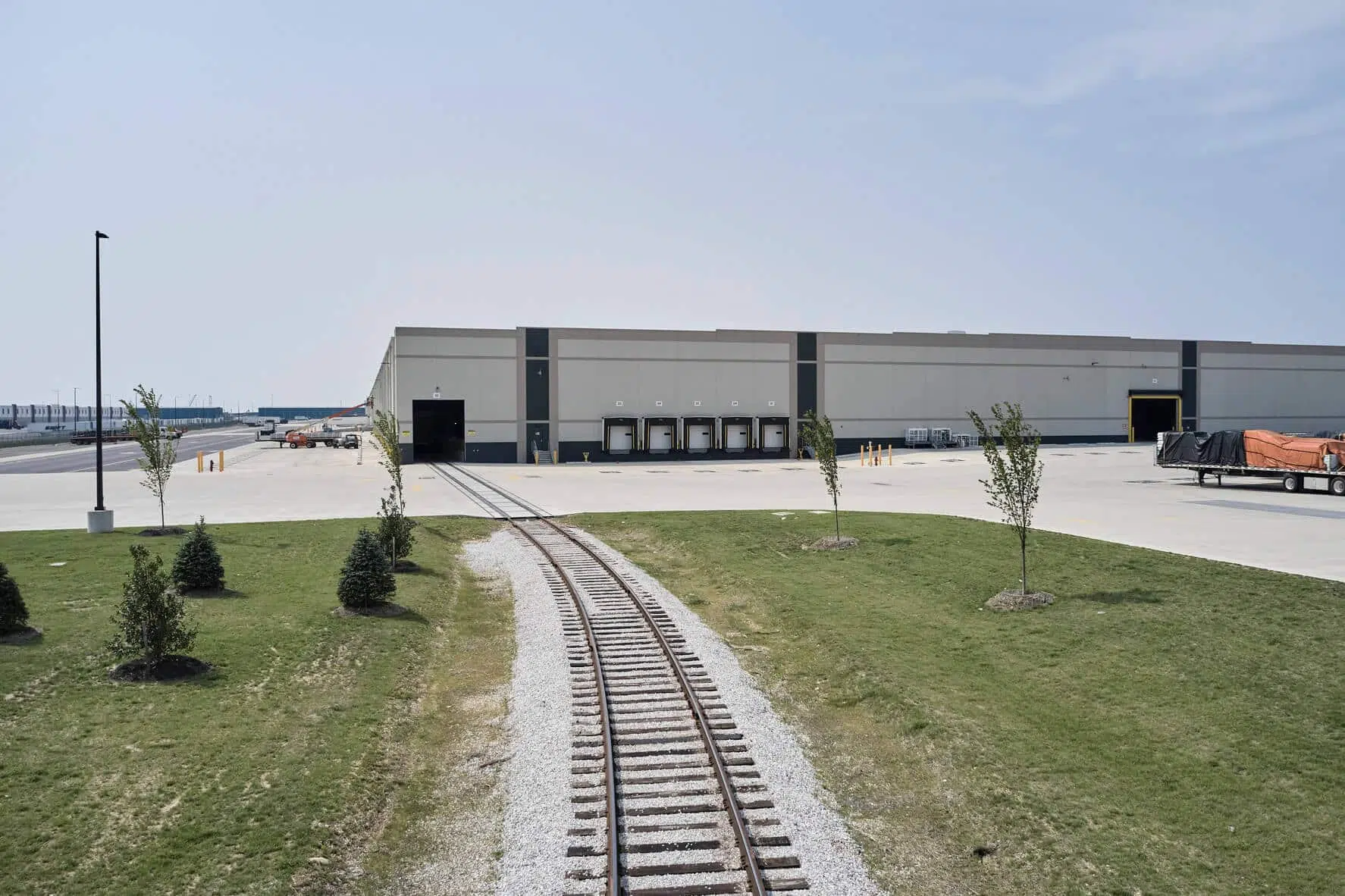
As e-commerce retailers create logistic and distribution networks that can supply customers with next-day delivery, developing urban last-mile warehouses that can dispatch goods directly to people’s doorsteps on time is critical. Warehouses and fulfillment centers that were historically located on the outskirts of cities, near ports, where space is abundant and highway access is easy, are moving into denser city neighborhoods where people live, work, and play. Moving into an urban core comes with its own set of unique considerations—resolving conflicts with nearby land uses; traffic, noise, and parking issues; and overcoming community perceptions to name a few.

Consider Your Neighbors and Adjacent Uses
Being a good neighbor is closely linked to an urban logistic center project’s success. So how can you be a good neighbor? Start with these considerations and you’re on your way to reducing community opposition, speeding permitting processes, and getting those packages onto customers’ doorsteps sooner.
Traffic
Challenge: It is likely that there is already a public perception that arterial roadways are crowded and that the addition of a new development and more workers coming and going during peak traffic times will only increase traffic congestion and traffic delays.
Solution: Develop a plan that avoids traffic generation during morning and evening peak travel times by scheduling staff vehicle, van, and truck activity before or after these periods (typically 6-8AM and 4-6PM). Between selecting optimal timing of vehicles entering and leaving the site and truck dock placement, traffic impacts can be minimized.
Remember to review adjacent traffic patterns and consider the direction your workforce will be entering and leaving from. Safe and efficient access improves site operations and minimizes impacts to the adjacent roadways. Technology that optimizes route planning once packages are out for delivery can also reduce trips and miles traveled.
Communicate these plans effectively to allay community concerns. The importance of neighborhood meetings, City outreach, and proactive communication with neighboring business cannot be overstated.
Noise
Challenge: If selecting a parcel or existing building away from noise-sensitive uses isn’t possible, how do you keep noise inside the property lines?
Solution: Each jurisdiction is different and has varying requirements for noise-sensitive receptors and measurement locations for noise violations, so early communication with the authority having jurisdiction (AHJ) can save time and money.
Sound walls are the most common forms of noise abatement, but if enough room is available on a site, earthen berms are also a really good solution. Noise-compatible land use planning can also be considered in a site’s design. This means that a site is reviewed for potential noise issues and laid out in a manner to avoid them (i.e., locate heavy truck operations and access drives away from noise-sensitive uses). Lastly, and typically not the most popular option, consider changes to truck warning devices (i.e., backup alarms). This can be difficult to regulate since a variety of trucks deliver goods to sites and each truck isn’t likely to be outfitted with the same equipment.
Public Perceptions
Challenge: People have perceptions about what a logistics center will look like, sound like, how it will impact their neighborhood, their commute, their parking, their environment, etc. Sometimes those not-in-my-back-yard perceptions are based on what they know about traditional industrial developments that are in more rural areas.
Solution: Proactively engage with the public and city stakeholders. Depending on the neighborhood, you may want to consider reviewing local politics and potentially engaging a political or neighborhood liaison. Put time into renderings, landscape guidelines, and visual tools to aide in discussions early. Bring a team of experienced communicators to meetings to review the site plan, traffic patterns, or operations of the site clearly. Lastly, developing different site plan options and working through those with stakeholders might yield new ideas.
Aesthetics
Challenge: Finding the balance between functionality, visual appeal, and meeting jurisdictional requirements can be tough.
Solution: Meeting early with the AHJ can ensure you are on the same page and that your designs meet all requirements. Landscape plans that provide screening for docks and unique use of façade materials can produce a result that enhances the neighborhood and meets jurisdictional requirements.
Parking
Challenge: Given that urban logistics centers are often on smaller sites, supplying enough parking for employees can present a challenge. With limited space, what is the best way to design parking facilities that provide safe, easy access to employees who need to commute in a personal vehicle or minimize the need for parking?
Solution: Last-mile logistics centers have different access, circulation, parking, and operational needs than other industrial and warehouse distribution facilities. Partitioning access, circulation, and parking of different vehicle types will improve operations and vehicular and pedestrian safety.
Strategies for minimizing the need for parking make it easy for employees to take alternative modes of transportation so they don’t need a personal vehicle that requires a parking spot. Locate your facilities near a transit stop and if that is not possible, consider providing shuttles for last-mile transportation. Explore options for carpooling and consider designated areas for ride-sharing service pick-up and drop-off. Provide ample and secure space for bicycle parking. Partnering with a neighboring use for shared parking is another effective solution to the parking challenge.


Related Insights