Transforming Oklahoma City with a Community-Driven Bus Rapid Transit
Premium BRT Services
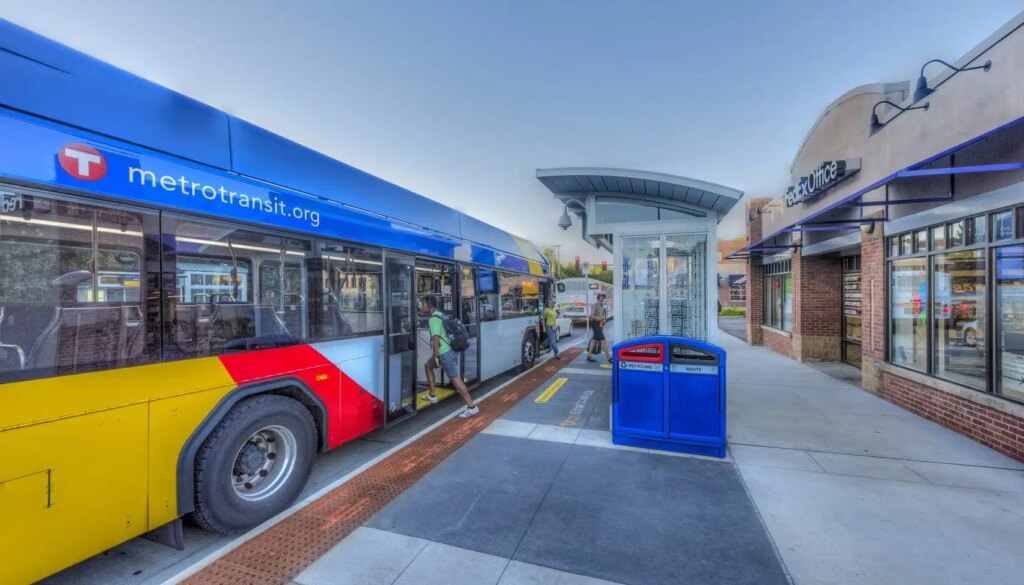
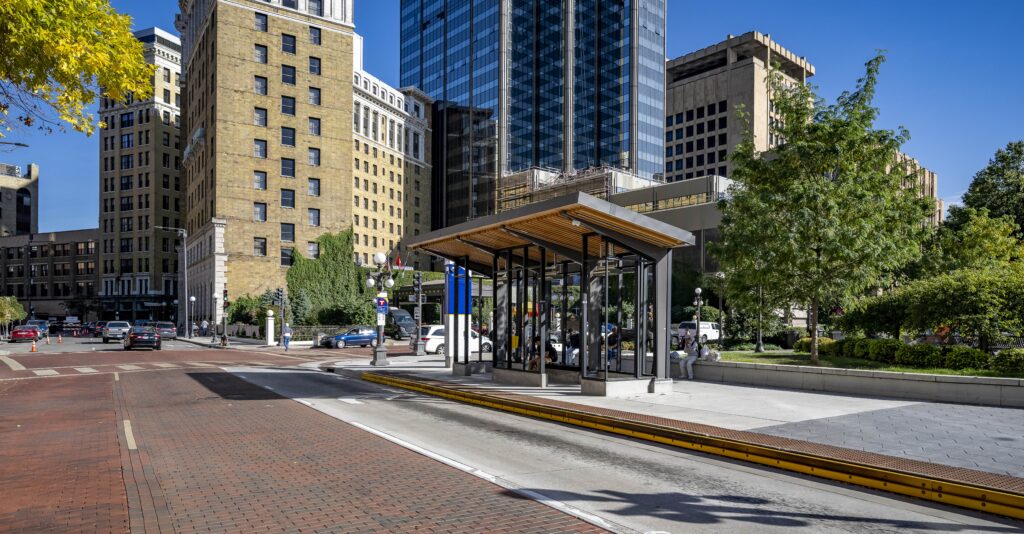
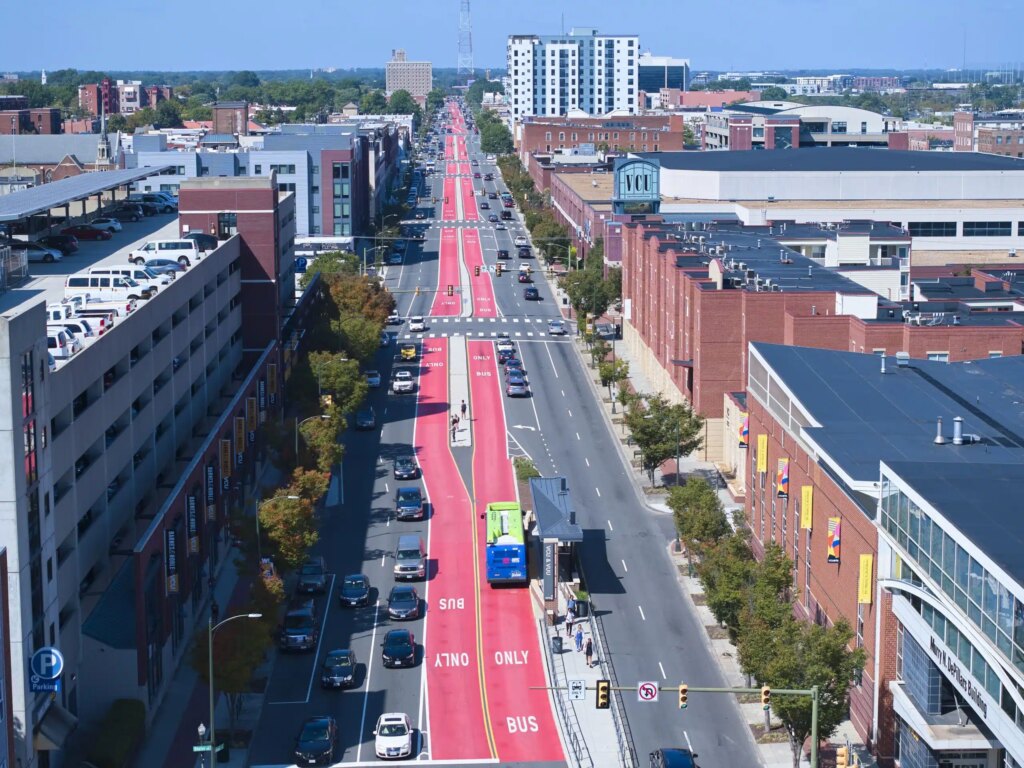
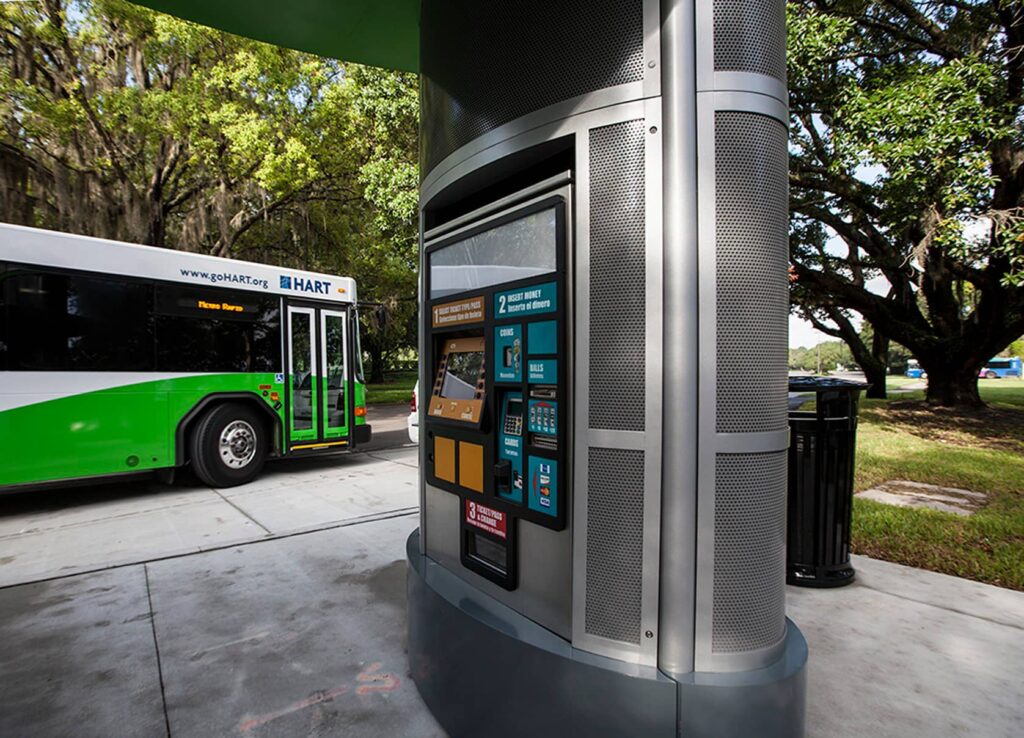
Crafted a plan that will offer faster service, increased reliability, and bus station amenities—such as level boarding platforms and real-time arrival information—that will enhance rider experiences, accessibility, and security

Enhanced Accessibility
Designed a transit service that will connect Oklahoma City residents to major regional employers, healthcare facilities, social service centers, higher education facilities, small businesses, and more

Community-Tailored Approach
Conducted extensive public outreach to select a Locally Preferred Alternative (LPA) that aligned with the community transit needs in the Northeast and South corridors of Oklahoma City
When leaders at City of Oklahoma City launched their ambitious MAPS 4 initiative, they set out to do more than build a transit line: they aimed to expand opportunities, improve mobility, and connect communities across the city. The result will be a transformative Bus Rapid Transit (BRT) corridor that will serve thousands of residents while strengthening connections to jobs, healthcare, education, and cultural destinations.
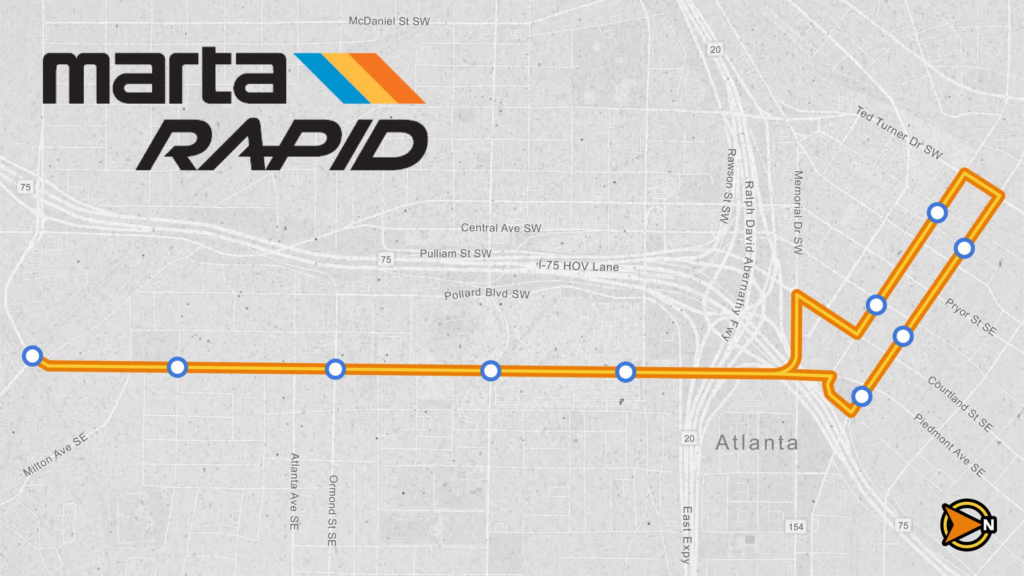
Spanning approximately 17 miles with 26 station pairs, the corridor will link northeast and south Oklahoma City, connecting neighborhoods to major destinations. Once operational, the system is projected to serve an estimated 2,700 daily riders and connect residents to nearly 50,000 jobs across the region.


Built by the Community, for the Community
To help bring this community vision to life, Kimley-Horn partnered with the City to lead the alternatives analysis process. Using demand modeling to understand who is likely to use transit, our team analyzed land use data, existing transit ridership, and anticipated growth (including planned transit and development projects) to evaluate potential corridors and station locations.
Through three rounds of outreach events, pop-ups, surveys, and meetings that soliticed feedback from the general public, specific neighborhoods, agency partners, community-based organizations, Oklahoma City executive leadership, and Oklahoma City departments, residents helped shape the final route and station locations. Their feedback ensured the system reflects the places that matter most—from culturally signifcant destinations to essential services.
That collaborative process resulted in a Locally Preferred Alternative BRT designed to improve reliability, accessibility, and rider experience. Planned stations will feature amenities such as level boarding platforms and real-time arrival information, making transit easier and more convenient for everyone from daily commuters to first-time riders.
Supporting Oklahoma City’s Vision of Expanded Mobility
Today, the project is moving into environmental review and preliminary engineering, with service anticipated to begin in 2029. Beyond mobility, the BRT corridor represents a powerful investment in economic opportunity and fostering a better quality of life. By linking neighborhoods with regional employers, small businesses, healthcare facilities, and higher education campuses, the system will help residents reach the resources they need to thrive.
It will provide more reliable service to regional destinations—such as the Oklahoma City Zoo and Oklahoma City Innovation District—and better access to healthcare centers, educational facilities, and employment hubs, including the Adventure District, Metro Tech Campus, Ralph Ellison Library, and Automobile Alley.
As Oklahoma City continues to invest in its future, this community-driven BRT corridor sets a strong example of how transit projects can deliver lasting benefits, in addition to providing a scalable, high-quality mobility option that will help keep its communities connected in the years to come.