Coordinating Major Event Mobility for Soccer’s Biggest Stage
Take a behind-the-scenes look at how our teams in Atlanta, Seattle, and Dallas move millions who came to experience the soccer event of a lifetime by viewing the video below.

Moving People Safely and Efficiently

Preparing for Tournament-Scale Demand

Expanded Mobility Beyond Matches
As the world’s largest sporting event comes to North America in 2026, host cities have been preparing for unprecedented mobility demands across venues, transit systems, streets, and public spaces. With 48 teams, 104 matches, and millions of fans expected across 39 days of events, the tournament will test how cities move people safely and efficiently through complex urban environments.
Kimley-Horn is helping communities meet those infrastructure challenges. Supporting transportation and special event operations in six US host cities, our teams are bringing proven technical leadership in mobility and venue access planning, traffic management, transit coordination, and fan movement to the summer of soccer.


Coordinating Mobility Across Host Cities
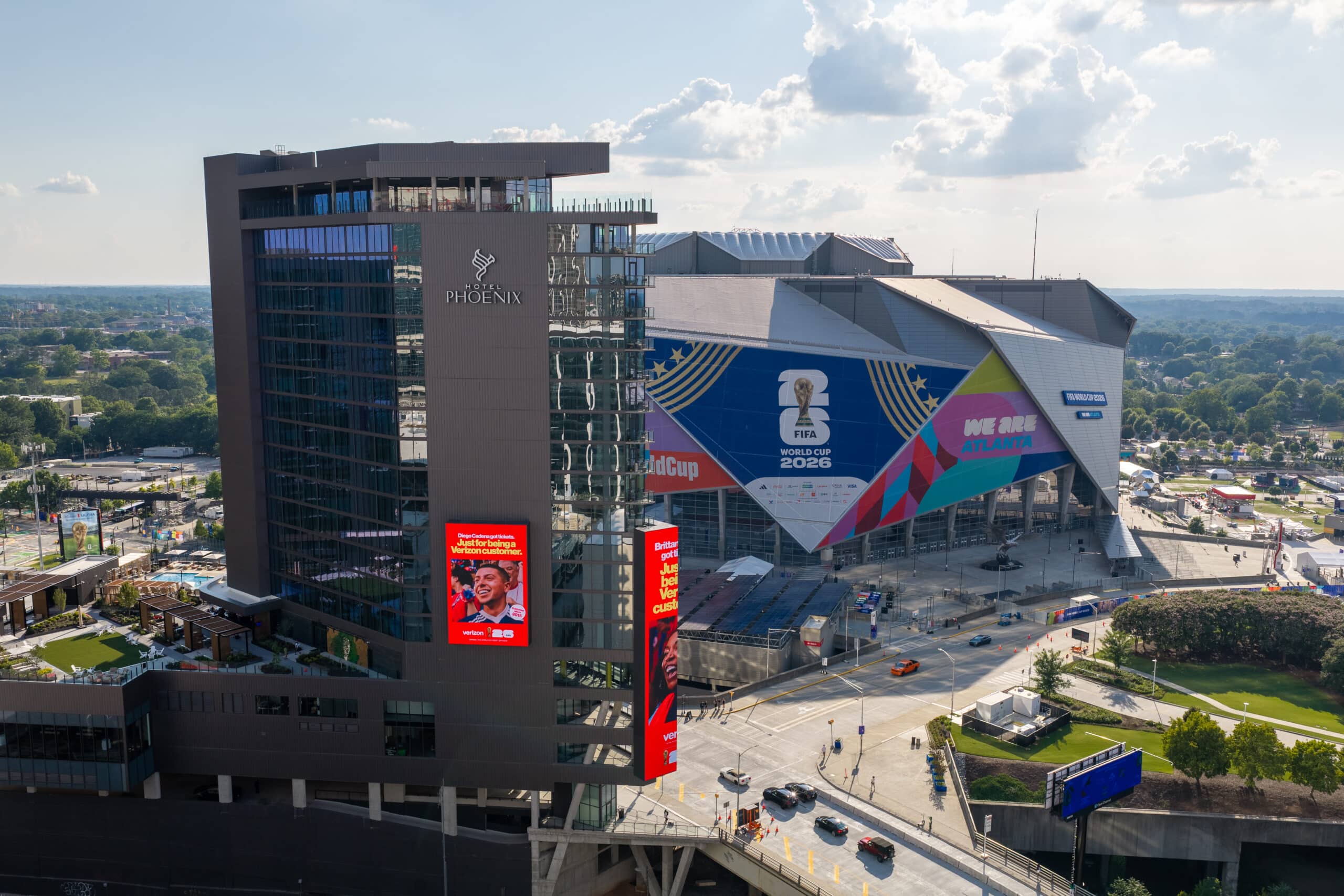
From June through July, the 23rd men’s international soccer tournament will span 16 venues across the US, Mexico, and Canada, and is expected to set a new attendance record with more than 5 million attendees. The global spectacle will also be watched by more than 6 billion people worldwide—the biggest international soccer competition in history.
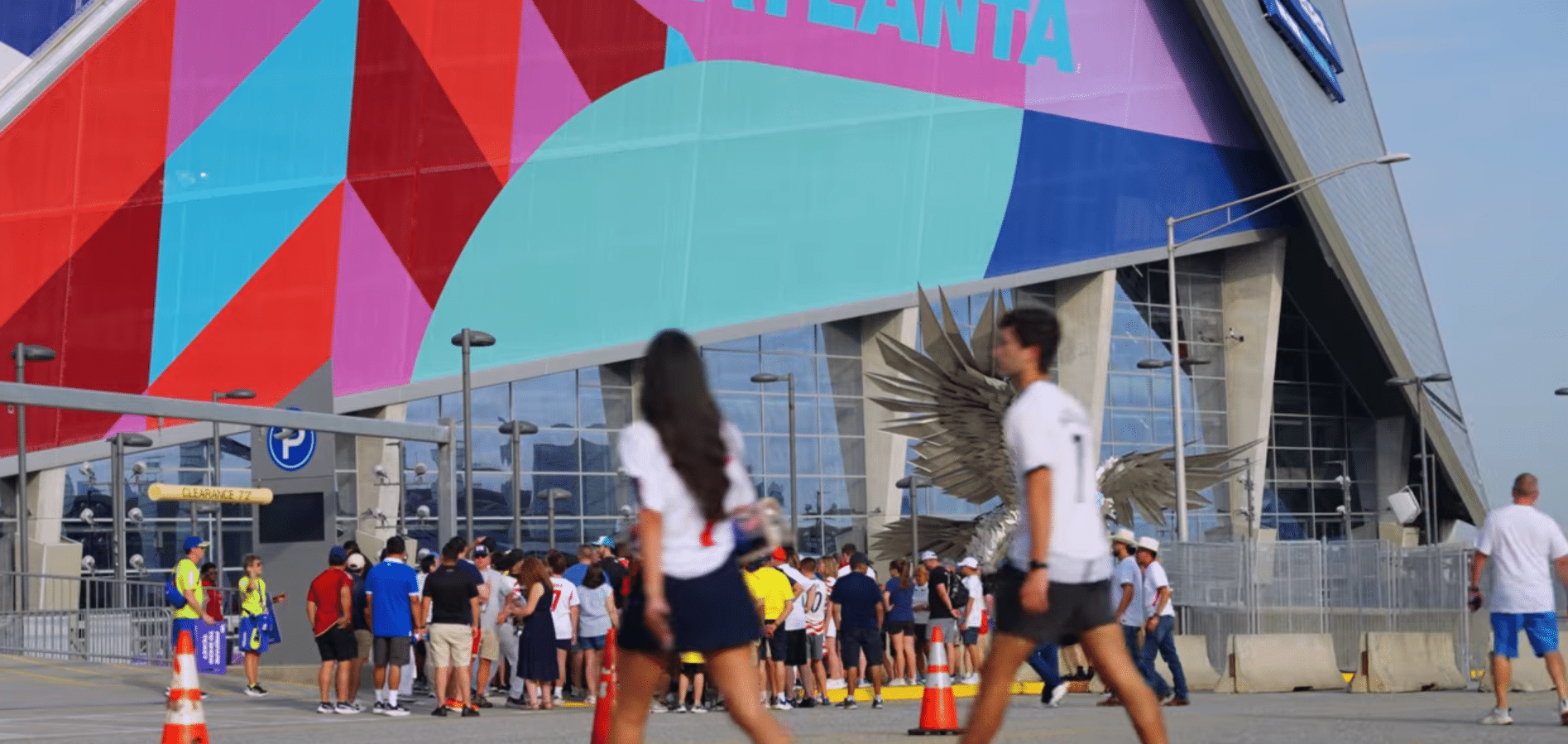
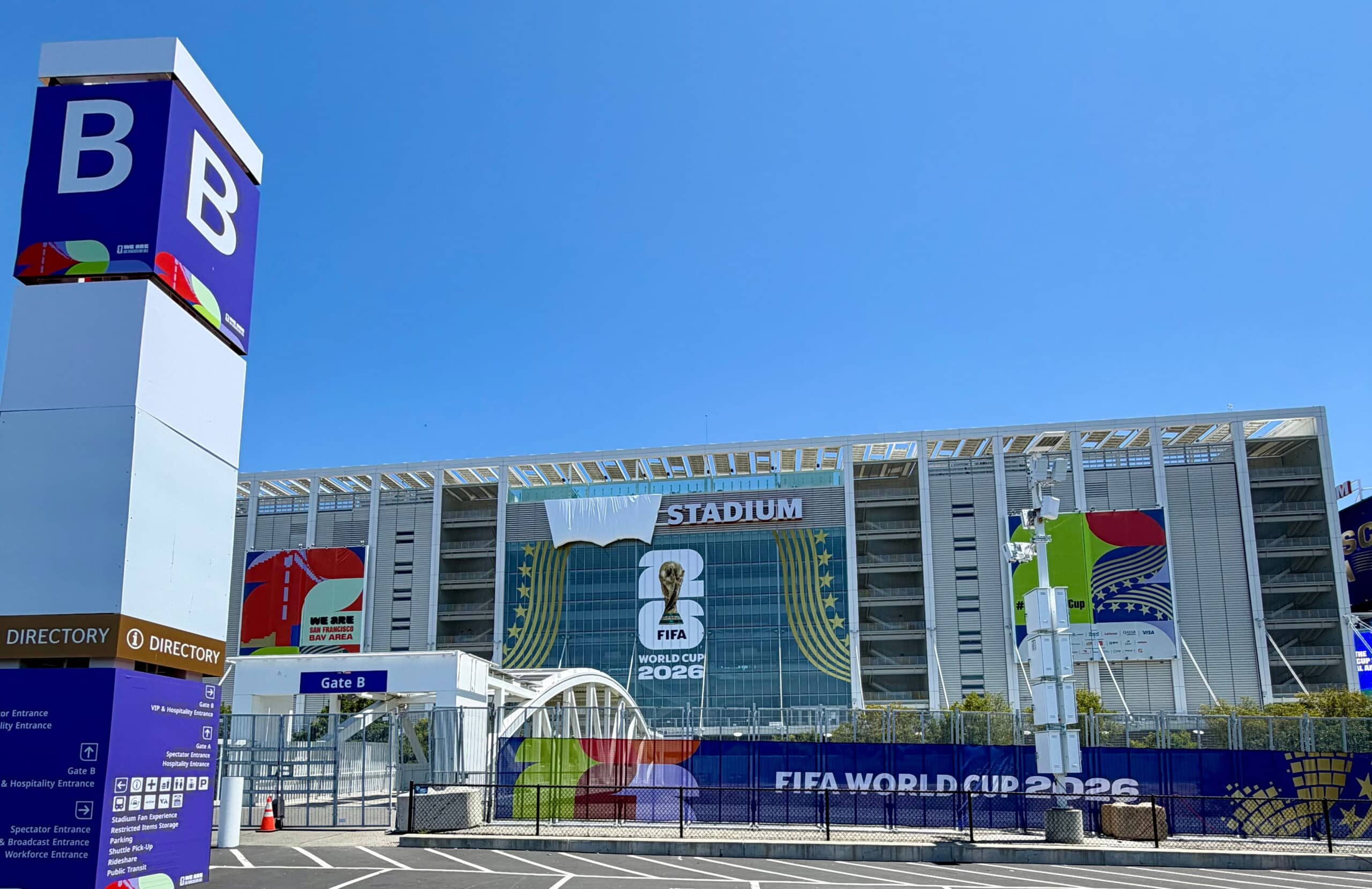
Kimley-Horn is coordinating special event and transportation planning where communities have prepared for a massive influx of pedestrians, vehicles, and public transit users. Working alongside transportation departments, transit agencies, public safety partners, and event organizers, our teams are delivering strategies that help communities operate efficiently during periods of peak activity. Key services include keeping:
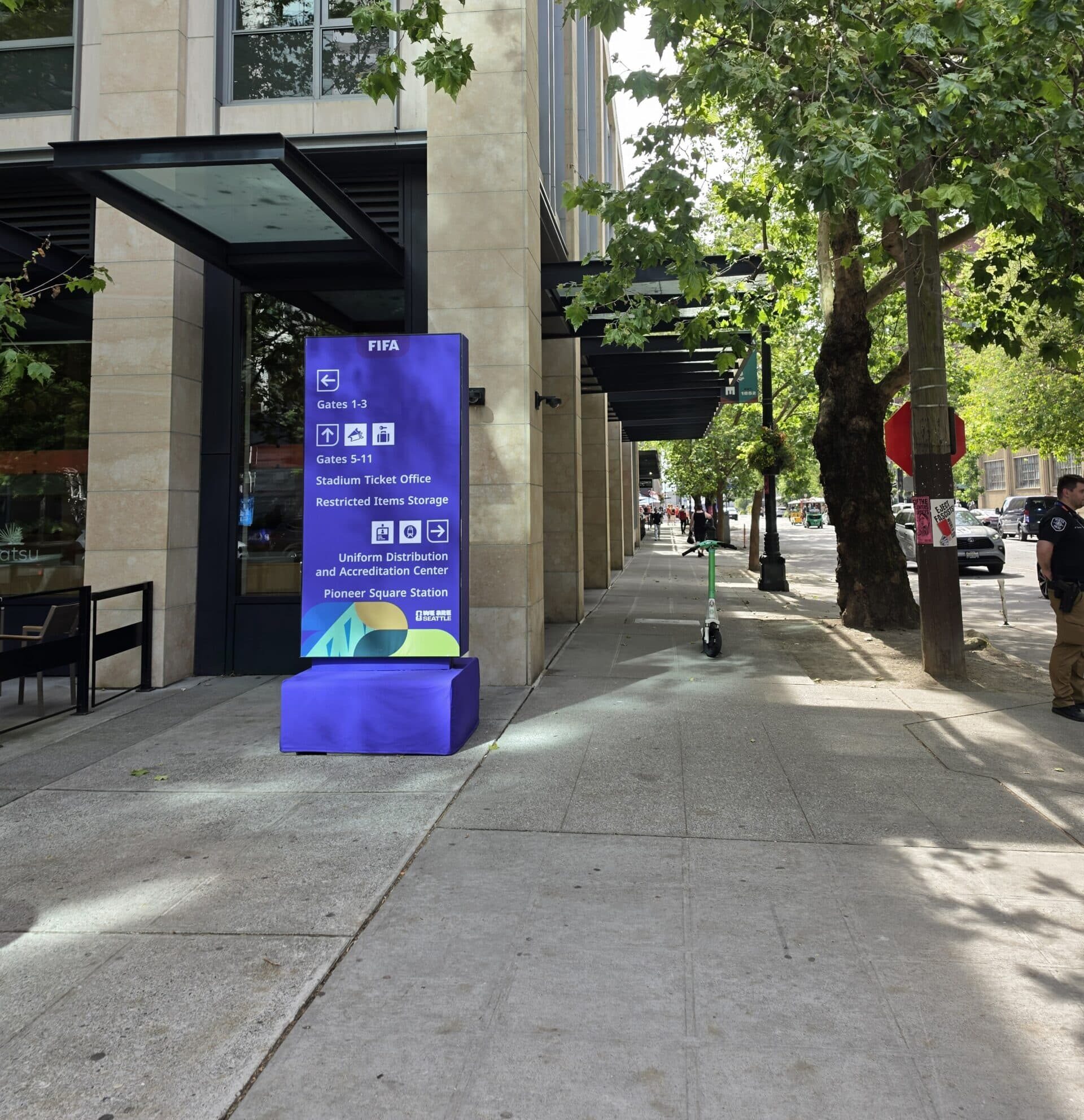
- People moving: mobility planning, crowd flow management, temporary wayfinding systems, pedestrian access planning, and travel route communications
- Transportation networks operating: intersection management, signal timing optimization, parking and curb management, and traffic management planning
- Agencies aligned: transit coordination, event operations playbooks, road closure and detour planning, and staffing and resource deployment strategies
In addition, Kimley-Horn developed fan march information sheets that communicated pedestrian routes, transit access, road closures, and event logistics to help move thousands of attendees safely and efficiently.
Extending Mobility Planning Beyond the Stadium
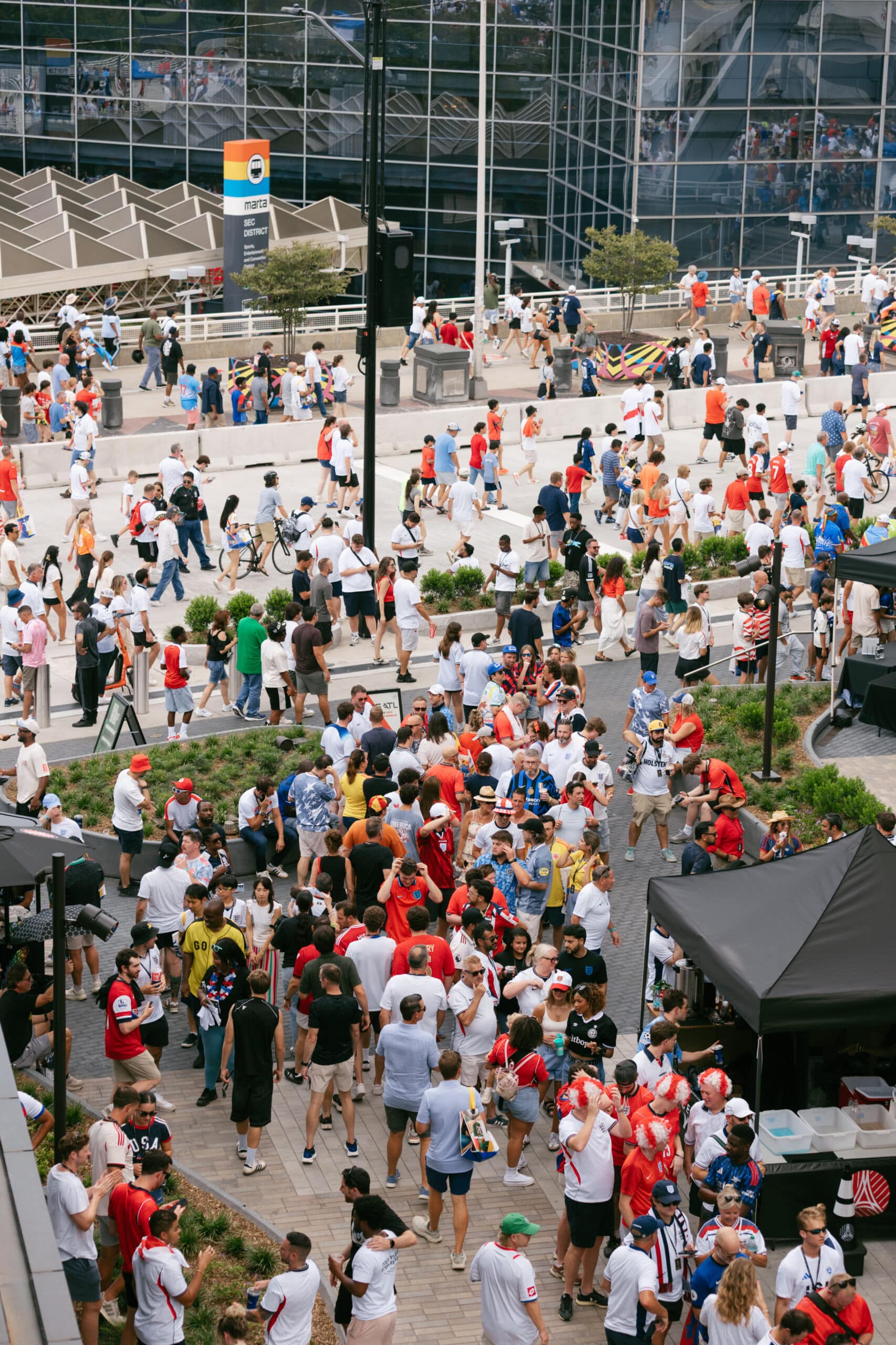
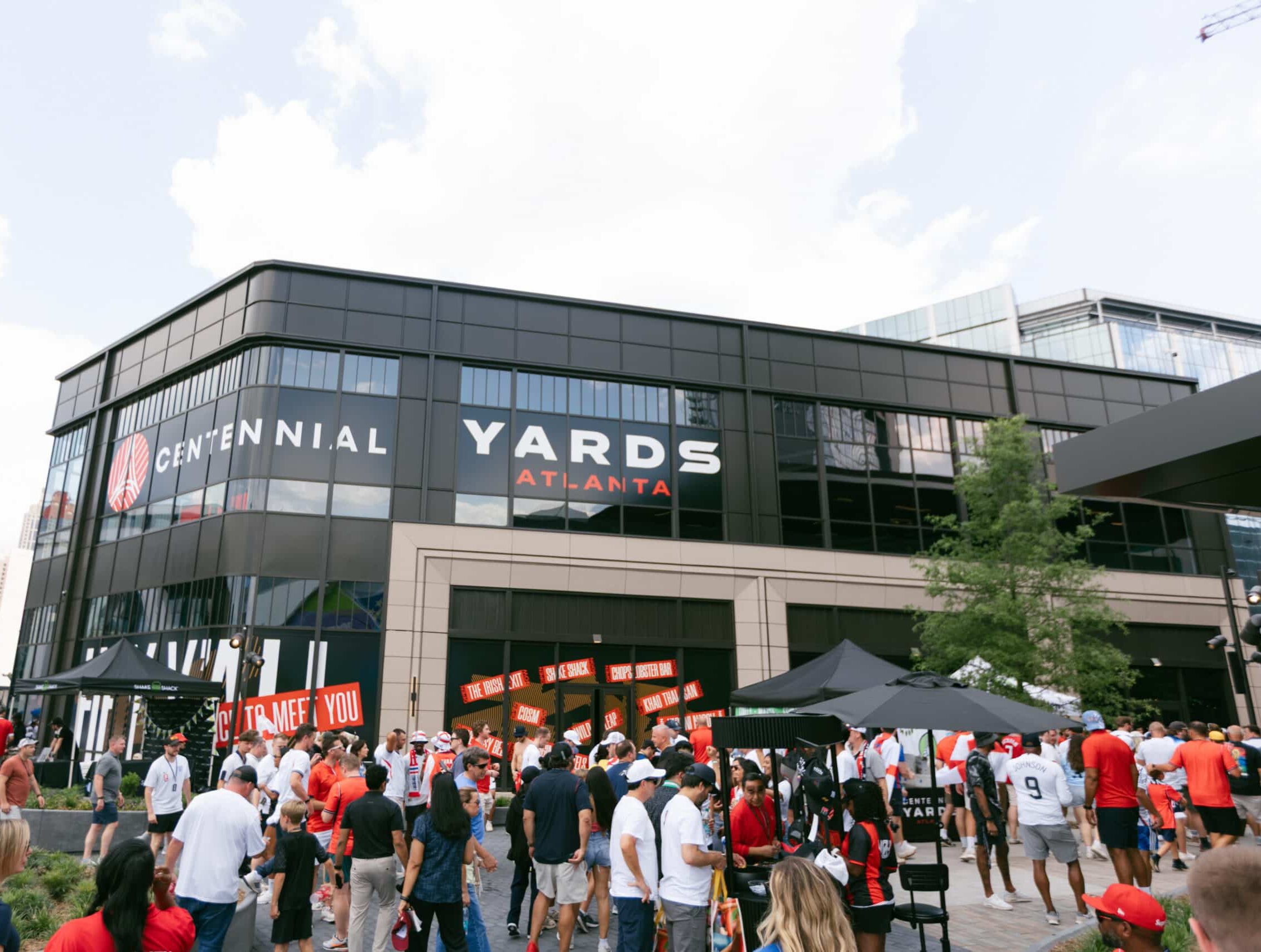
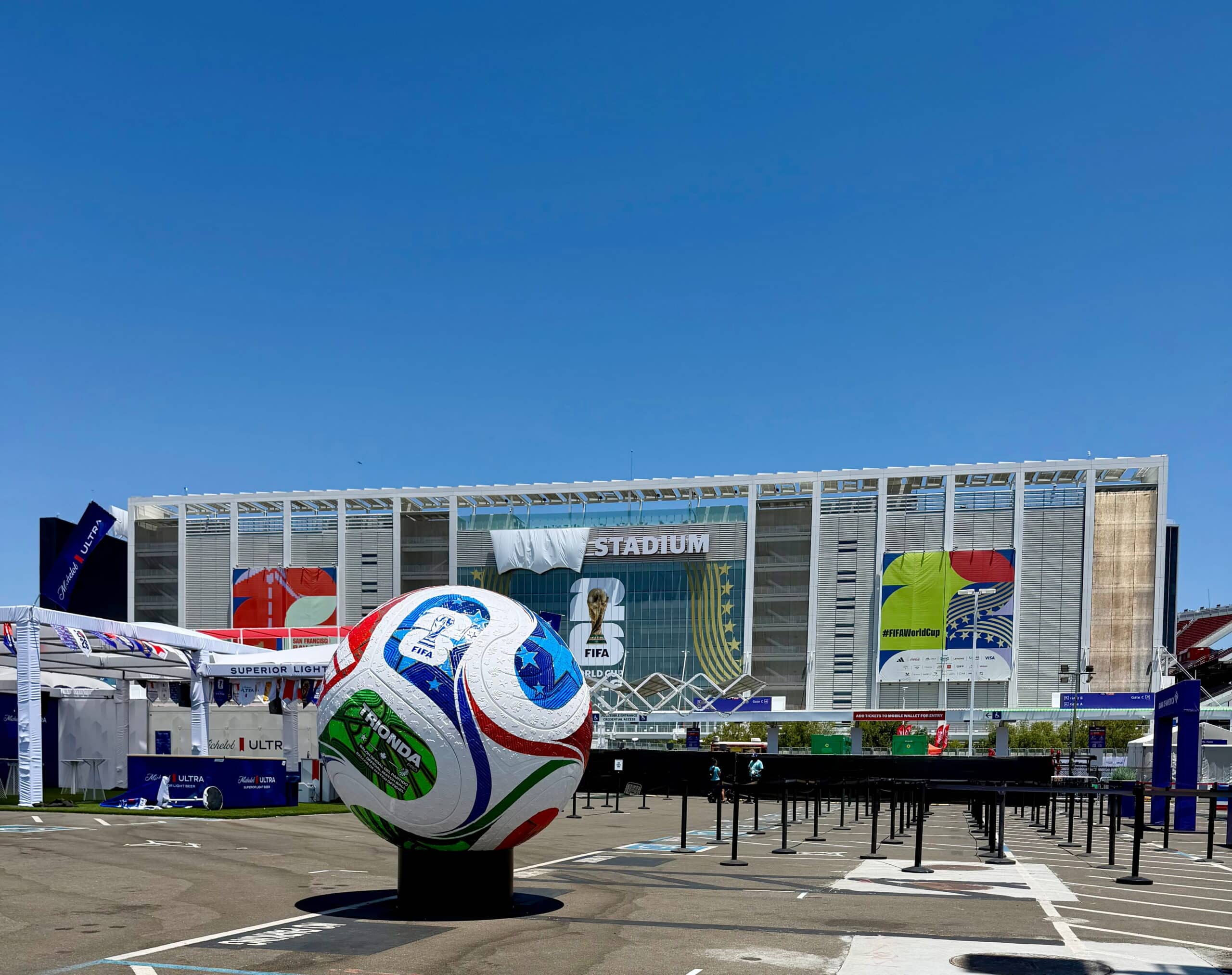
With more than 750,000 people expected in each city, transportation demands extend well beyond venue boundaries. To deliver an enjoyable experience for fans, teams, residents, and local businesses, Kimley-Horn is working alongside local communities to accommodate activity at transit hubs, entertainment districts, hotels, airports, and fan gathering areas. For fans without match tickets, host cities are creating gathering places to share in the tournament atmosphere. Kimley-Horn is supporting fan festival operations that help communities manage large gatherings outside primary match locations where thousands of fans can watch games, enjoy activities and vendors, and extend the energy beyond the stadium.
Building a Framework for Future Global Events
The transportation strategies being developed for this international soccer tournament will provide long-term value for host communities. The planning, coordination, and operational approaches used to support tournament-scale travel demand can serve as a framework for future sporting events, concerts, festivals, and other large-scale gatherings. As cities continue to attract major events, integrated mobility, operations, and event planning will be essential for moving large numbers of people safely and efficiently while maintaining transportation operations, supporting economic activity, and preserving the energy and excitement of a global sporting event.
Related Projects & Case Studies