What’s New for US Wetlands after the Continuous Surface Connection Clarification & Proposed Rule Updates?
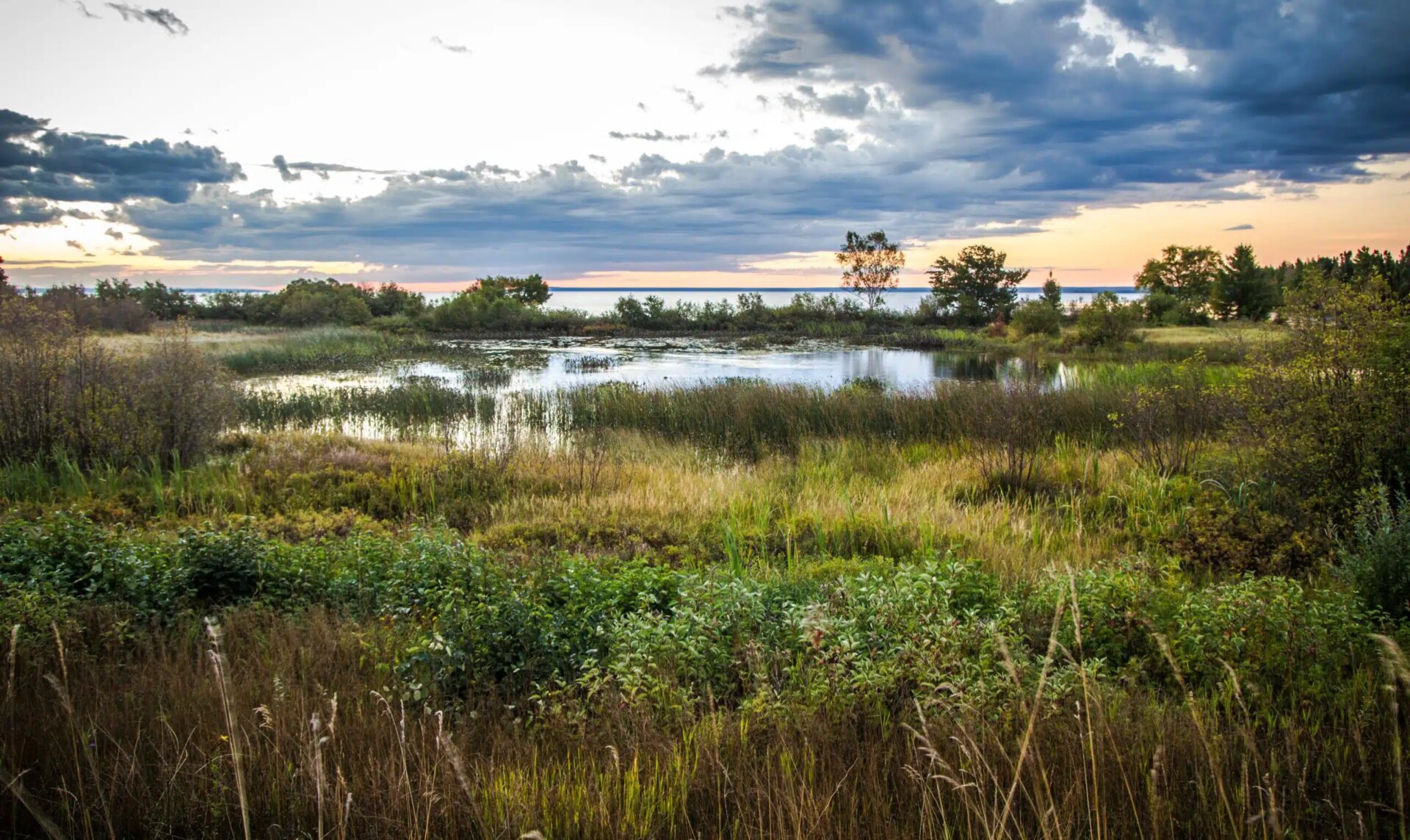
In March 2025, the United States Army Corps of Engineers (USACE) and the Environmental Protection Agency (EPA) issued clarification on the meaning of “continuous surface connection” following the 2023 Sackett v EPA ruling. Read more for a roundup of clarification from the USACE and EPA memorandum, and then check out updates about the Proposed Rule that, if passed, will codify the term “continuous surface connection.”
Recap: The Sackett v. EPA Decision
In 2023, the Sackett v. EPA ruling further clarified the meaning of “waters of the United States” (WOTUS) and identified criteria for wetlands, specifically to determine whether the Clean Water Act could be applied to them by regulating bodies. The Supreme Court determined that wetlands must have a direct, continuous surface connection to a jurisdictional body of water identified as WOTUS.
The decision also noted that wetlands not adjacent to jurisdictional waters or only occasionally connected to waters identified as WOTUS do not count for Clean Water Act regulation. For more specifics on this ruling and its implications, take a look at our perspective on this topic in What’s Next for US Wetlands after Sackett v. EPA?
What does Continuous Surface Connection mean?
A point of confusion after the Sackett v. EPA ruling has been the definition and application of “continuous surface connection”—or the needed connection between wetlands and a jurisdictional WOTUS body that is needed for Clean Water Act regulation to apply. The USACE and EPA memorandum provides more specific direction, noting that continuous surface connection means that a wetland must be physically adjoined to a jurisdictional body of water. This joining of wetlands and WOTUS also must be sustained over time—and occasional, remote, or separated connections do not count.
This means that wetlands that are cut off from WOTUS bodies by uplands, berms, dikes, or other barriers are not covered under Clean Water Act jurisdiction. Additionally, the 2025 memorandum rescinded the Sackett v. EPA ruling’s identification of discrete features—including indirect connections like ditches or pipes—to constitute a jurisdictional wetland under continuous surface connection definitions.
2026 Updates: What’s Next for Wetland Permitting & Clean Water Act Compliance
On November 17, 2025, the EPA and USACE published a Proposed Rule to revise the Amended 2023 Rule and the regulations that define WOTUS in light of the US Supreme Court Decision in Sackett v. EPA. The Proposed Rule will revise several previous exclusions for waste treatment, converted cropland, and ditches, add an exclusion for groundwater, and codify the definition of “continuous surface connection,” among other changes. The Proposed Rule closed for public comment and is being reviewed by regulatory agencies, who determine if the rule should be published as issued, modified, or withdrawn.
While environmental field experts and developers wait for a decision on the Proposed Rule, they can consider the following moving forward:
- Allow time during projects for appropriate agencies to review the continuous surface connection between wetlands and WOTUS bodies—particularly in cases where temporary conditions like drought may obstruct the typical connection.
- Re-evaluate wetland permitting requirements and expect that USACE and EPA field partners will align with the continuous surface connection guidance.
- Know that no changes are needed right now to state or regional wetland regulations—this guidance only applies to federal regulations under the Clean Water Act.
As developers and agencies navigate the changing waters of federal regulations, Kimley-Horn is an experienced and knowledgeable partner to help support your environmental endeavors—from wetlands consulting to permitting, cultural resources management, and beyond.

Related Insights