Kimley-Horn Conducts First Nationwide Survey of Its Kind in 15 Years
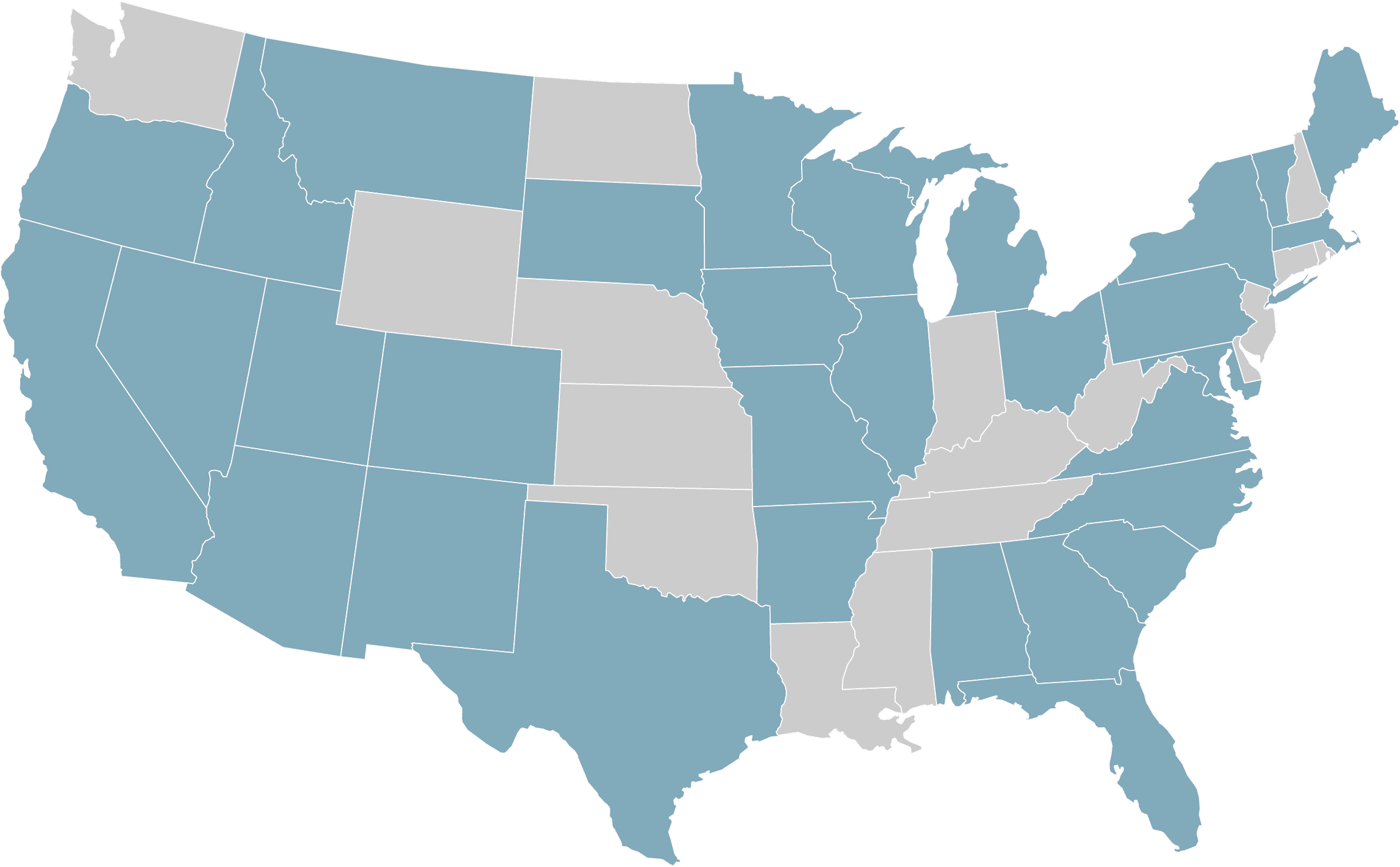
In July, Kimley-Horn conducted a survey asking first responders for feedback on the safety of roundabouts. Though planners and engineers often consider the effects of their work on first responders, this was the first nationwide survey since 2005 to ask police and firefighters for direct feedback about roundabouts. We reached out via email and social media and received 323 responses, representing 32 U.S. states and one Canadian province (Ontario).
Figure 1. Survey responses came from first responders in 32 states and one Canadian province (Ontario).
Roundabouts Provide Safer, Less Congested Intersections
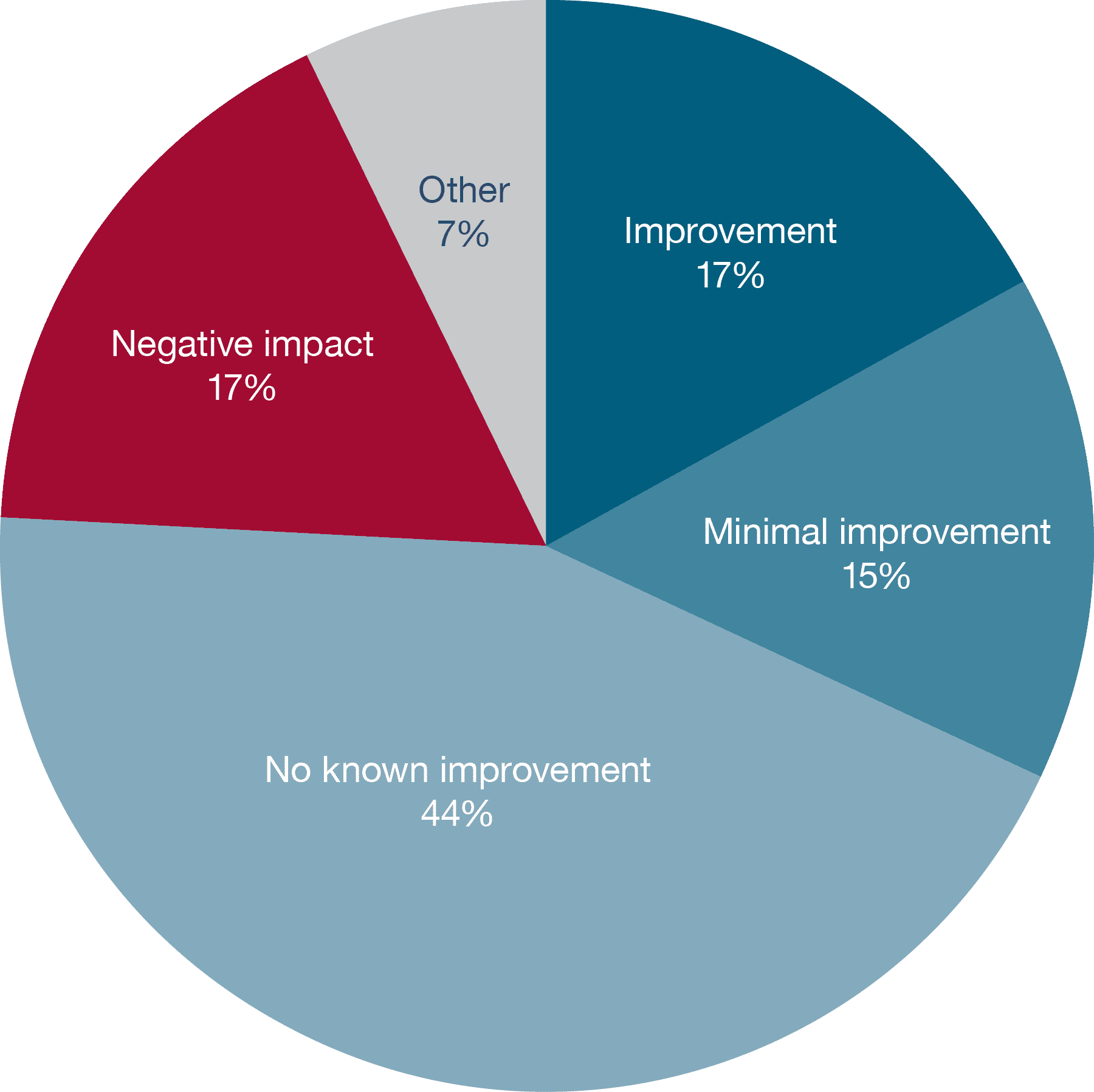
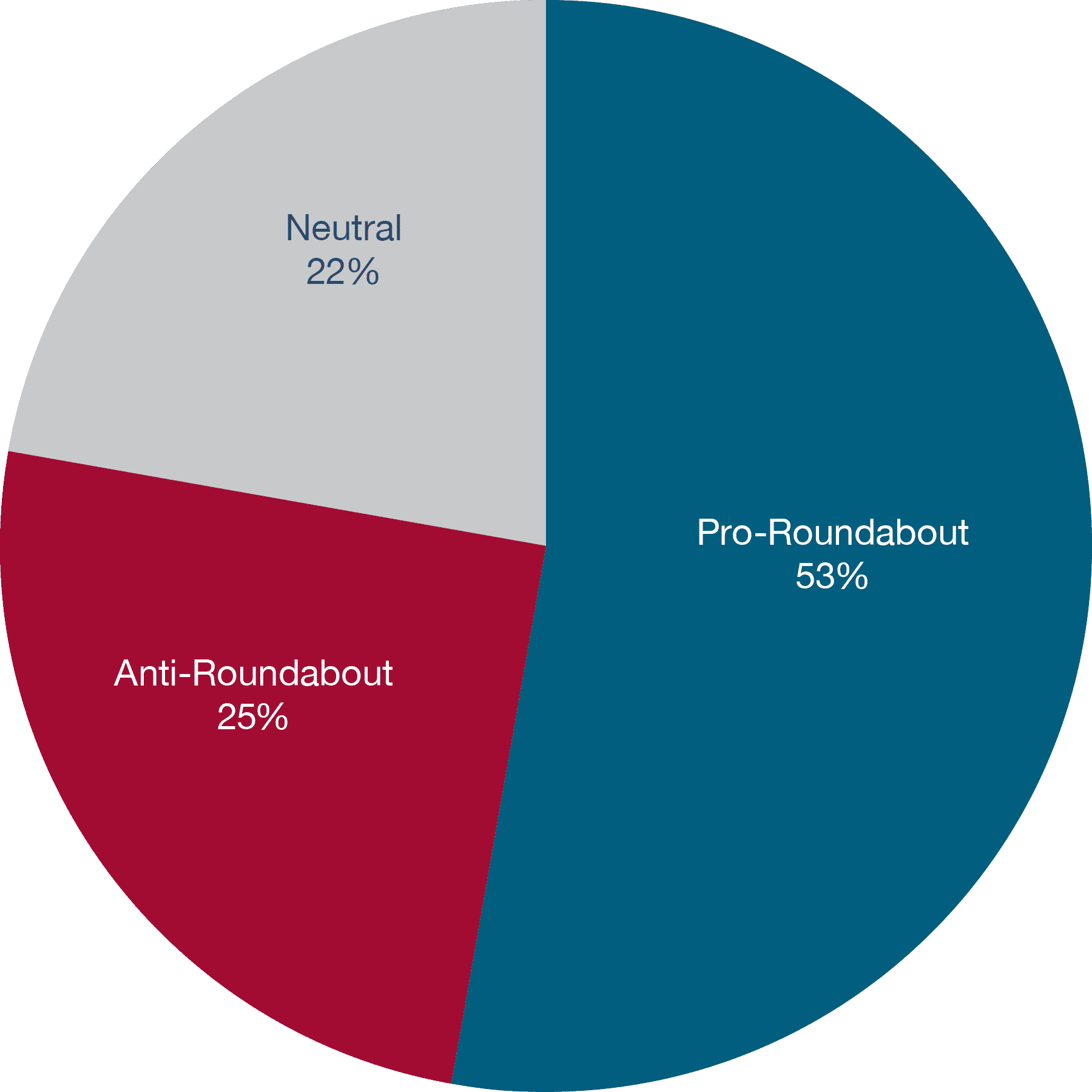
Two-thirds of first responders noted that roundabouts made intersections safer, with less congestion and fewer collisions. In departments that reached a consensus about roundabouts, a majority (68%) found roundabouts to be beneficial to the community. When asked about whether roundabouts on the route impacted the department’s ability to respond to dispatch calls, most saw no change or some improvement.
Figure 2. From your perspective, has there been any impact on the police or fire department’s ability to respond to a dispatch call due to the roundabouts in your jurisdiction?
Figure 3. Respondents’ perspectives on roundabouts.
Respondents provided 116 testimonials on roundabouts, which were mostly positive. A sample of testimonials from our survey are provided below:
Our survey findings are also anticipated to be presented at a near-future ITE conference, helping planners and engineers create roundabouts that help first responders work more efficiently and make their communities safer.
Hear from Kimley-Horn Roundabout expert, Jay VonAhsen, on how police, firefighters, and EMTs view roundabouts in their jurisdiction, including the effect of roundabouts on response time and perceived safety.
Jay has more than 17 years of varied roadway design experience, having been a part of the planning, design, construction, and site audit process for hundreds of intersection improvement projects throughout the U.S. Jay is actively involved in the American Public Works Association (APWA) and the Institute of Transportation Engineers (ITE). With an emphasis on transportation safety, Jay helps agencies author and publish innovative intersection implementation plans and policies by using a research-minded and evidence-based approach.