From Vision to Reality: Engaged Planning Strategies for Transit-Oriented Communities (TOCs)
Community engagement is the cornerstone for successfully implementing transit-oriented communities (TOCs)—places surrounding high-frequency public transportation where land use, mobility, and public realm investments work together to make daily life easier, safer, more affordable, and more connected. But the most effective engagement does more than collect feedback: it turns community priorities into decisions that can be designed, permitted, funded, and delivered.
At Kimley-Horn, we approach TOC planning as a holistic process—planning transportation investments and land use in parallel so each informs the other. That’s especially important in the earliest stages, when communities are still shaping the corridor’s vision, evaluating alignment options, and identifying potential station locations. In the first part of this series exploring strategies to shape TOCs that reflect your community’s needs and aspirations, read on to hear more from transit planning experts Peter Costa, Matt Horton, and Jessica Rossi as they delve into approaches to help you harness public engagement.
The Kimley-Horn Approach: Practical Implementation
Anchored by high quality spaces and placemaking, TOCs encompass the broader outcomes of transit-oriented development (TOD) projects, prioritizing quality of life, economic feasibility, access to daily amenities, and integration with the area’s local culture. The foundation of effective TOC planning is understanding and articulating community-specific goals in combination with conscientious efforts to engage developers and other key public stakeholders. This process must be grassroots-driven, beginning with early and meaningful engagement with community-based organizations (CBOs), grassroots advocates, residents, developer focus groups, and civic representatives of the respective community or municipality.
The most successful TOCs reflect the community’s vision and goals—from planning through construction—while also recognizing that true success depends on local jurisdictions and developers working together to understand the financial proforma and strike a balance between community priorities and economic feasibility. This collaboration ensures that both public interests and development realities are addressed, paving the way for TOCs that are both visionary and practical.
Because TOCs span planning, engineering, development, and operations, engagement works best when it’s structured to produce clear, cross-discipline outputs. A simple way to keep momentum, especially when alignments and station locations are still being discussed, is to move through these steps:
- Understanding community members are the experts: Those living, working, and experiencing the neighborhood are the experts in the room—providing opportunities to engage and absorb their lived experiences is foundational.
- Listen with intention: Identify priorities and non-negotiables (safety, access, housing, small business stability, parking/curb needs).
- Test with visuals: Use scenarios to compare tradeoffs and show what changes could look like on the ground.
- Align with feasibility: Bring land use, station access, and corridor operations together so zoning, financing, and development concepts match what the transportation system can support.
- Deliver with a roadmap: Separate near-term actions from longer-term capital projects and connect them to funding and delivery pathways. Translate the vision into implementable plans, policies, and project packages that communities can adopt and advance.
Engaging the Community: Strategies and Structures
Early, personalized conversations within a community are vital for identifying priorities, typically economic mobility, small business support, affordable housing, and safety, as well as concerns about gentrification, displacement, and parking. To foster trust and collaboration, engagement strategies need to meet residents “where they are,” especially to reach populations who are most vulnerable to change and most reliant on transit. Community outreach might include:
- In-person surveys and meetings
- Pop-up events
- Partnerships with trusted local organizations
- Developer roundtables
- Online surveys and feedback through community engagement platforms such as Kimley-Horn’s PublicCoordinate
- Visualization tools like Sentio VR
- Interactive maps like ArcGIS StoryMaps
In some corridors, Kimley-Horn teams enlist community members through stipends or gift cards to recognize the value of their time and experiences. For example, during TOC engagement tied to Wake BRT: Western Corridor and Charlotte Area Transit System’s Silver Line, incentivized participation broadened who showed up, reduced drop-off over time, and generated more actionable, on-the-ground input.
These engagement tools are most effective when they’re used to answer real implementation questions early: Where could stations work best? How might corridor access, walkability, and safety change? What development patterns fit community character—and what infrastructure and policy steps would be needed to support them? In particular, digital tools allow residents to see and interact with proposed changes in their area and help them understand options and tradeoffs in a tangible way.
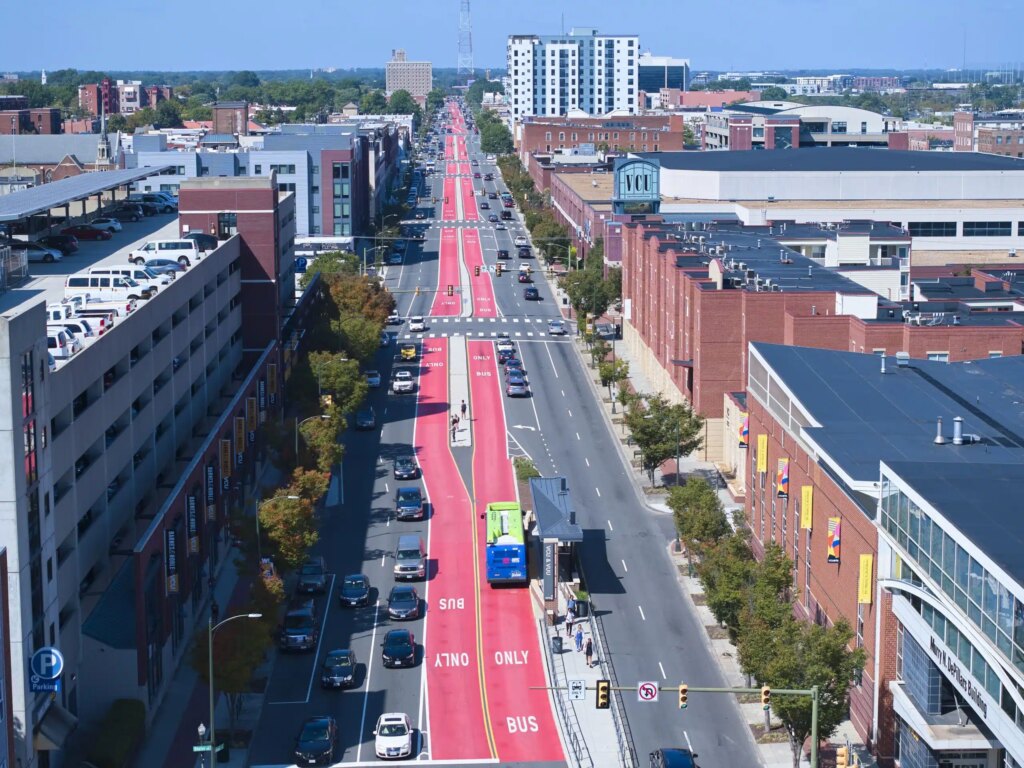
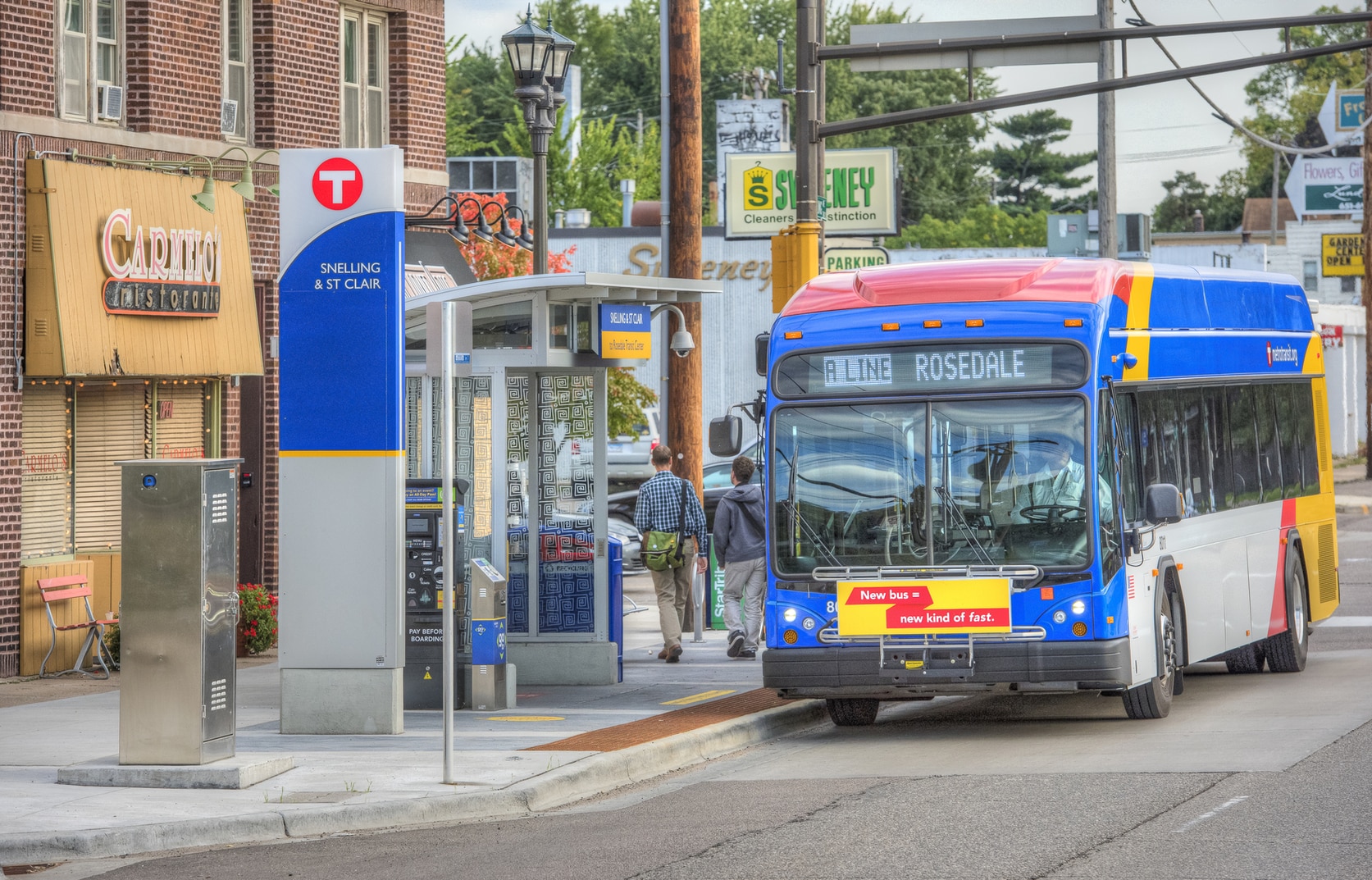
PublicCoordinate, for instance, enables map-based comments by location, real-time dashboards, and transparent feedback loops, as seen in Kimley-Horn’s transit planning for Metro Transit in Minneapolis and gathering feedback that shaped Metro’s new bus network in DC. In addition, for a mobility hub planning effort, Kimley-Horn teams used 3D renderings to help residents visualize station access and pedestrian space, resulting in more specific, location-based feedback.
Building Communities for a Better Tomorrow
Laying the groundwork for an effective transit experience requires sustained engagement with a wide variety of stakeholders and tailoring strategies to each community’s unique context. Whether in-person or online, these development and community planning tools and strategies create a feedback loop that ties community priorities to implementable policy, helping ensure that neighborhood evolution occurs gradually and with shared benefit.
By leveraging the right tools and setting realistic expectations, communities can create vibrant and enduring transit-oriented neighborhoods that provide lasting value. For more practical pathways, stay tuned for a Kimley-Horn series on further ways to implement transit-oriented communities.
Related News & Insights