Closing Gaps and Connecting Communities
Throughout his journey, among the many projects Clay passed on his runs, a few stood out as reminders of how infrastructure shapes a community in different ways.
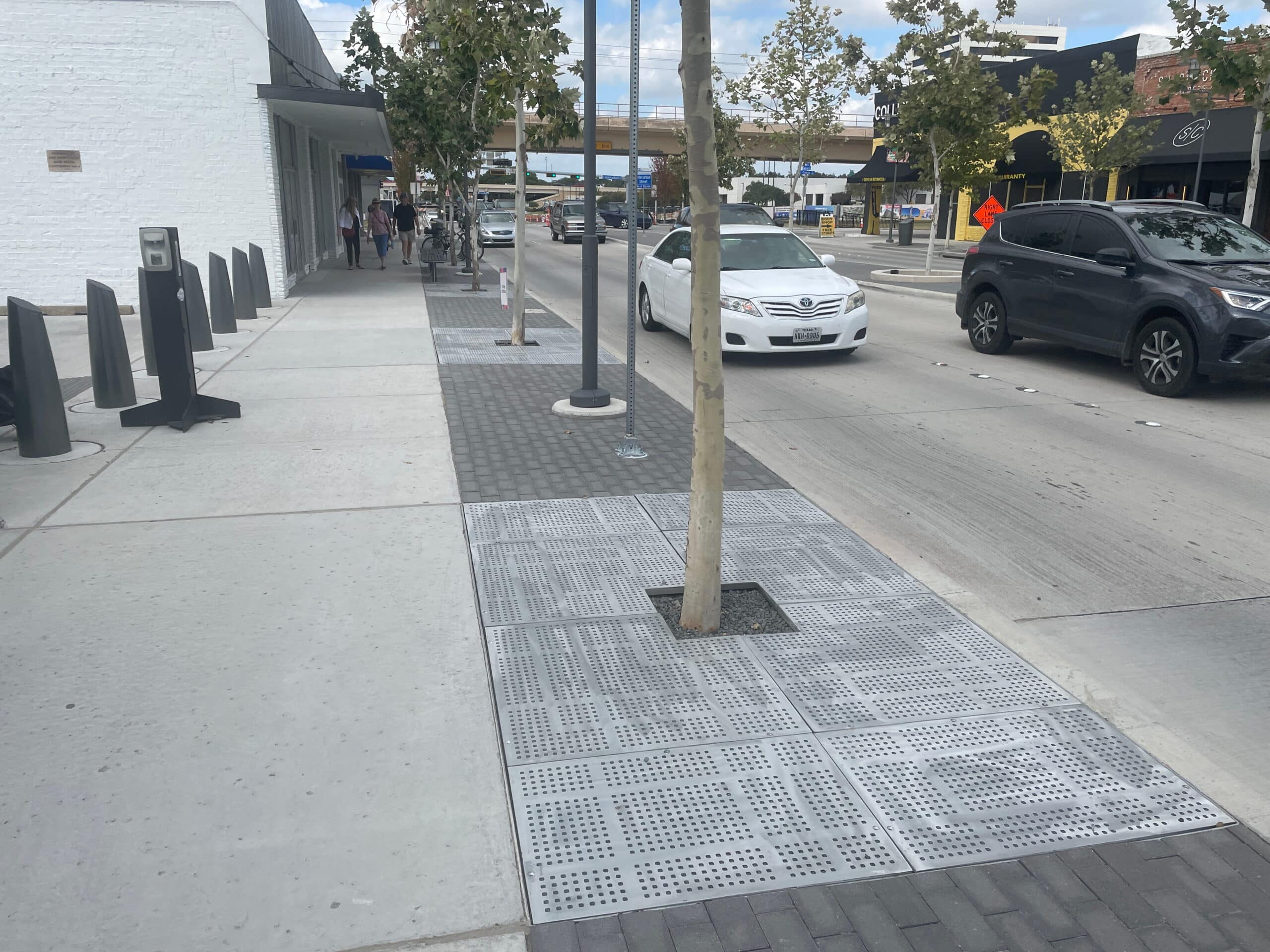
Some projects, like the reconstruction of Richardson’s Main Street, transform a place. Kimley-Horn provided complete design services to reconstruct roughly a mile of Main Street and Greenville Avenue, and Clay himself even played a role in turning the city’s oldest roadway into a walkable downtown destination. As his journey went on, Clay continued to see firsthand how important it is to connect the places in between.
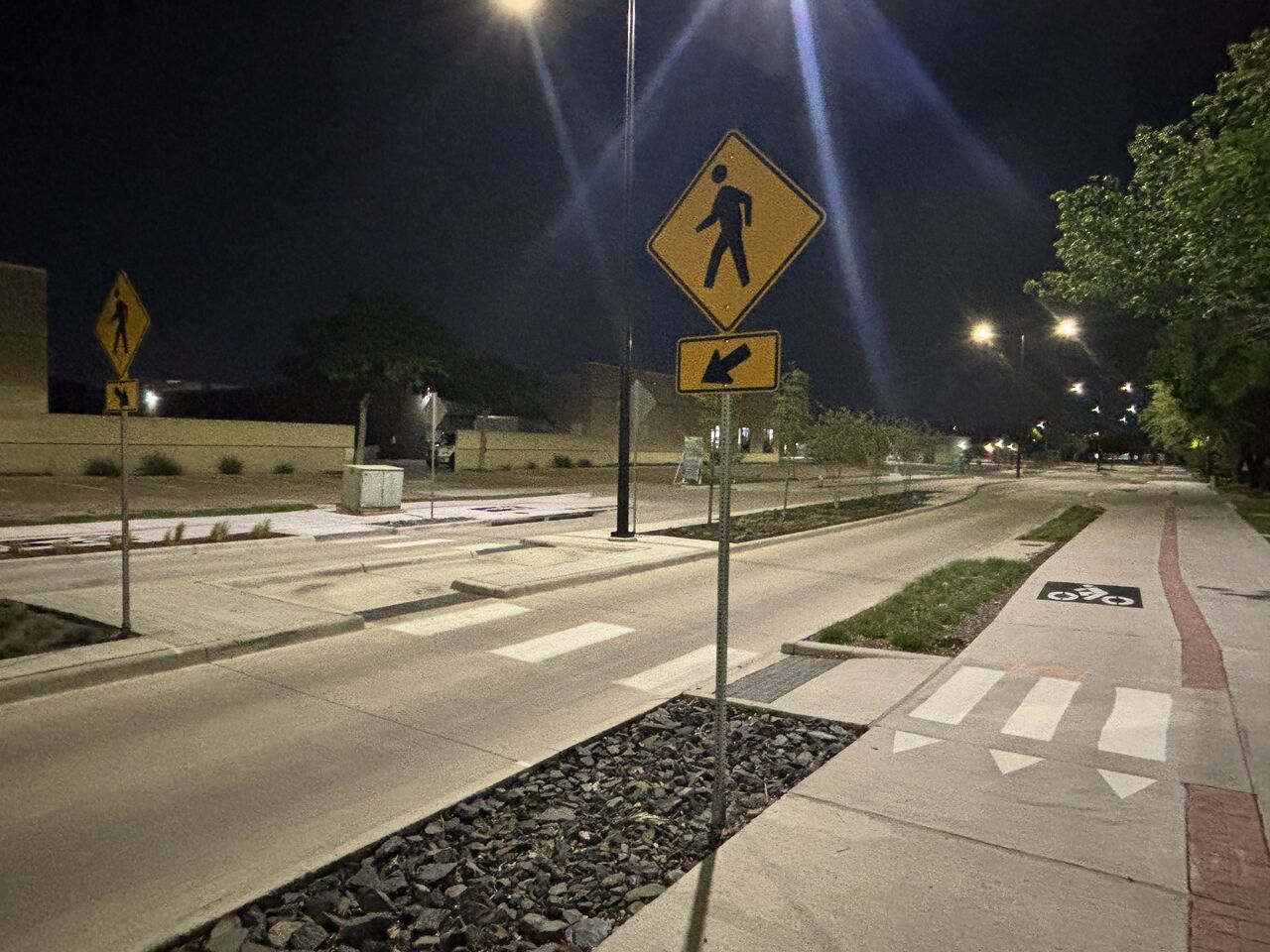
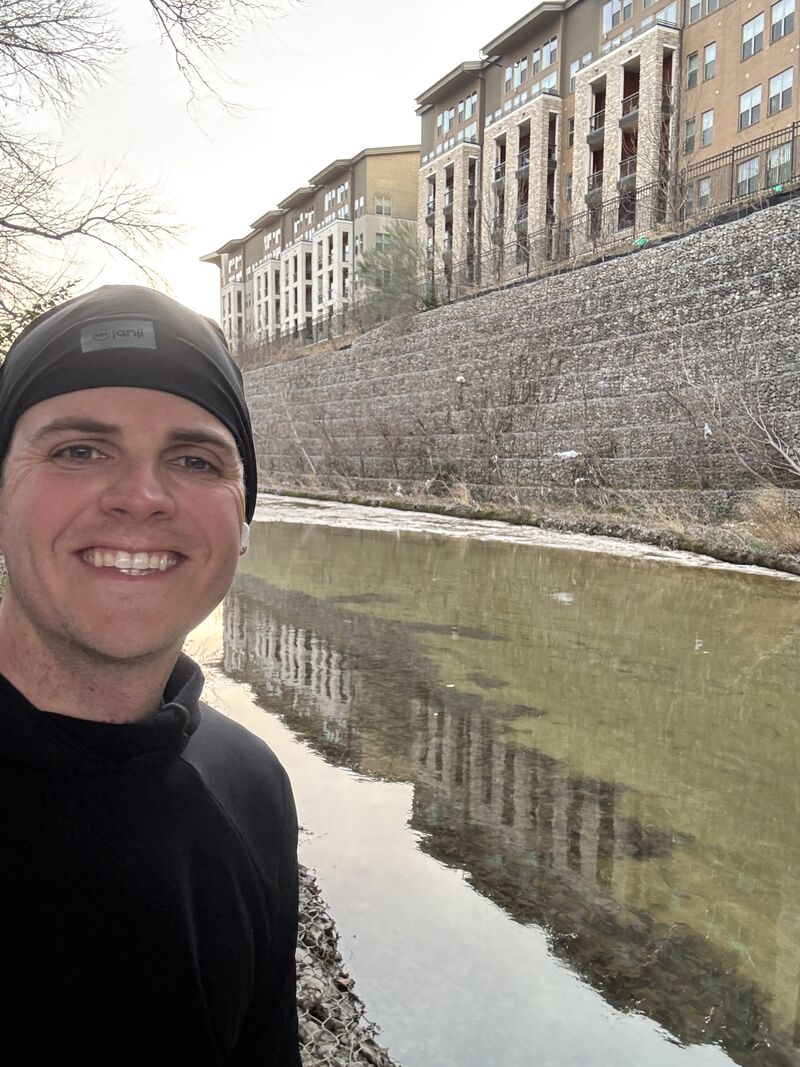
The Cotton Belt Trail, a major regional pedestrian and bicycle trail, runs along the Dallas Area Rapid Transit (DART) Silver Line corridor through Richardson. When the Silver Line opened in late 2025, it marked a major milestone for regional transit connectivity. As Clay ran along the corridor, he noticed places where access between neighborhoods, trails, and stations was limited. From behind a windshield, those gaps were easy to overlook, but from the pavement, they were impossible to ignore.
To address gaps like these, cities along the corridor, including Richardson, partnered with DART and the North Central Texas Council of Governments (NCTCOG) to design and build an alternate trail alignment branching off the rail corridor and tying back into the surrounding community to create a future marked by accessible connectivity. The project is now in Phase 2, adding additional trail connectivity to improve accessibility. Kimley-Horn is helping bring it to life, contributing structural wall design and trail design for the city.
Why He Runs
Running was always part of Clay’s life, but after becoming a father, it took on a new purpose. Over time, running became what helped keep Clay grounded, both physically and mentally, while providing him with a way to stay active while being present for his family.
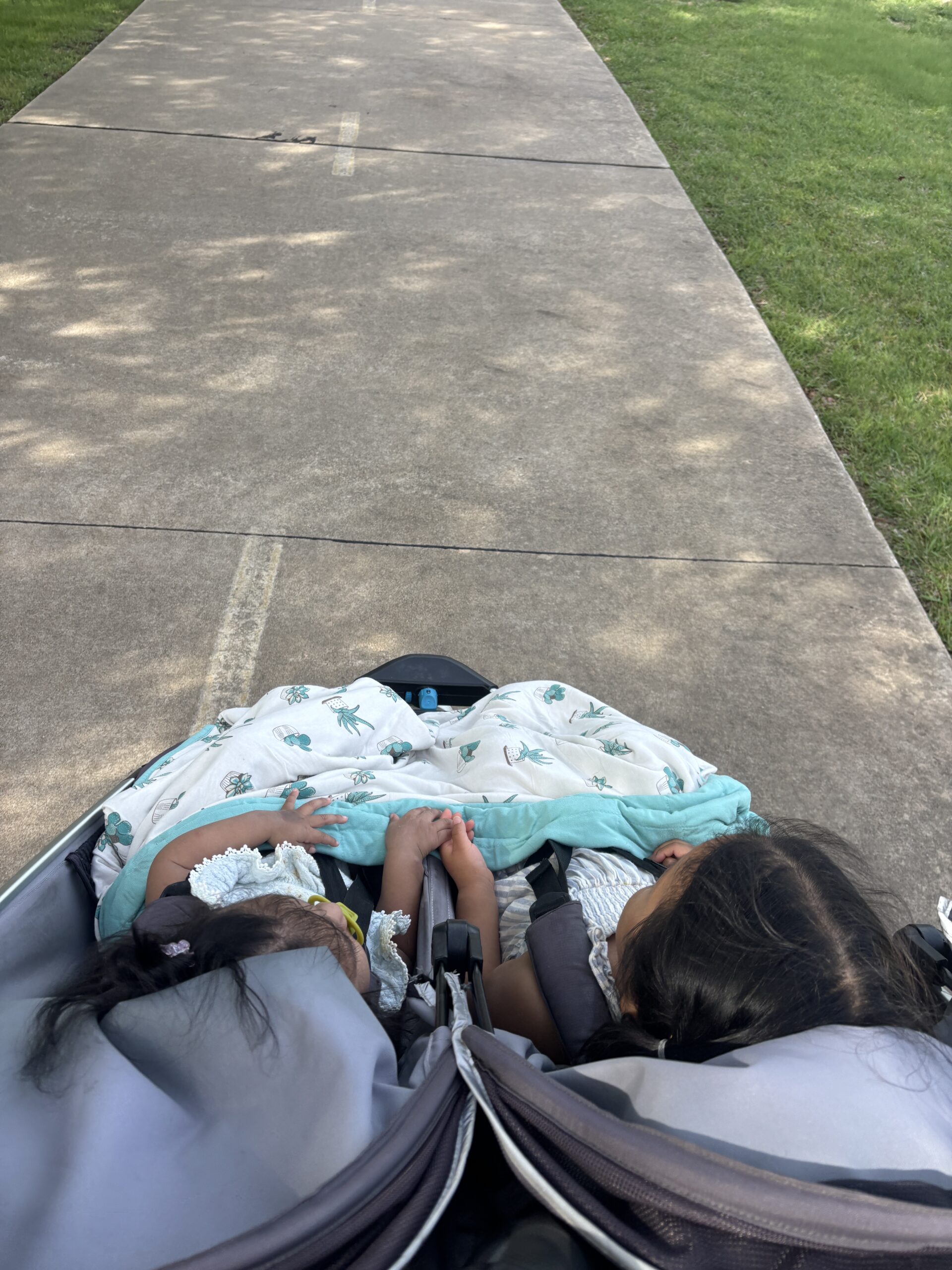
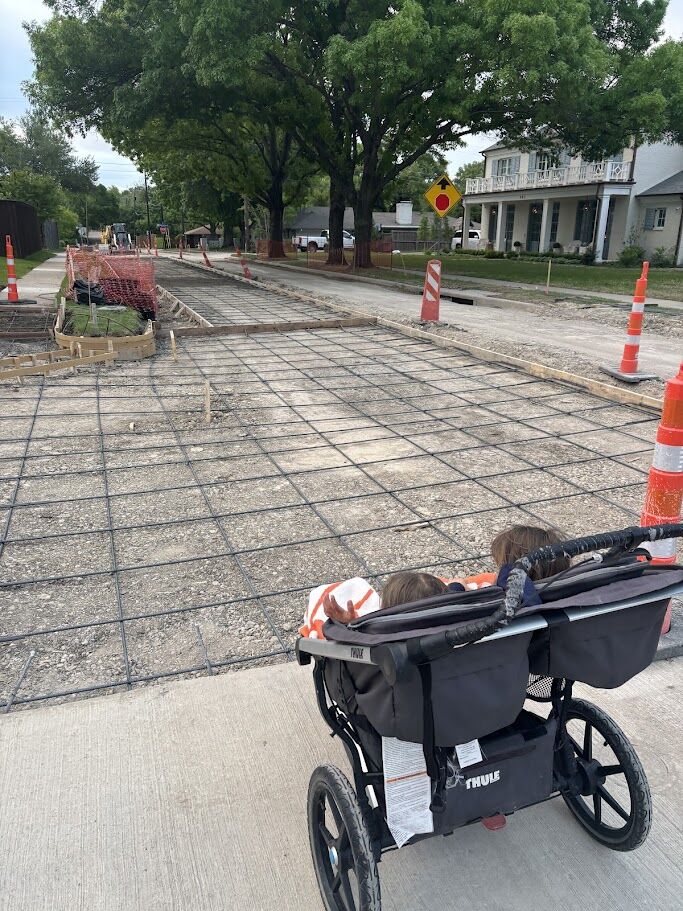
Throughout his two-year running journey, Clay was often joined by four teammates who motivated him to keep going: his daughters. With the double stroller in tow and streets to check off, Clay would run with his girls.
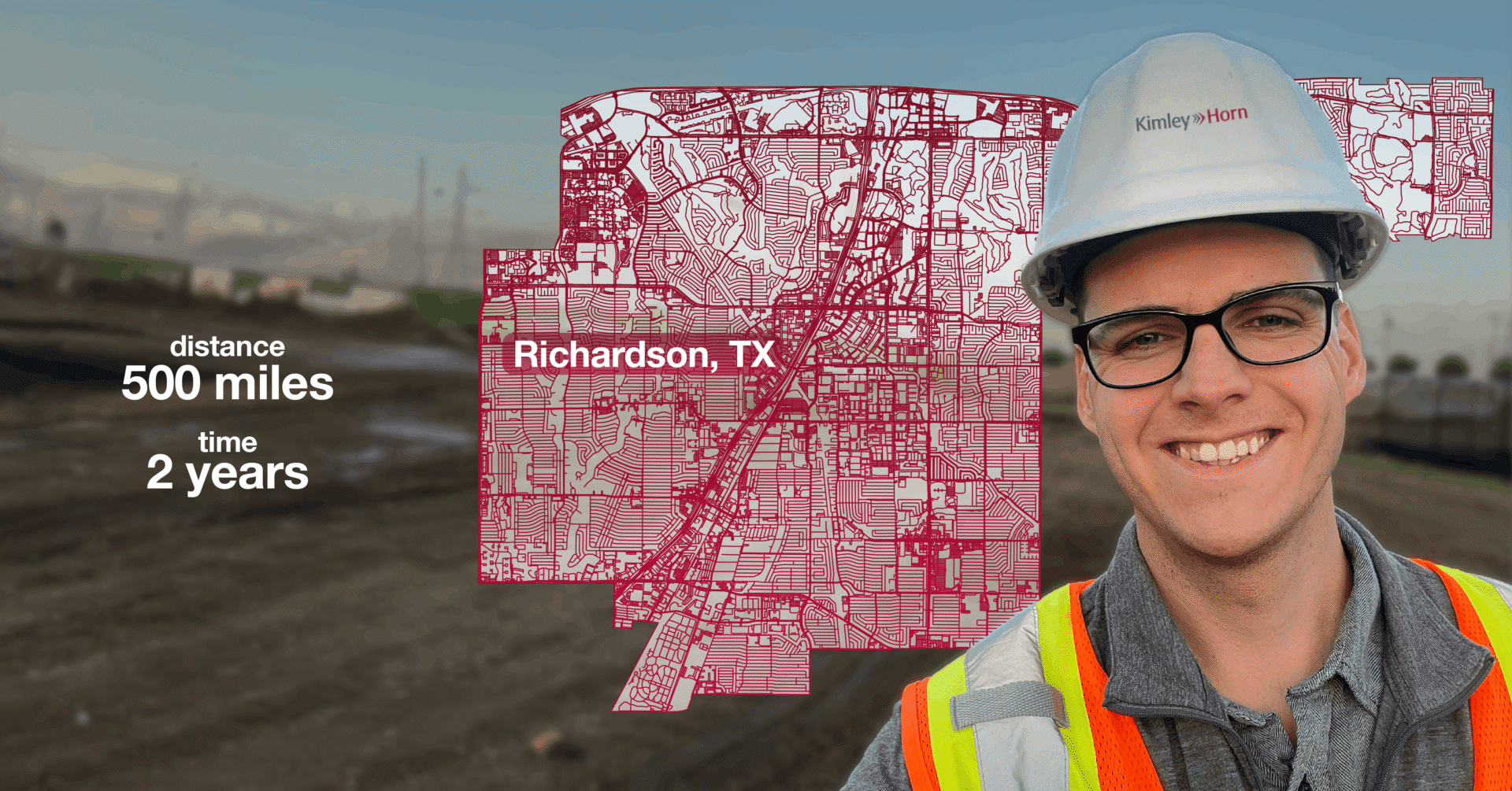
What started as a goal to run every street in Richardson became something bigger: a way to experience the work we do, the communities we shape, and the connections that tie it all together.
Want to join a company where you can see your work shaping the world around you?
Check out our career opportunities here