Responsibility Report
Learn More About Kimley-Horn’s commitments, actions, and progress in supporting its people, clients, communities, and the environment through responsible business practices.
Sustainability is woven into how we work and how we serve. We believe our greatest environmental impact comes from advancing the long-term sustainable goals of our clients, in addition to supporting environmental conservation through volunteer efforts and stewardship.
Every year, Earth Day reminds us that the systems and resources we rely on every day—and have the opportunity to help design—are deeply connected. Protecting our air, land, and water starts with thoughtful planning, responsible design, and sustainable solutions. Through our work, progress isn’t just possible: it’s real, resilient, and ongoing.
Our teams are rethinking transportation systems to help communities move cleaner, quieter, and healthier—today and for the long term. Zero-emission transportation has become a critical strategy for reducing air pollution, conserving resources, and improving quality of life. Earth Day is a reminder that protecting our environment depends on integrated solutions and infrastructure decisions rooted in how and where people live, work, and move every day.
As zero‑emission vehicles powered by electricity and hydrogen become more reliable and affordable, we’re helping develop the everyday infrastructure critical to mainstream adoption. From light‑ and heavy‑duty zero‑emission fleets to charging at shopping centers, workplaces, and transit hubs, clean transportation is already taking shape. It’s no longer a future concept; it’s part of how our communities function today.
The benefits from zero-emission transportation show up in everyday moments, reflecting a shift in mindset from viewing refueling as a chore to something seamlessly integrated into daily life. Whether it’s charging your car overnight at home, quieter delivery fleets moving through neighborhoods, or buses operating more smoothly and with fewer emissions where people live, work, and breathe, these changes are reshaping transportation.
Reliable zero-emission infrastructure is built through careful planning and innovative strategies that support cleaner air, healthier people and places, and a more resilient future.
Beyond the projects we deliver, our people are passionate about giving back to the places where they live and work by applying their skills to support environmental conservation.
Landscape architect Clare Kiboko, PLA, applies that passion locally through her volunteer work with Metro Blooms, a nonprofit dedicated to nurturing healthy landscapes and connecting underserved communities to natural resources. Her efforts focus on protecting at-risk pollinators by helping create healthier, more resilient landscapes—work that plays a vital role as pollinator populations continue to decline nationwide.
Clare’s involvement is supported by the Kimley-Horn Foundation, which funds nonprofit organizations where employees actively volunteer and serve their local communities.
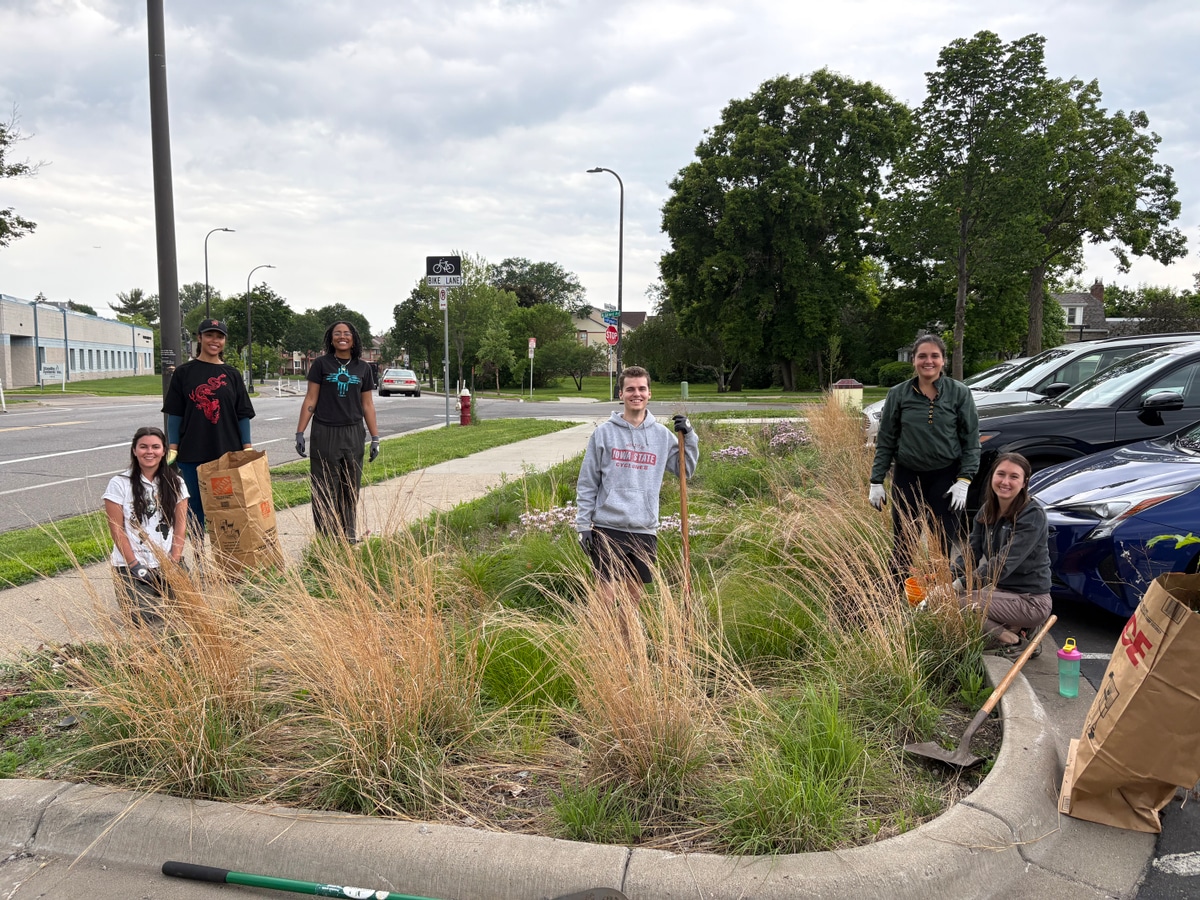
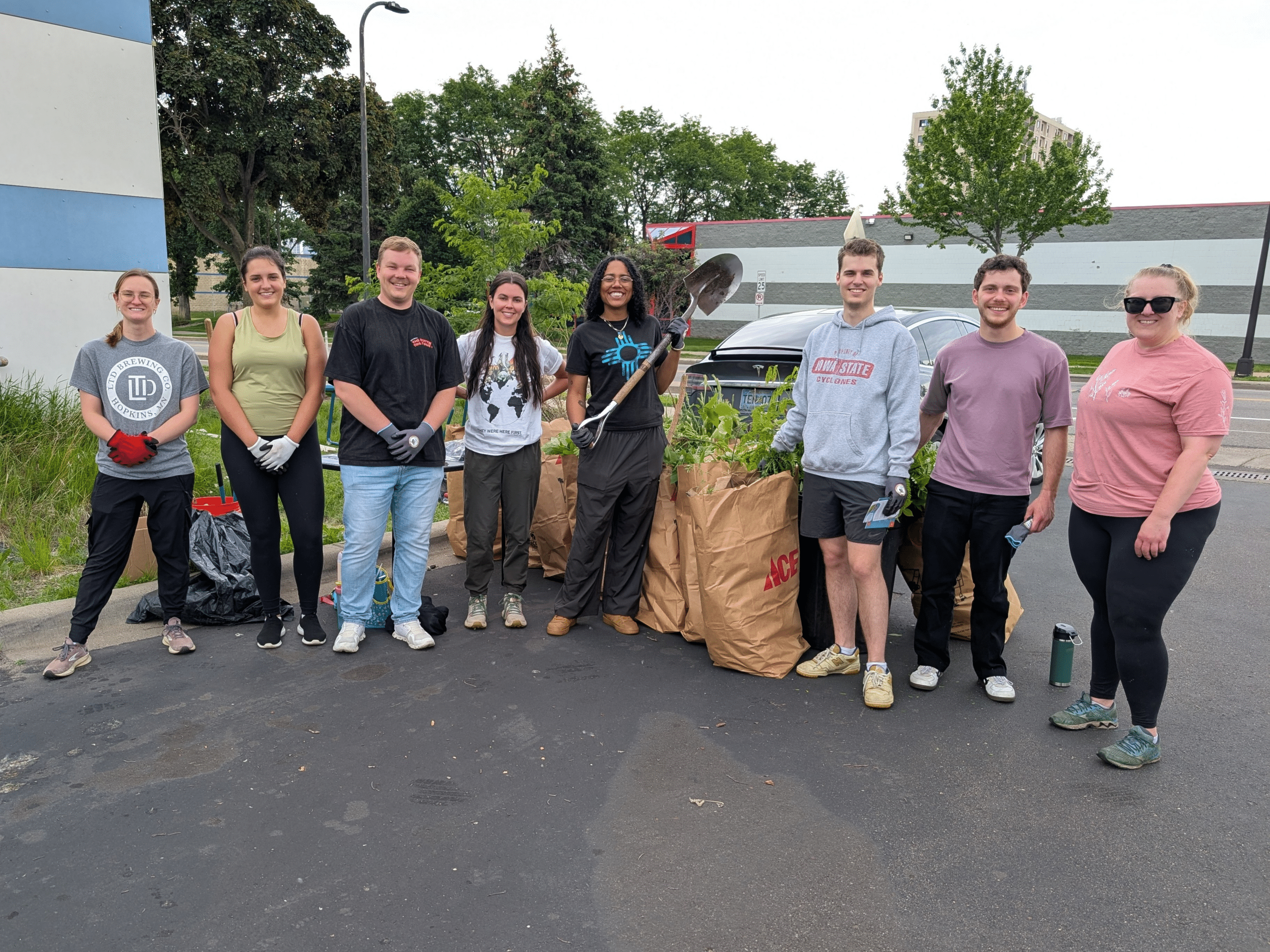
Through Metro Blooms’ Lawns to Legumes program, Clare coaches homeowners on adding pollinator‑friendly native plants to their yards. Each growing season, she supports participants by conducting site visits, assessing needs and experience levels, and developing planting plans and 3D visualizations to help transform their spaces.
Recently, Clare began volunteering with Metro Blooms’ Sustainable Landcare Training program, where she educates participants about stormwater management practices and introduces them to career pathways in the environmental field. Other Kimley-Horn teammates also support the program by helping maintain a rain garden, giving participants hands-on experience with how rain gardens function as an effective solution to reduce stormwater runoff.
For years, municipalities across the country managed biosolids by applying them directly to agricultural fields.
While once widely accepted, the cumulative impacts of this approach became increasingly clear. In states like Florida, excess nutrients such as nitrogen and phosphorus washed into streams, rivers, and coastal waters, contributing to water quality issues that affected ecosystems and the people that depend on them.
As Florida began moving away from land application as a long-term solution, the need for a new approach became urgent. In 2018, Kimley-Horn partnered with Merrell Bros., Inc., Pasco County Utilities, and the Florida Department of Environmental Protection to rethink biosolids reuse. By harnessing solar energy to minimize fossil fuel use, the team transformed what was once a disposal challenge into FloridaGreen, a Class A fertilizer manufactured by the Merrell Bros., managed in a controlled, enclosed system designed with residents in mind.
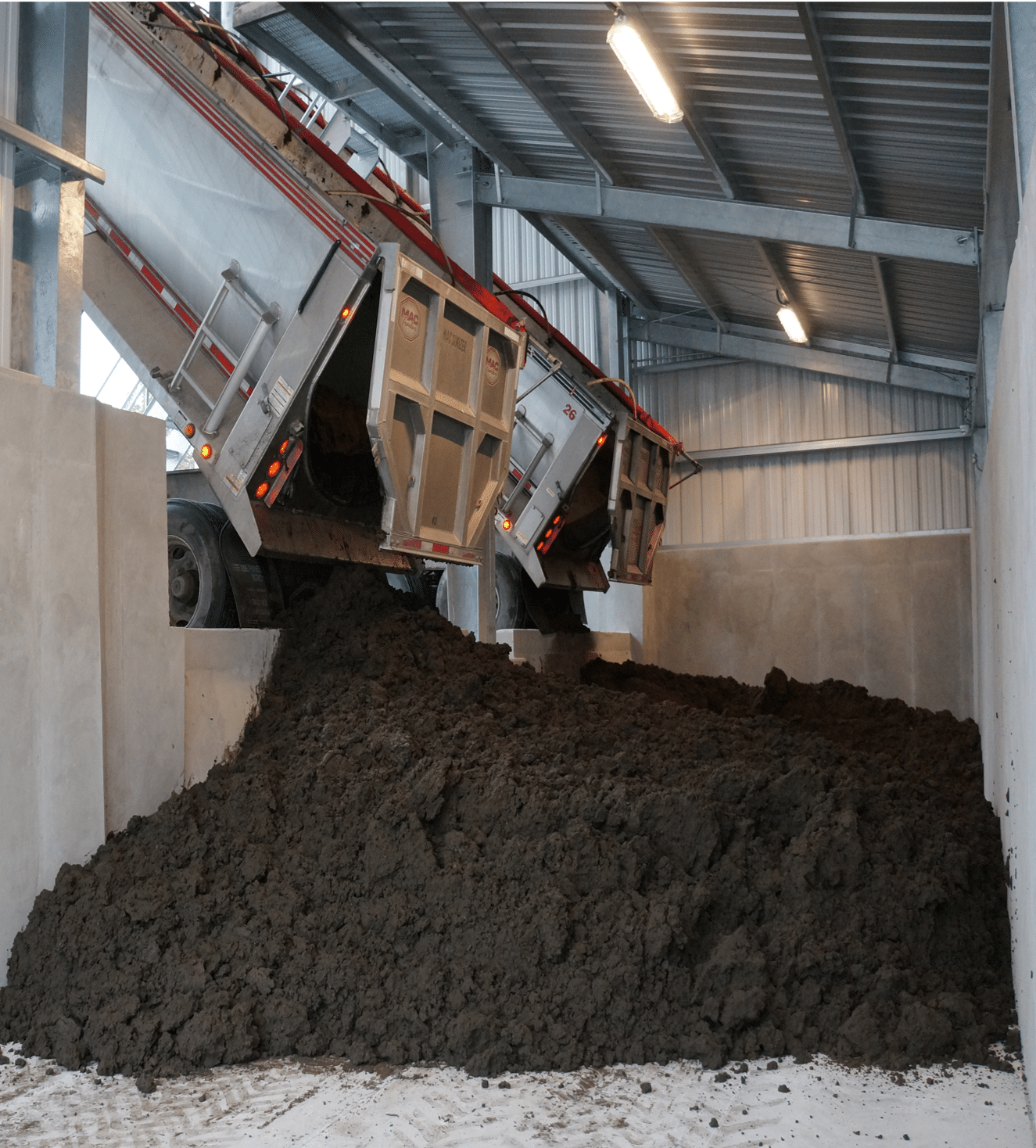
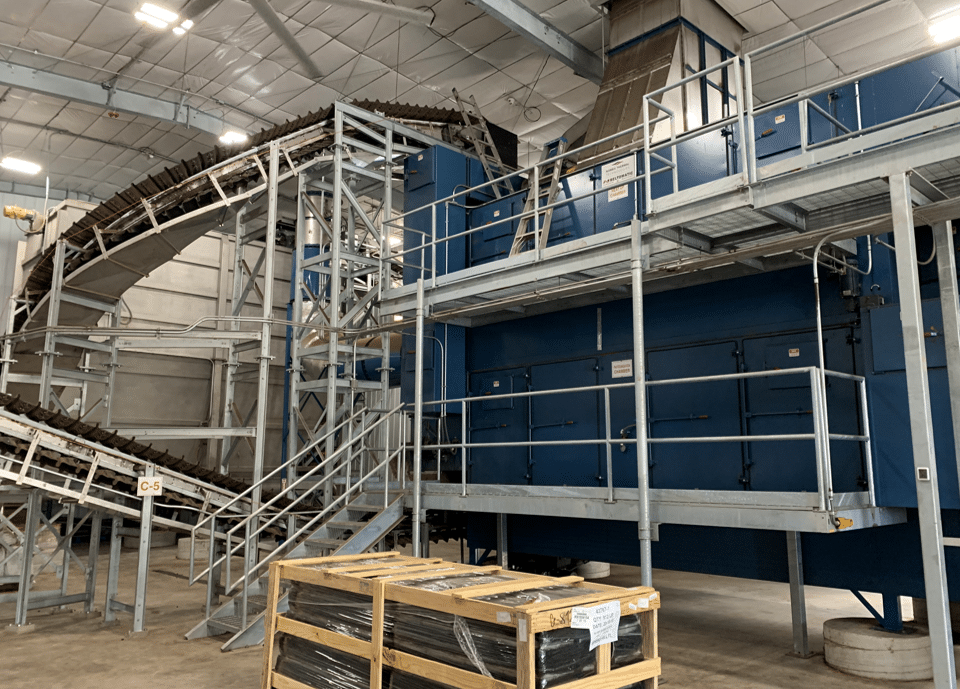
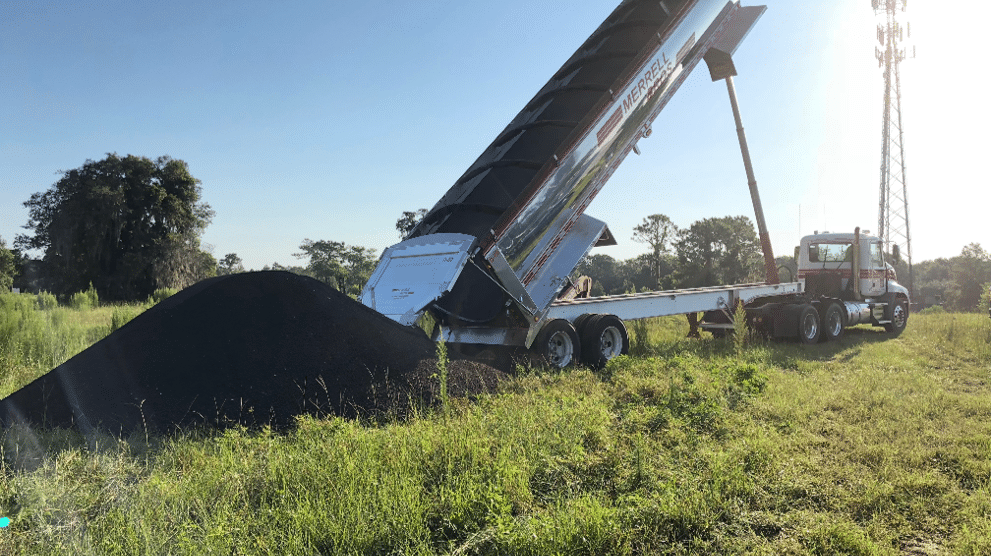

Since 2018, more than 300,000 wet tons have been transformed into FloridaGreen fertilizer using this approach. The process reduces biosolids volume by approximately 85 percent, limits harmful runoff, and has generated more than 250 billion British Thermal Units (BTUs) of renewable energy—saving over $4 million in energy costs.
The impact of this work is now expanding beyond Florida into other regions facing similar challenges. In Kennewick, Washington, Kimley-Horn recently led design on a new biosolids processing facility, signaling a broader move toward more resilient, scalable biosolids management nationwide.
Wayne White, PE, a senior engineer at Kimley-Horn with decades of experience in water and wastewater infrastructure, says this project is an example of the possibilities when teams rethink long-standing approaches.
Earth Day highlights how progress is driven by purposeful action and future-proof thinking. By partnering with clients to deliver sustainable solutions across transportation, natural systems, and water infrastructure, Kimley-Horn helps make meaningful environmental progress today while building resilience for the future.
Learn More About Kimley-Horn’s commitments, actions, and progress in supporting its people, clients, communities, and the environment through responsible business practices.