Download the Communications Infrastructure Brochure
Learn more about Communications Infrastructure at Kimley-Horn
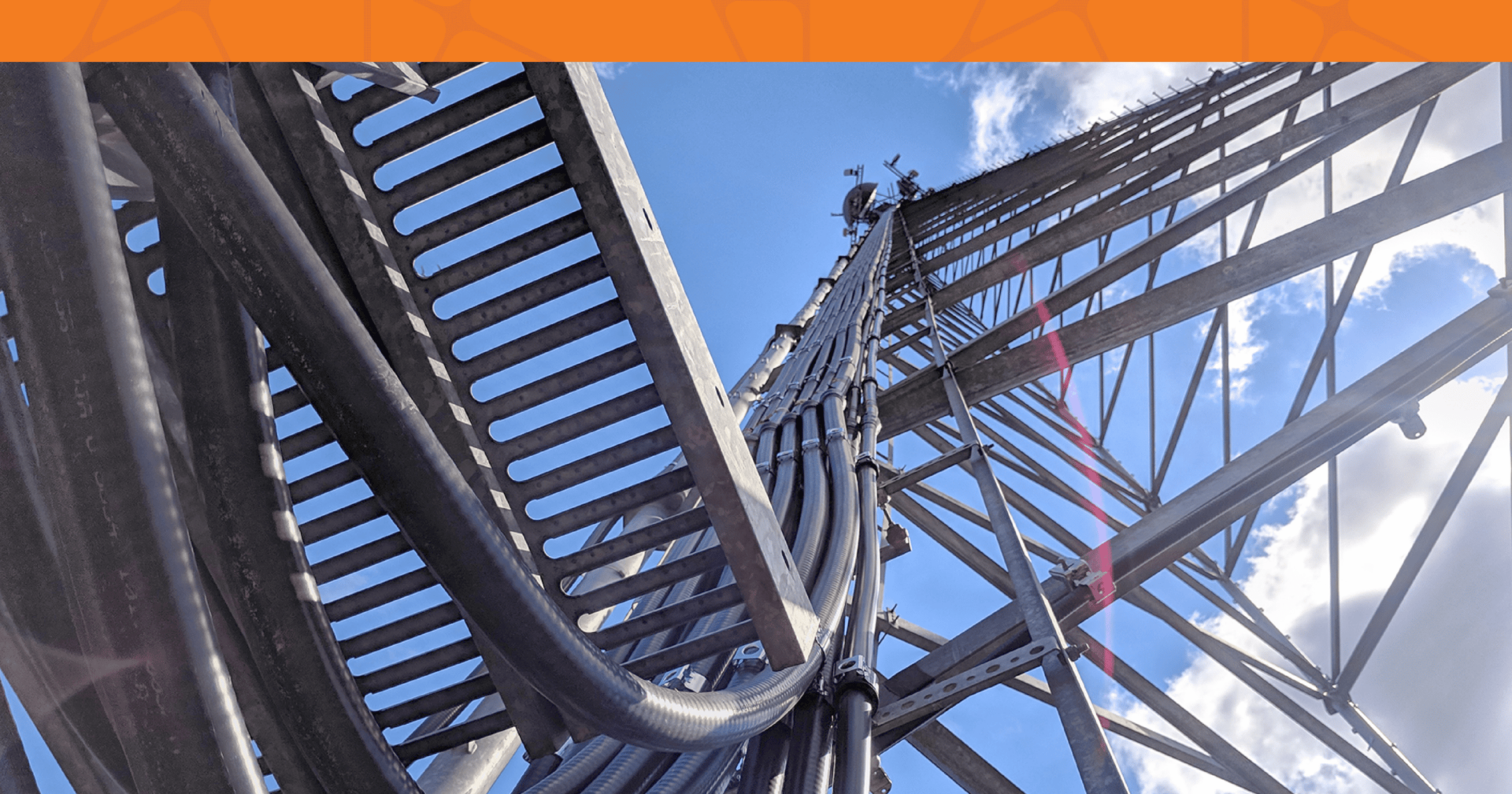
We live in a data-driven world where a high-speed connection is paramount to increasing our efficiency. Within the last two decades, we’ve seen technology go from wired to wireless. However, in this increasingly wireless world, the only actual wireless object is the cell phone itself. These wireless connections you rely on every day are powered in part, by a physical, wired network of fiber optic cables.
Fiber is the backbone for cell towers and communications, increasing the speed of transmitting signal from site to site. Our Communications Infrastructure professionals specialize in designing and engineering Fiber to the X (FTTx) networks. These networks include:
Each fiber network has a unique function design and configuration. We have performed fiber design services for major telecommunication companies, internet providers, universities, and businesses throughout the United States. These services include fiber feasibility studies and fiber design from meet point, to right-of-way, to building entry.
While fiber is essential for modern communication through cell phones and high-speed internet, it serves additional purposes. Fiber networks cross the Atlantic Ocean through under-sea cables and span up and down our railroad tracks and highways. Fiber helps transmit data from red light cameras and speed cameras that monitor traffic. It’s also critical for ensuring emergency alerts—like flash flood warnings—can be sent to your phone in times of crisis. Fiber networks are instrumental in the safety and well-being of our communities.
All fiber optic cables start at a data center, or meet point, and roll out from there. From the meet point, we survey the site to determine the most efficient way to structure the fiber network to quickly transmit data from Point A to Point B. Fiber is made of glass, meaning it cannot bend, twist, or turn easily. As a result, our surveying and planning must be precise—we avoid existing lines and identify the route that will require the least amount of permitting, meeting demands for faster speeds in less time.
Kimley-Horn is a large firm with a national presence and a local feel. We’re a one-stop-shop that provides the necessary surveying, permitting, design drawings, construction services, and more that fit your needs. We can also assist with fiber-optic installation plans, conduit and manhole installation, and building penetration designs. As Telecom experts, we are proud to help put together the networks that keep us safe and connected with people across the country and around the world.
Learn more about Communications Infrastructure at Kimley-Horn