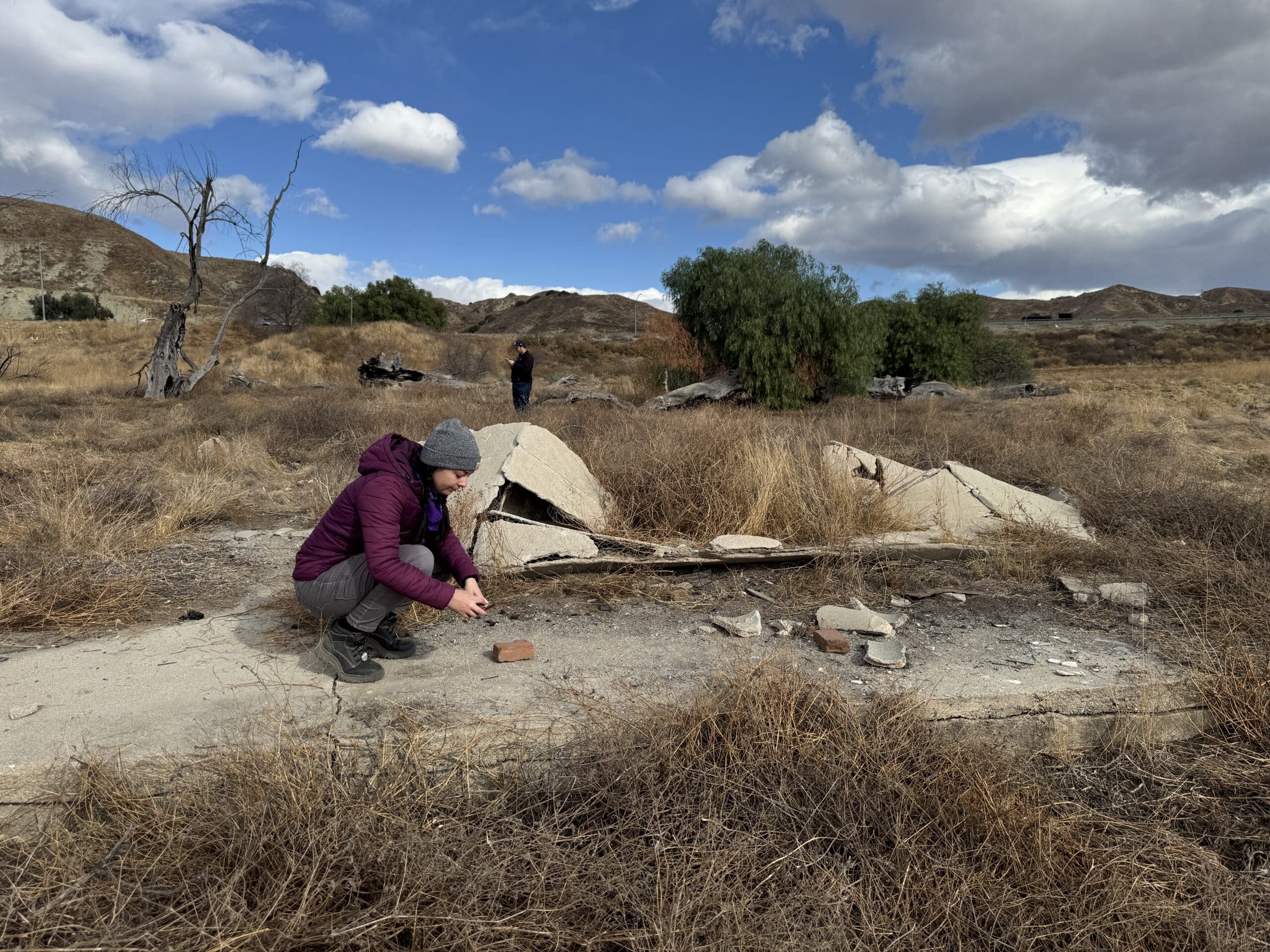


Empowering Communities Through Cultural Resource Services
Kimley-Horn offers community-focused services to our clients through our cultural resources management staff, who have years of experience in anthropology, archaeology, and historical preservation, as well as experience working directly with Tribal governments and cultural departments. Our team meets the Secretary of the Interior’s Professional Qualification Standards, including those for Registered Professional Archaeologists, and brings the technical rigor needed to navigate complex regulatory environments.
We regularly support federal, state, and local agencies through Section 106 of the National Historic Preservation Act and related environmental review processes. Our team approaches Section 106 not as a procedural requirement, but as an opportunity for early, meaningful consultation—one that centers Tribal perspectives, incorporates Indigenous knowledge, and informs project decisions before impacts occur.
Our team is well‑versed in the regulatory frameworks that guide this work, including NEPA, CEQA, Section 106 of the National Historic Preservation Act, Department of Transportation Act of 1966 Section 4(f), the Native American Graves Protection and Repatriation Act (NAGPRA), and applicable state and local regulations.
Cultural Resources Management Services:
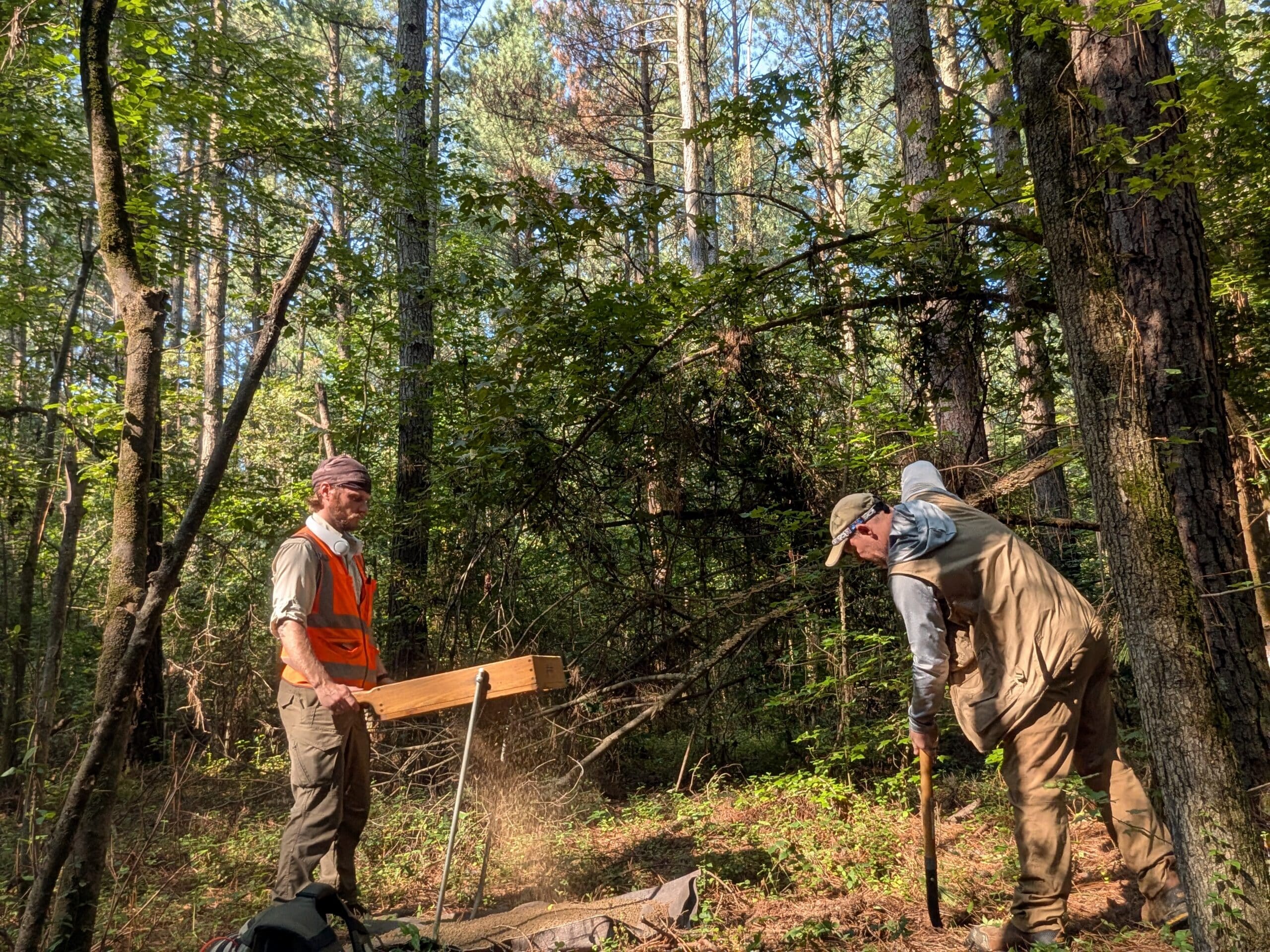
- Phase I cultural resources inventories
- Phase II cultural resources evaluations
- Phase III archaeological data recovery and historic documentation (HABS/HAER), Traditional Cultural Property (TCP), and National Register of Historic Places (NRHP) eligibility support
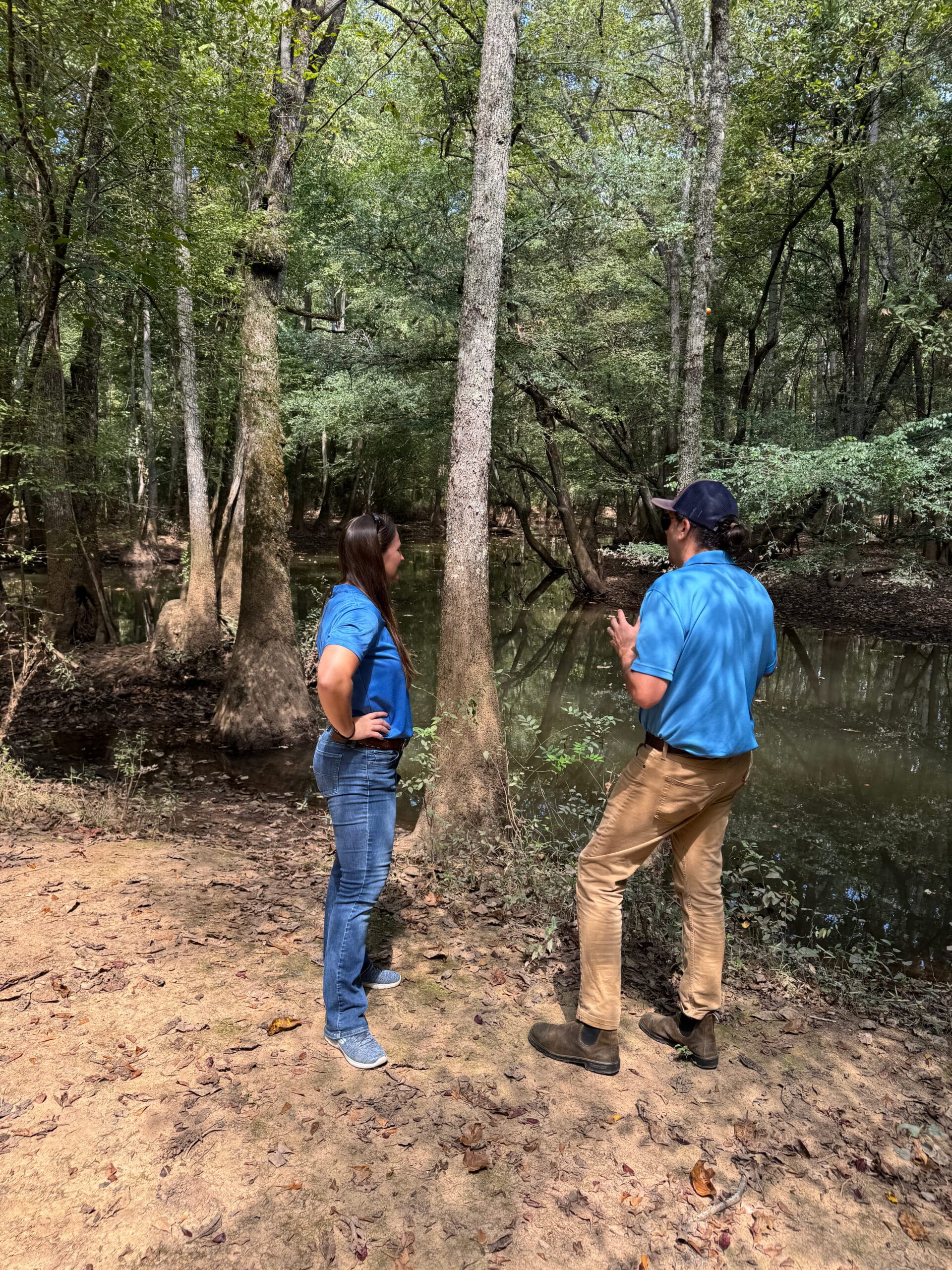
- Site monitoring and condition assessments
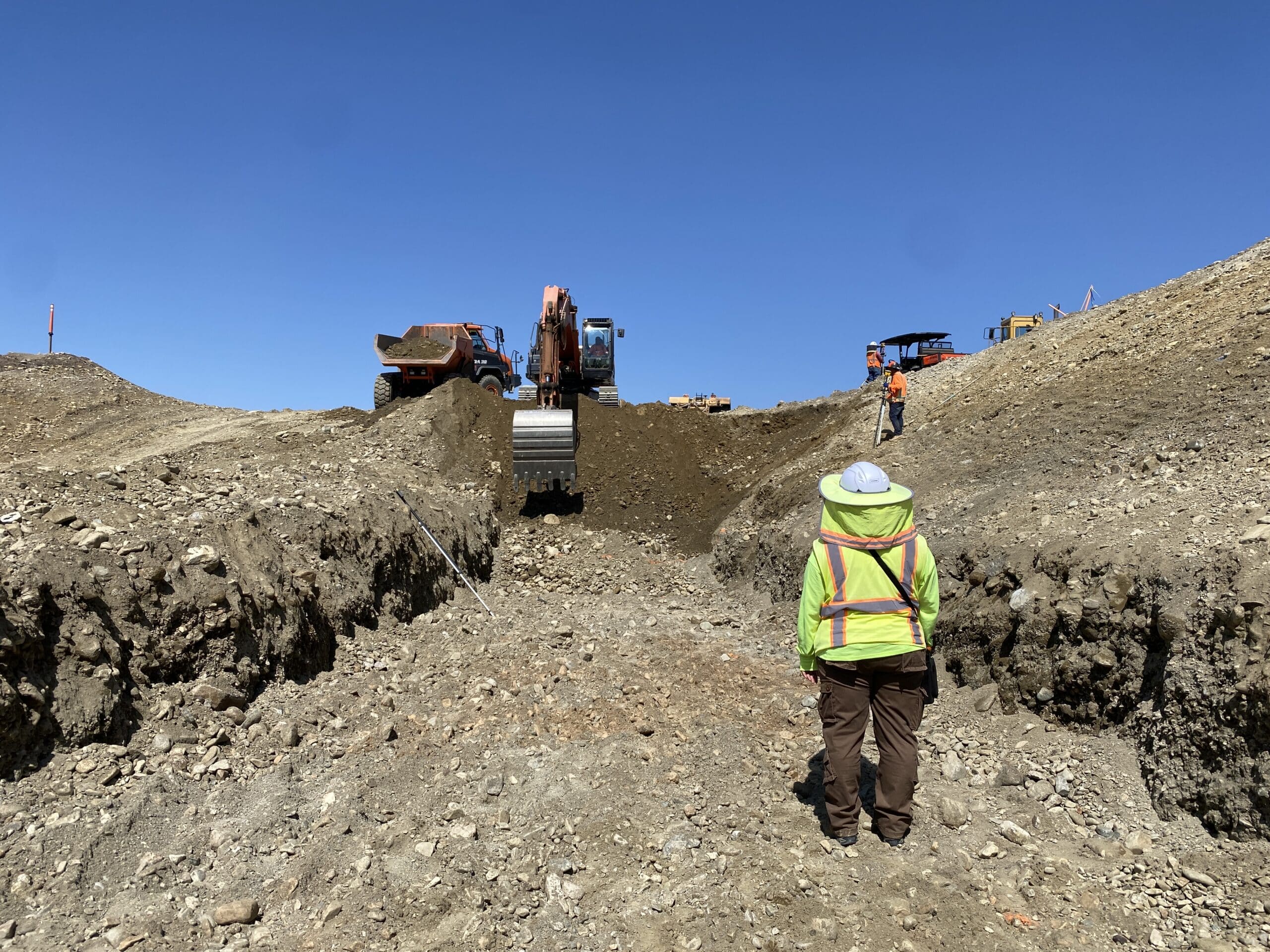
- Construction monitoring
- Cultural and historical public education
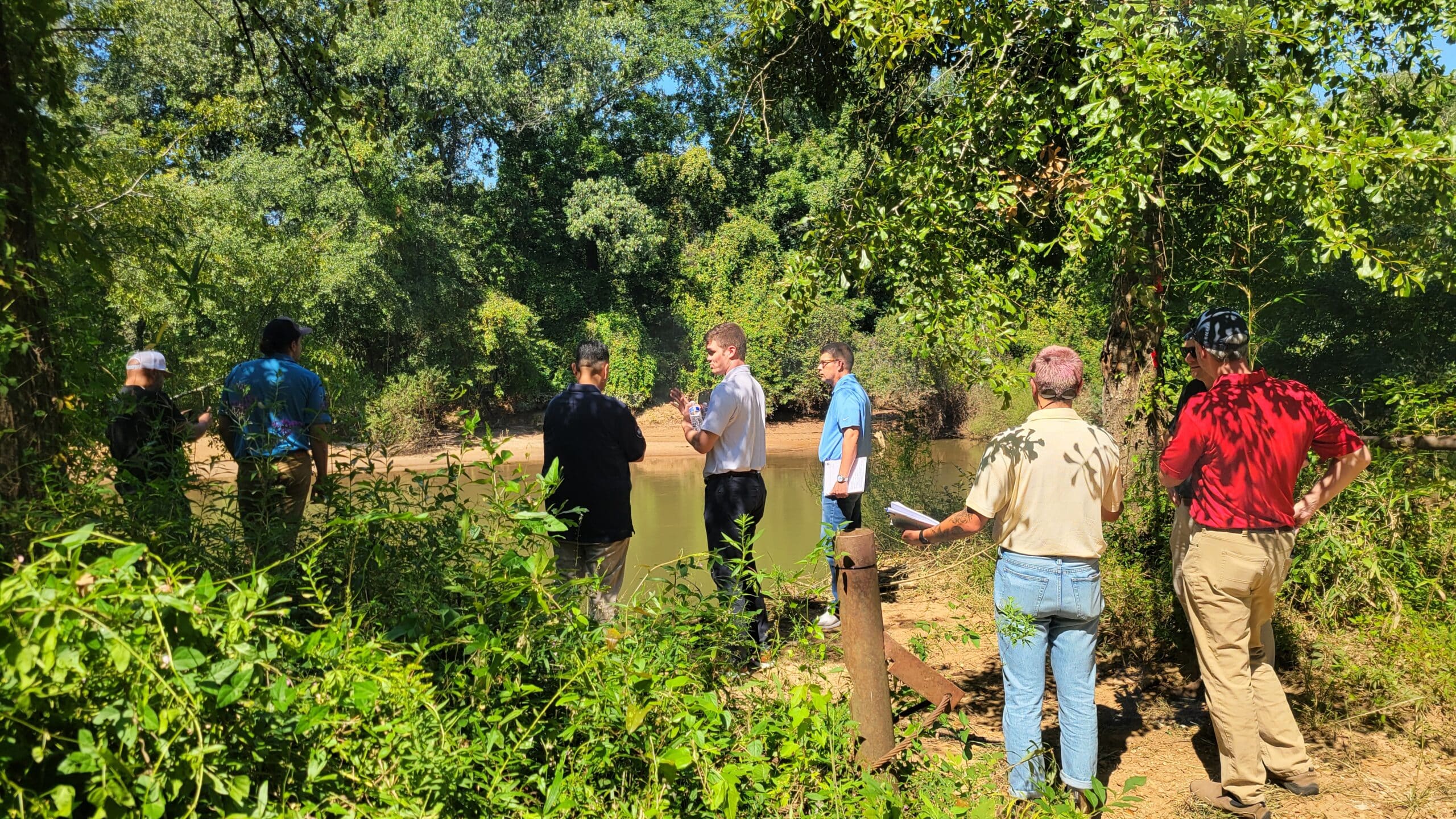
- Tribal consultation planning, facilitation, and documentation
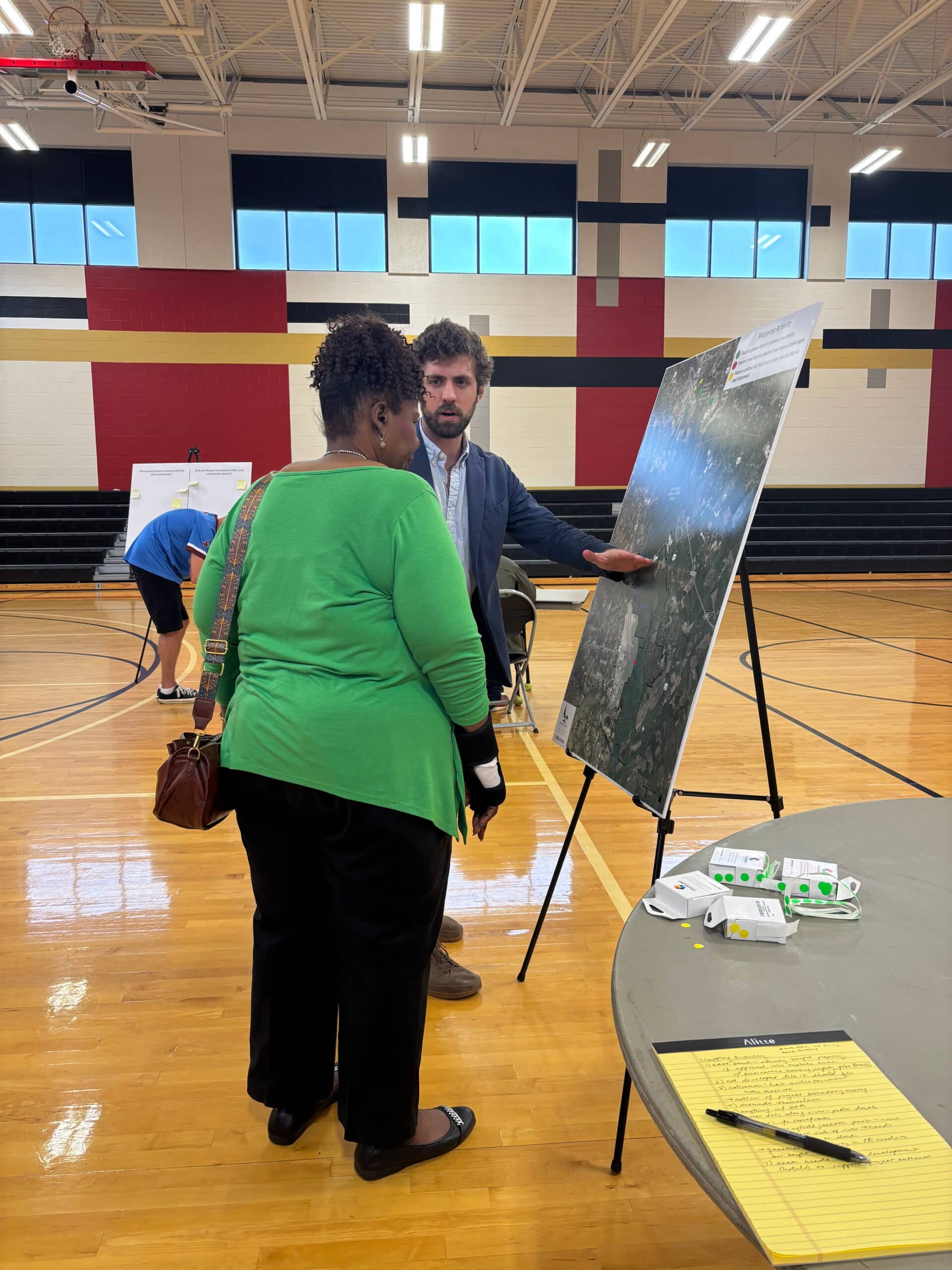
- Community outreach and engagement