Navigating the Future of Transportation: Strategies for Implementing Advanced Air Mobility
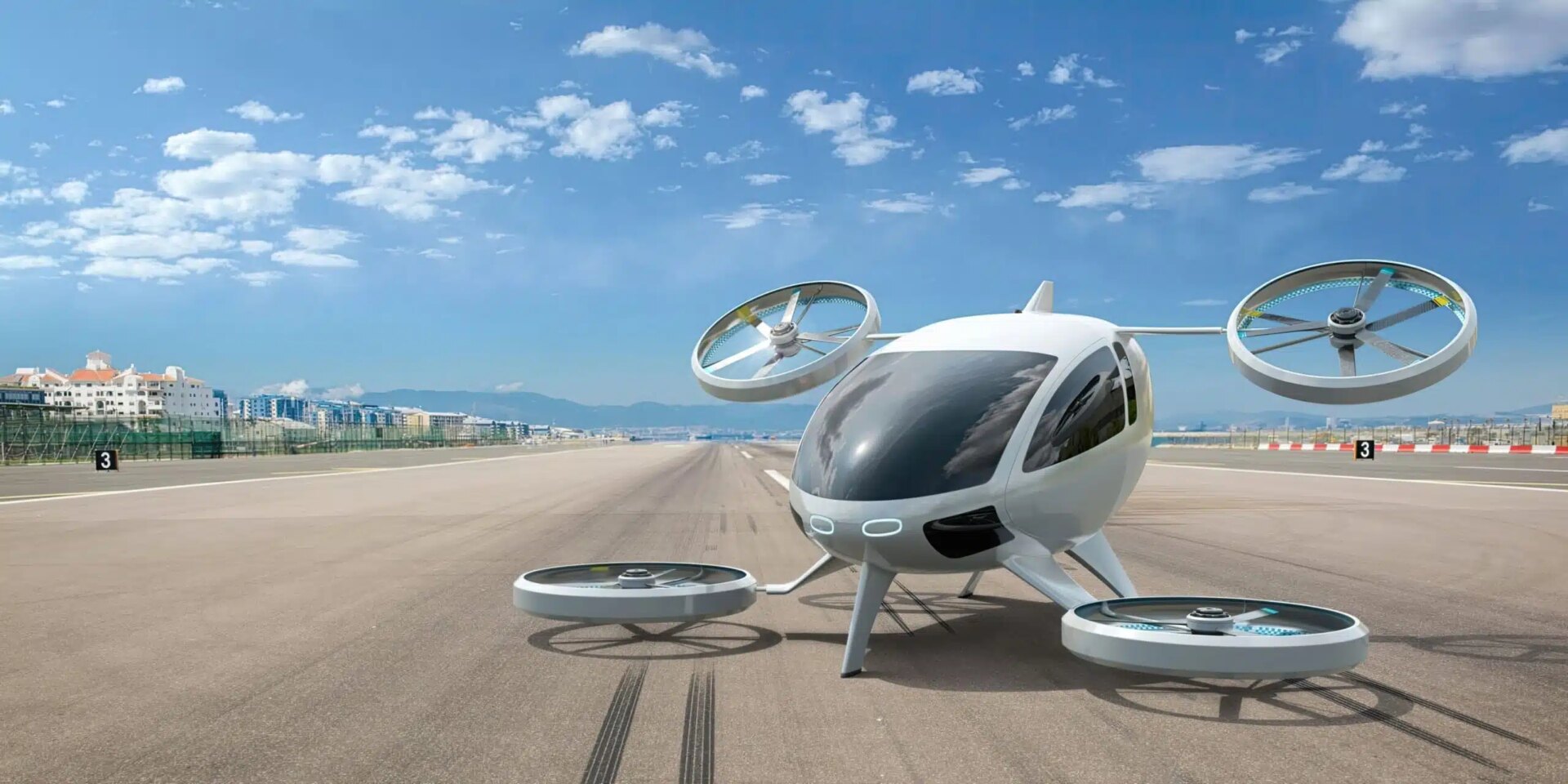
Advanced Air Mobility (AAM) has generated a lot of buzz in recent years as the prospect of using drones and electric vertical takeoff and landing (eVTOL) aircraft for a multitude of use cases inches closer to a reality.
Now, as AAM begins to transition from research and development to adoption and implementation, we are starting to witness the realization of its highly anticipated benefits—from uncrewed aircraft systems (UAS) (i.e., drones) performing commercial last-mile package delivery in several markets to significant milestones in the certification of eVTOL aircraft. Excitement continues to build for the possibility of AAM transforming transportation, tourism, healthcare, and more.
However, given the emerging nature of the industry, it is imperative that practicality and adaptability are cornerstones of any investment decision. For those looking to leverage AAM within their community, at an airport, or as part of a development project, there are several key factors to consider.
AAM Planning and Infrastructure Needs
There is no one-size-fits-all solution to AAM implementation. Use cases (e.g., passenger transportation, package delivery, or agriculture applications), operating environments, regulatory requirements, and potential benefits all differ from community to community. Before diving headfirst into detailed AAM planning, it is crucial to first define the “why” behind your potential investment decisions. Some questions to ask are:
- What are the ultimate objectives of incorporating an eVTOL vertiport or UAS infrastructure at my facility?
- What AAM use case(s) best align with the unique needs of my airport, community, or business?
- What infrastructure improvements are needed to support AAM?
- How will this AAM project be funded (e.g., privately or publicly)?
- Will the investments be supported by primary stakeholders, decision makers, and the public?
- Is there a solid business case for AAM at my facility? If so, what is the expected return on investment?
In addition to these foundational questions, developing a comprehensive stakeholder engagement strategy is also critical. Depending on your project’s location, use case(s), and regulatory environment, AAM stakeholders may include:
- Community representatives and advocacy groups
- Local, regional, and state government agencies and organizations
- Utility providers
- Airport users, tenants, and air traffic control (for on-airport facilities)
- Federal Aviation Administration (FAA) Regional Airports Division and District Offices (ADOs)
- Emergency services providers
- Original Equipment Manufacturers (OEMs)
Setting clear goals and developing an implementation strategy in partnership with stakeholders will guide decision making, promote a pragmatic approach to infrastructure planning, and ensure that AAM investments are consistent with community needs and align with your ultimate vision.
Developing Your Strategy for AAM Implementation
Each AAM use case presents unique advantages, challenges, and steps for implementation. For example, if your goal is to enable eVTOL cargo transportation, payload capacity and vertiport location considerations will differ from those for passenger transportation, aeromedical services, and air tours. Additionally, eVTOL aircraft needs will vary from UAS infrastructure—from energy capacity requirements and beyond visual line of sight (BVLOS) capabilities to environmental clearance, airspace integration, and regulatory approval. No matter the use case, there are several key planning and infrastructure elements to consider as practical starting points to any AAM development.
-
Planning and Environmental Reviews
-
Charging and Electric Infrastructure
-
Airspace Integration
-
Fire Suppression and Emergency Response
-
Zoning and Land Use
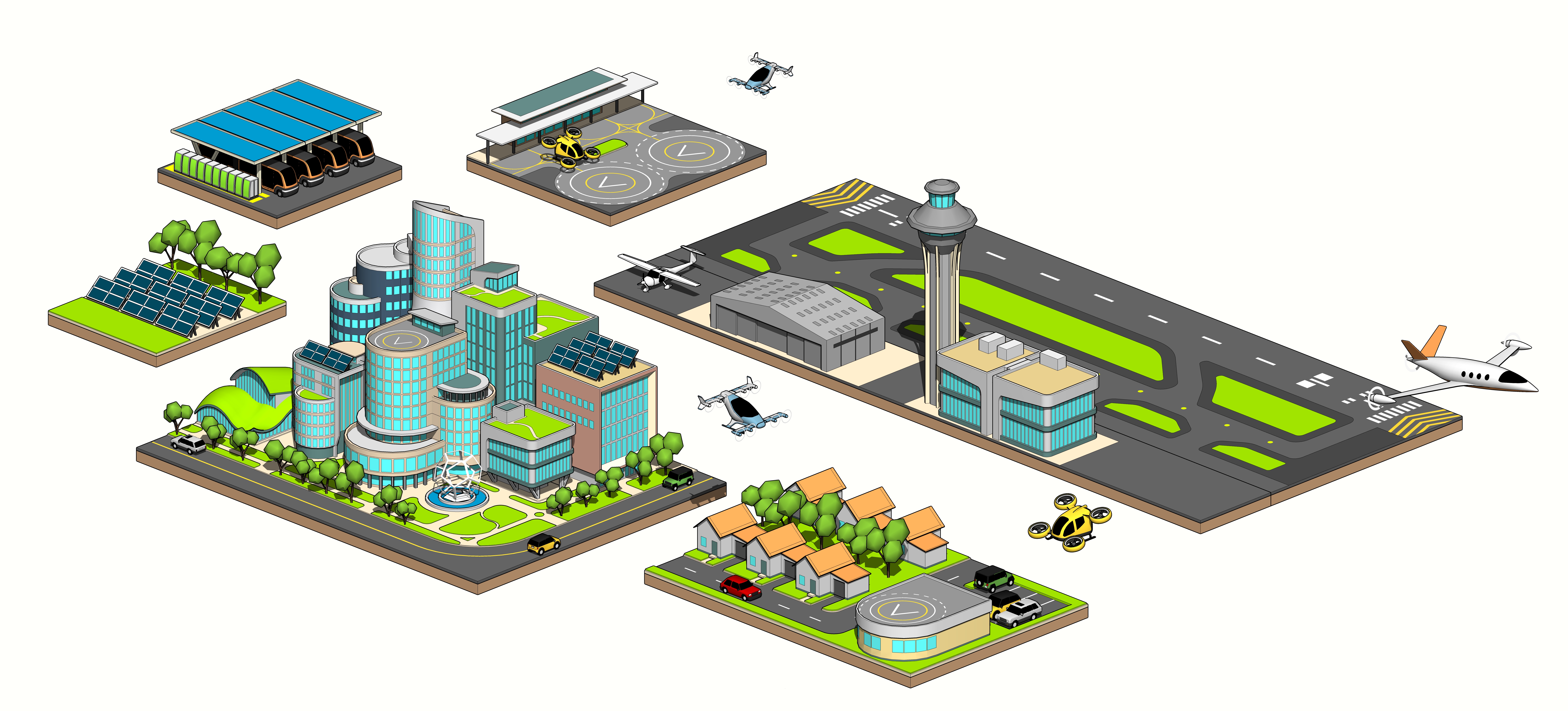
Flexibility and Adaptation
Since the AAM industry is in its infancy, it’s important to remain flexible and adaptable. AAM planning and design should allow for modifications and re-tooling to support new technologies, evolving regulations, facility expansion to meet future demand, and interoperability among different aircraft types. When making investment decisions, prioritize key items that will provide long-term benefits. For example, investing in electric capacity, airspace obstruction clearance, and communications infrastructure can yield immediate benefits for your development and community while also laying the foundation for future AAM operations.
AAM has the potential to revolutionize and enhance connectivity and services across many industries. As UAS and eVTOL aircraft transition into the preliminary stages of operations, we can begin to understand the “real-life” infrastructure needs, challenges, and overall implications of operations. To successfully navigate this environment, we are equipped to assist you throughout the AAM project life cycle, including planning, environmental clearances, stakeholder coordination, grant and funding assistance, facility design, and construction phase services. We will partner with you to develop a realistic AAM strategy rooted in flexibility, adaptation, and stakeholder engagement to collectively achieve your mobility goals.


Related Insights