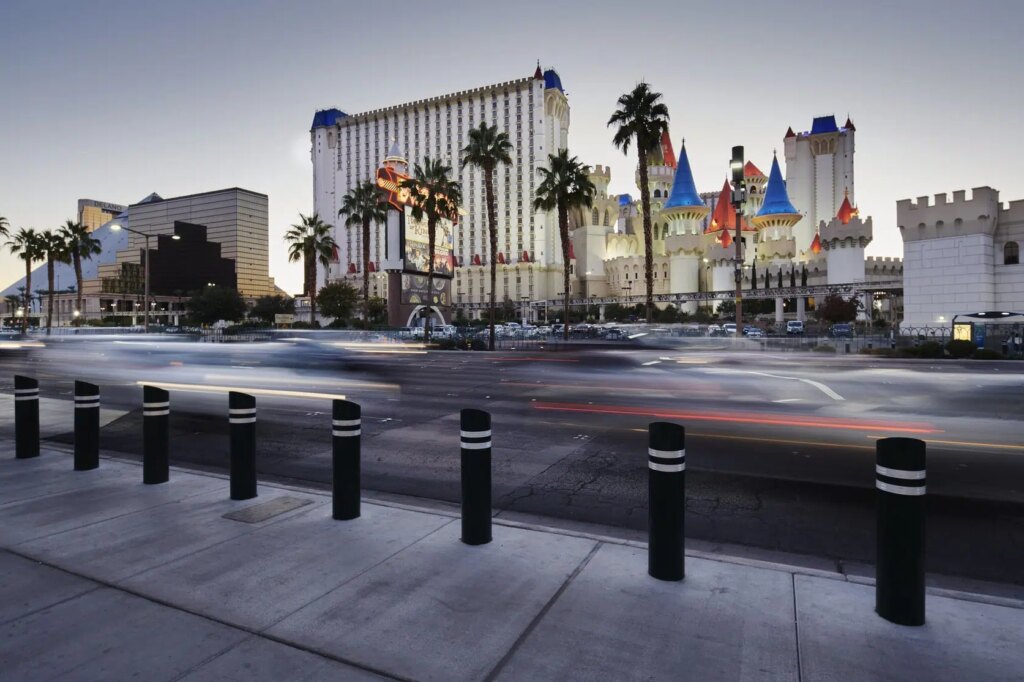
Securing Public Spaces: How Vehicular Barriers and Environmental Design Enhance Safety
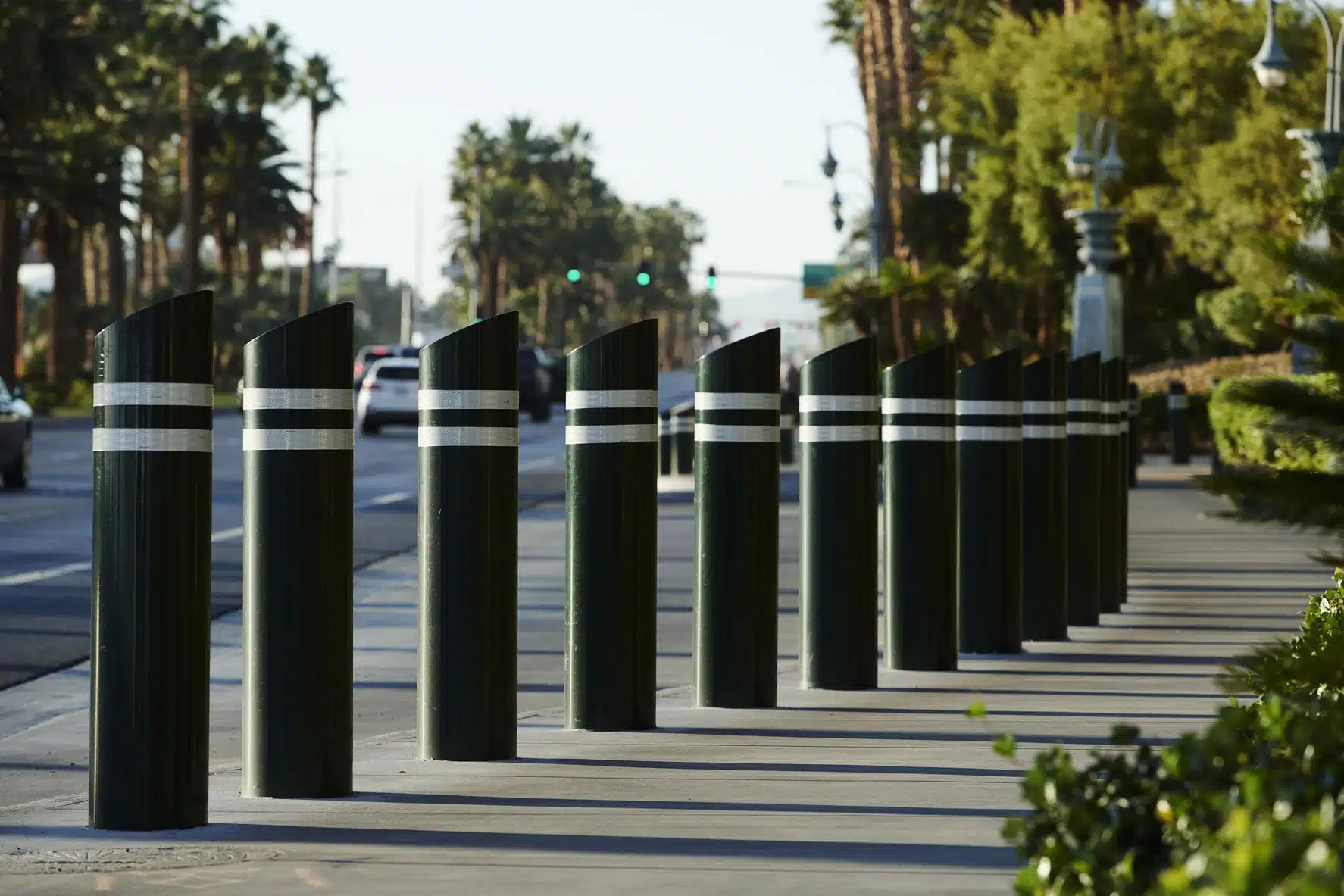
Vehicular barriers act as physical obstructions along the perimeter of roads, buildings, or key infrastructure, typically protecting pedestrians and/or buildings from errant vehicles. These barriers come in many different varieties, such as bollards, gates, walls, and even streetscape furniture. The most widely used protection device—crash-rated bollards—are vertical protection posts that act as a physical and visual barrier separating vehicle and pedestrian traffic while allowing seamless pedestrian access. As a critical part of providing physical security, these safety measures are particularly useful for projects involving street protection and pedestrian plazas, especially in the wake of recent security incidents in New Orleans and Munich, Germany.
Whether they are used by government agencies, municipalities, commercial development groups, or data centers and warehouses, bollards and other barriers can help address your safety concerns or mitigate concerns before they arise. With that in mind, read more to hear from our experts on the science of site security, the use and benefits, and other safety measures to consider.
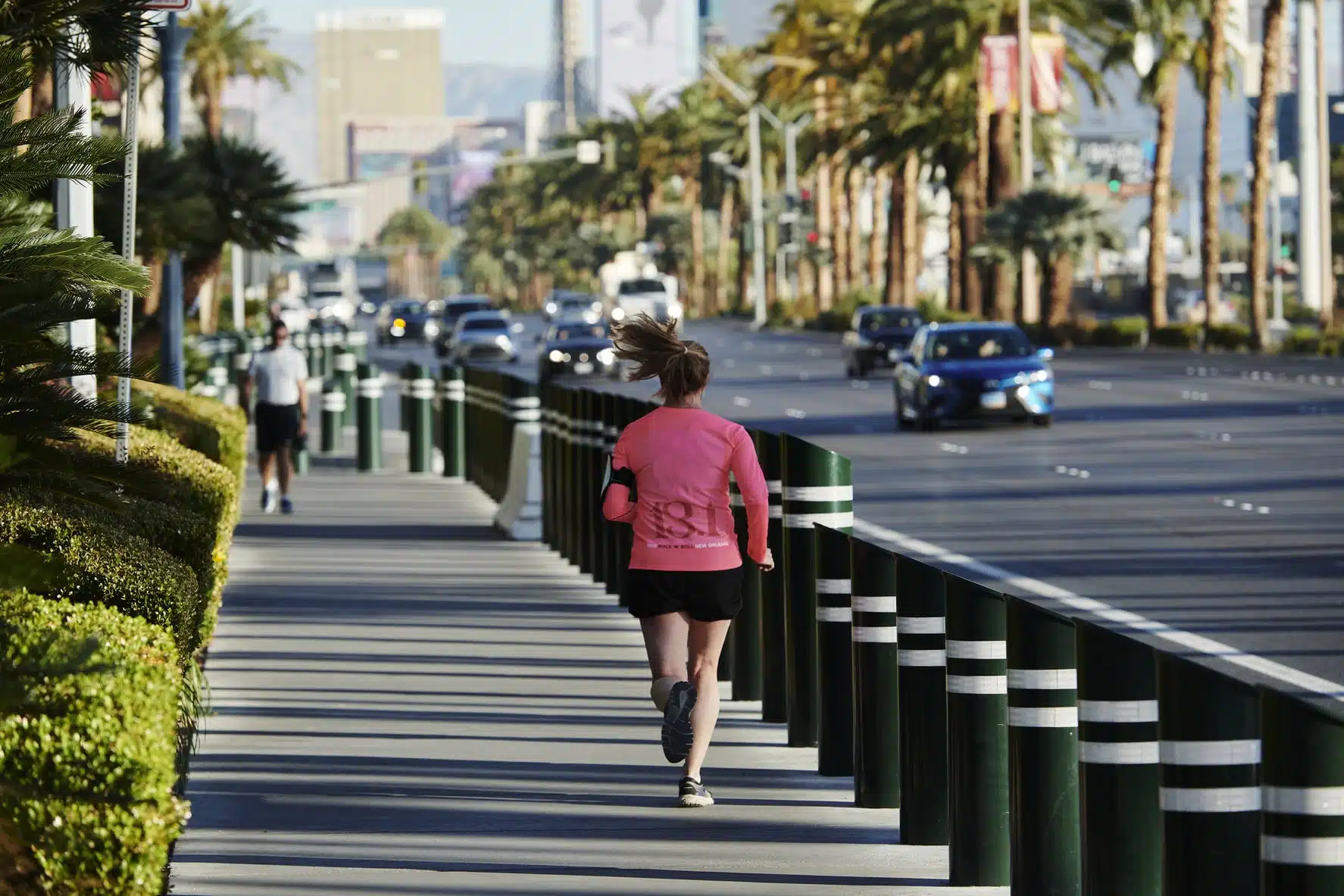

Bollards 101: Use Cases and Benefits
With persistently high numbers of vehicular attacks on pedestrians, there is a need to protect locations that attract large public gatherings. Each site has its unique geometry and layout, and assessing access points and surrounding roadways is critical to developing a secured environment. One of the first steps in conducting risk, vulnerability, and mitigation assessments is to determine the Design Basis Threat. For instance, consider electric vehicles, which are heavier than typical personally occupied vehicles and can accelerate more quickly. It is essential to calculate and consider a vehicle’s run-up distance and maximum speed in these assessments, and update models accordingly.
The science of bollards uses vector dynamics to anticipate the largest and/or fastest-moving vehicle that could hit the bollard and how much penetration past the bollard the potential impact would be to pedestrians or assets nearby. The larger a vehicle is and the faster it travels, the more force the bollard must withstand. The underground foundation of bollards is designed to absorb and dissipate the impact, stopping errant vehicles before they can cause injury.
Bollards are a critical component of perimeter security with their ability to stop or reduce the damage to pedestrians and infrastructure from a car going off-road. With this added layer of physical security that makes unauthorized entry difficult, bollards enhance overall security and resilience of the environment. They can protect a variety of critical assets, including:
- Aviation perimeters
- Storefronts
- Streets, particularly pedestrian plazas
- Public spaces and parks
- Healthcare facilities
- Educational institutions
In areas with high pedestrian access, such as a farmer’s market, bollards are a reliable safety method with their ability to retract and allow pedestrians to circulate freely. For large-scale events and activities, such as the FIFA World Cup or the Olympics, there also is a need to provide security due to the surplus of people and their need to flow freely in a substantial public space.
The potential cost of not having bollards or other safety measures far outweighs the cost of installation. Take, for example, the regularity in which convenience stores are targeted with “crash-and-grab” robberies. Marijuana dispensaries, gun stores, and ATMs frequently face the same issues. But with bollards in place, a vehicle would have a reduced chance of exiting the road and crashing into a storefront, leading to fewer injuries and fatalities and less loss from inventory or structural damage.
A Holistic Approach to Improving Safety
With the benefits of bollards in mind, this protection measure may not always be the right fit for your safety needs and concerns. It is important to take a comprehensive approach and keep other safety measures in mind. Bollards may also not be the right choice for your aesthetic needs, and you may need to collaborate with others to align safety with a more stylistic vision.
There are no “one-size-fits-all solutions” in perimeter security, and as a result, there are many crash-rated devices and methods to consider, including strategies from Crime Prevention Through Environmental Design (CPTED):
- Crash barriers
- Crash gates
- Vehicle barriers, such as wedge barriers
- Walls
- Reinforced planters
- Boulderscaping
- Trees
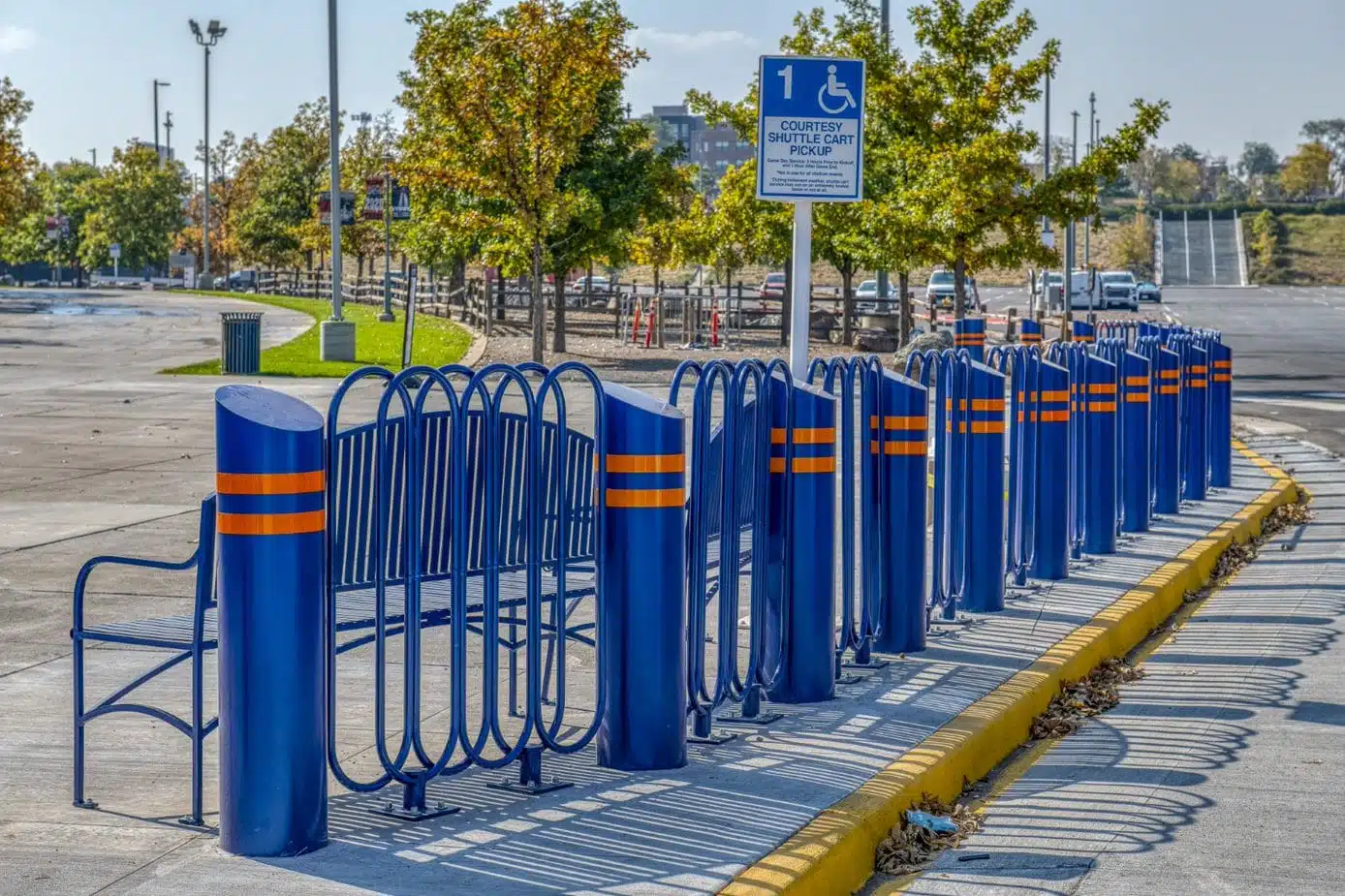
- Reinforced benches, art displays, seat walls
Looking to the Future of Vehicular Barriers
In recent years, there have been industry-wide conversations to move toward a standard code or policy for bollards and other protection methods. This would have potential insurance implications, as there could be reductions in insurance costs if entities that were targeted had bollards in place. While a hot topic at safety conferences, there is no current legislative activity to implement this at the state or federal level.
Whether you’re looking to implement bollards at your local government, municipality, commercial property, data center, or sports complex, these safety measures are critical to providing proactive security measures for people and assets.




Related Insights
Related Projects