Revolutionizing Airport Operations: Simulation Modeling for Efficiency and Sustainability

Travel is heavily reliant on the efficient operations of airports. As global demand for airline travel continues to increase, airports must implement sophisticated solutions to address their challenges. Airport simulation modeling, a decision-making tool for capital programming and construction phasing support, is one such solution.
By employing simulation modeling, airports can better understand and plan for diverse scenarios and can test out risks, ensuring smoother operations and improved passenger experiences. Read on to learn more about airport simulation modeling, from the different types of models used at airports to the future implications of simulation modeling in the aviation industry.
Airport Simulation Modeling 101
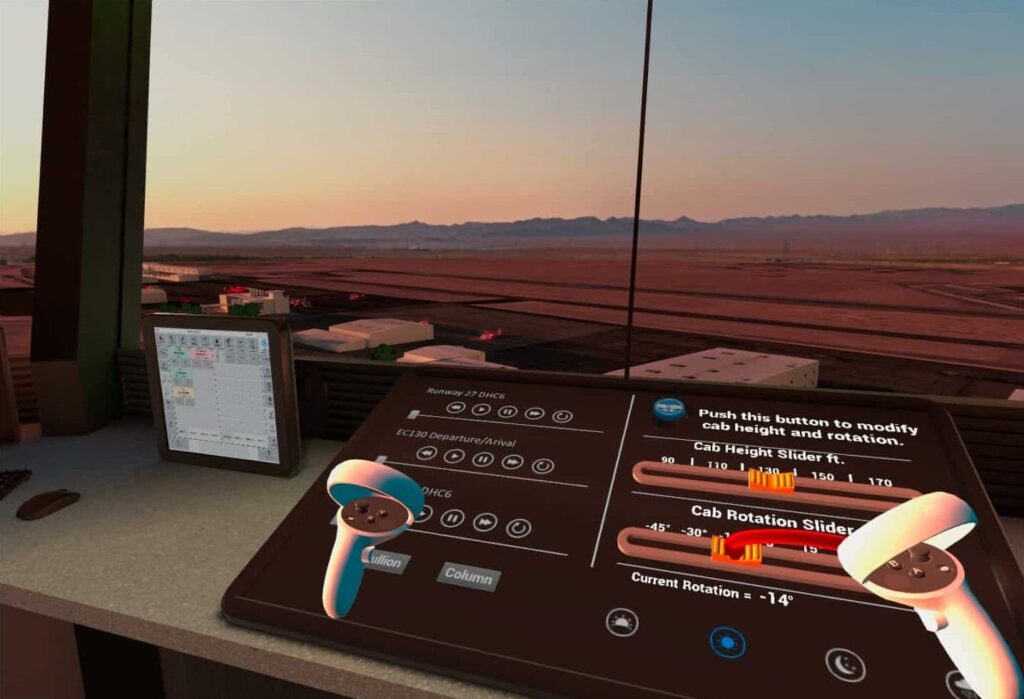
Various forms of simulation modeling have been used at airports for decades. As modeling technology has become more refined and focused, it has become an invaluable tool for airport owners and designers in decision-making processes. By creating a simulation of the airport environment—from runways, terminal buildings, and taxiways to planes moving through airspace—owners and designers can calculate potential aircraft delays and associated costs, as well as the additional carbon generated based on those delays.
Construction phasing is a sore spot in the airport industry, but by simulating potential temporary or permanent changes to infrastructure, airport stakeholders can identify and address issues before they occur, minimizing disruptions and financial losses during construction. With this knowledge, airports have a precise understanding of the fiscal, environmental and operational impacts of decisions and can use the tool to optimize the situation.
With the implications from simulation modeling, namely a reduction in aircraft delays, airports can enhance safety and efficiency, improve passenger experiences, and minimize their carbon footprint—improving sustainability and potentially supporting environmental, social, and governance goals and regulations.
Types of Airport Simulation Modeling Systems
There are various airport simulation models airports can employ to analyze and mitigate challenges like aircraft delays and gate congestion, including:
- Advanced Land Transportation Performance Simulation™ (ALPS)—Kimley-Horn’s proprietary software—assesses airport terminals, curbfronts, and landside environments to form a comprehensive multimodal performance analysis and accordingly plan a terminal facility and landside system.
- Total Airspace and Airport Modeler (TAAM), a highly specialized simulation modeling software used by Kimley-Horn and designed specifically for airports, models the movement of aircraft on the ground and in the air from gate of origin to gate of entry.
- AirTOP®, another modeling software used by Kimley-Horn, is similar to TAAM in that it is used to analyze airfields and airspace. AirTOP can also model passenger flows inside of terminals.
- Terminal Area Route Generation Evaluation and Traffic Simulation (TARGETS) forms the basis of airspace modeling for TAAM or AirTOP. It is used to design aircraft approach and departure procedures as well as map out pre-programmed routes for takeoff and landing.
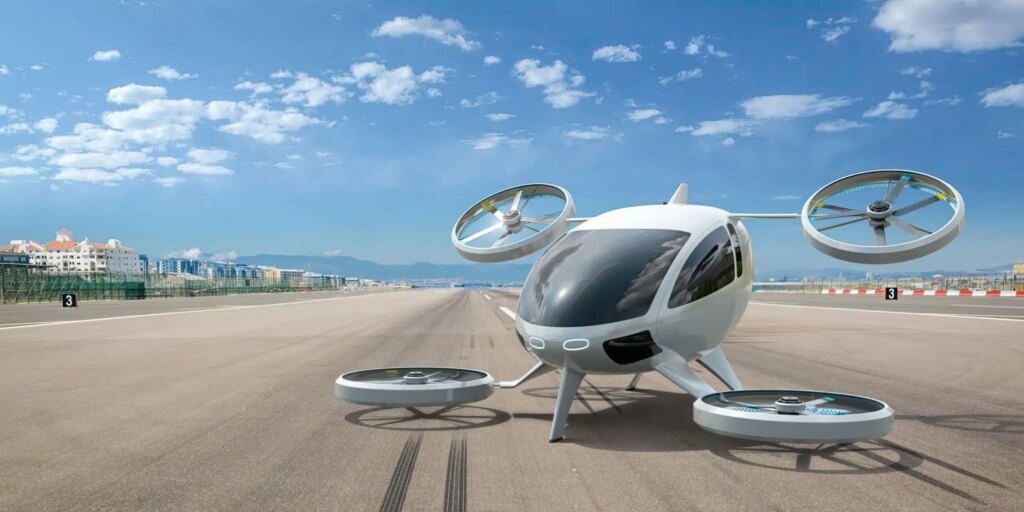
Not only can these systems be employed at airports, but they can also be used within the emerging field of Advanced Air Mobility (AAM).
Simulation Modeling in Action: Use Cases
Kimley-Horn’s expertise in simulation modeling extends to other use cases beyond airport projects. We are currently assisting the Washington State Department of Transportation with creating an AAM network video using simulation modeling for various audiences in the Puget Sound region, including airport owners. Similarly, one of our technology initiatives includes modeling AAM in the New York City airports, demonstrating the potential future of AAM in the city.
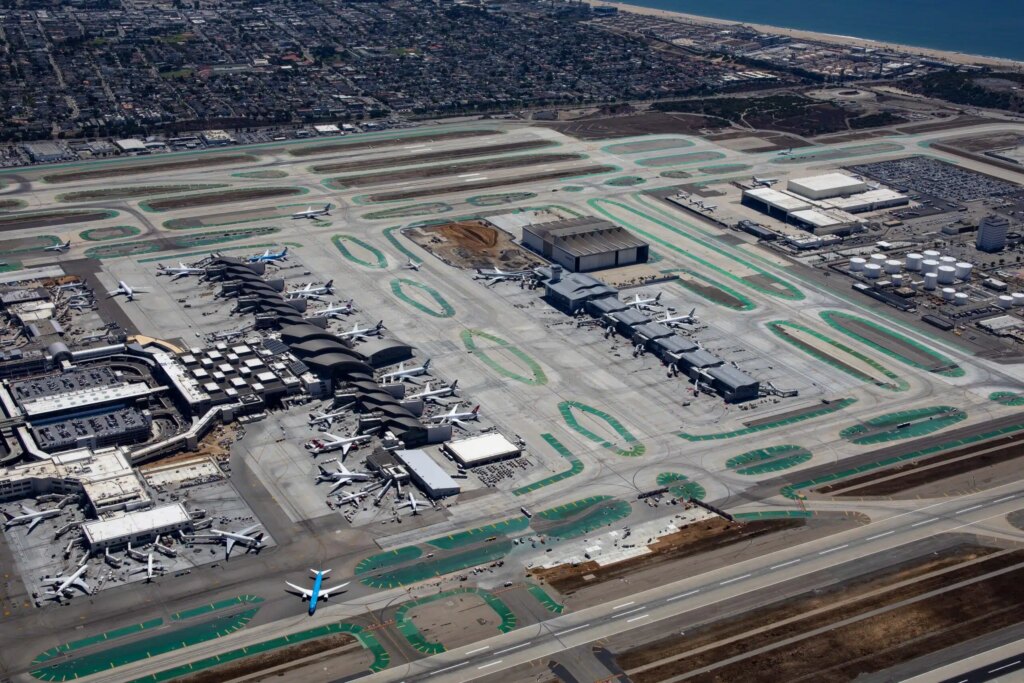
Additionally, Kimley-Horn is currently supporting validation for the landside components of Sacramento International Airport’s forthcoming improvement plans. We are using ALPS to conduct this validation, assessing and refining the landside components as needed before the projects are cleared for final design. We are conducting automobile movement simulations with ALPS at other major airports, such as Los Angeles International Airport, Chicago O’Hare International Airport, and Fort Lauderdale-Hollywood International Airport.
Taking Airports into the Future
Leveraged as part of the communication package for a proposed capital investment at an airport, simulation modeling allows airport owners and designers to assess the costs and benefits of a given investment and supports informed decision-making.
By using simulation modeling, airports can take a step forward in addressing their complex challenges. With the guidance of a seasoned consultant like Kimley-Horn, this technology can be indispensable for airports to optimize their operations, enhance efficiency, and pave the way for sustainable growth in the ever-evolving aviation industry.
Related Insights