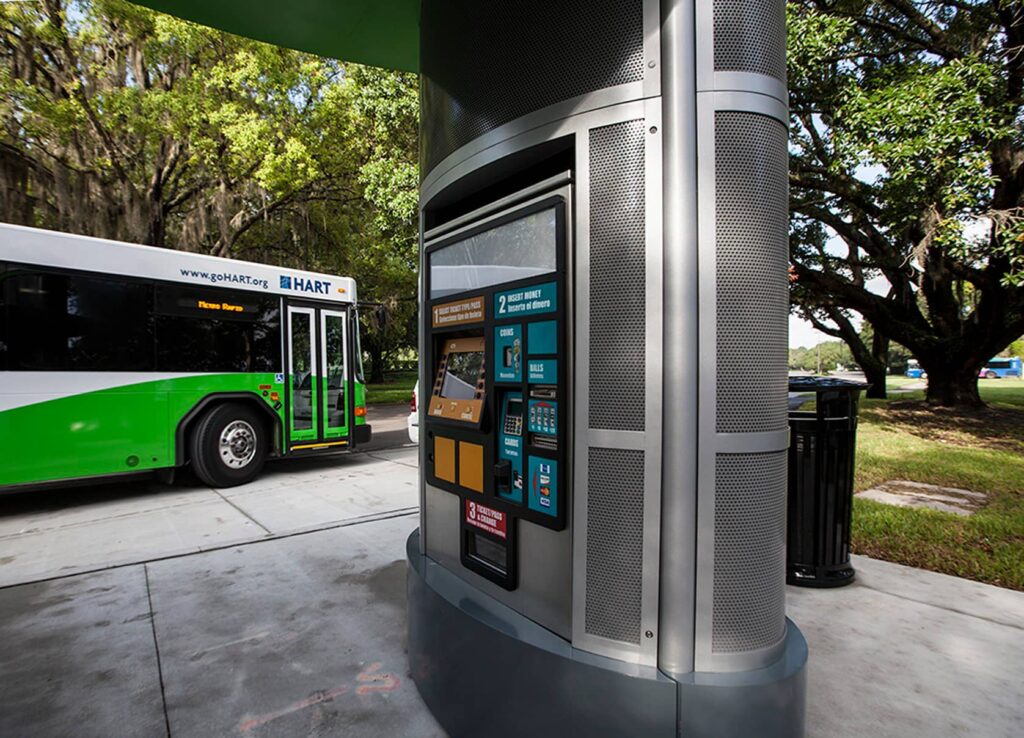
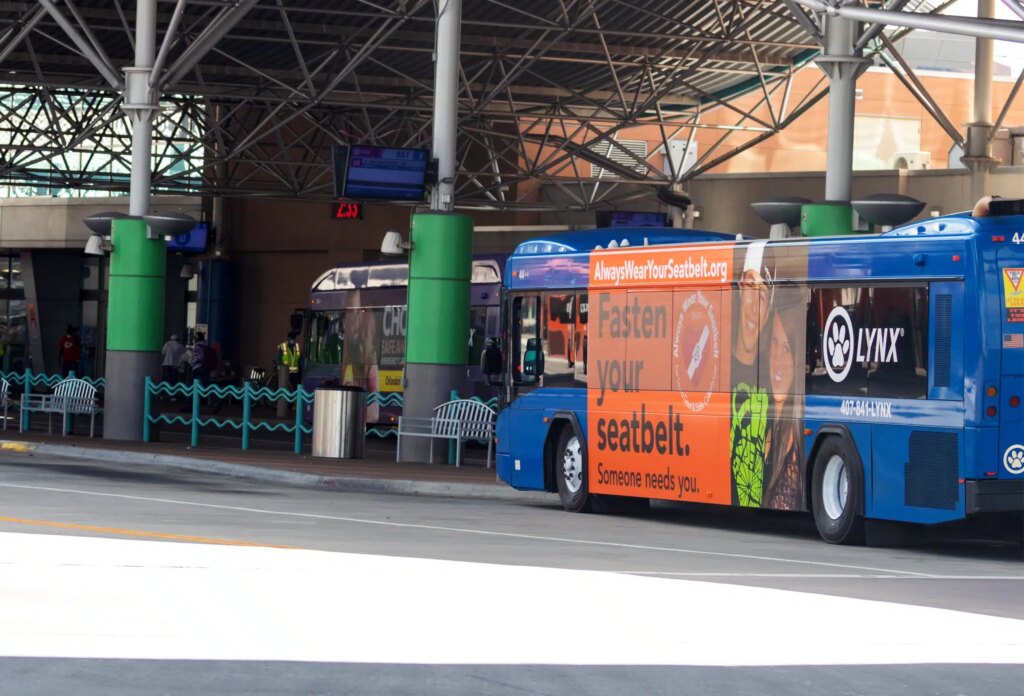
In recent years, many public transit agencies have been facing fiscal cliffs—sharp declines in revenue that threaten their ability to maintain service levels. These financial challenges are caused by a combination of factors, including inflation and rising costs; flat or reduced sales tax; the end of COVID-19 relief funding; deferred maintenance; reduced state appropriations; costly or unfunded mandates; service cuts; and the complex politics that surround public agency funding and operations.
Consistent and reliable funding is vital for transit agencies to maintain financial stability and continue providing essential services to their communities. In response to this evolving fiscal landscape, agencies must adopt bold and forward-thinking strategies that can help them achieve sustainable operations. Read on to hear more from transit planner Erik Mumm on strategies public transit agencies can implement as they look to the future.
Fiscal Sustainability: Operational and Diversification Strategies
Public transit agencies must adopt a proactive approach, starting by clearly defining the scale and timeline of the fiscal cliff and developing a projection of what sustainable funding could look like. Agencies must also recognize the value of preemptively conducting internal cost-saving exercises to assess existing cost efficiency—either by conducting in-house reviews or by engaging an external auditor. These assessments should address service and non-service-related expenses. For maximum effect, assessments can be paired with a forthright report detailing the service cuts that will need to take place if the fiscal cliff remains unresolved.
Following a review, agencies can implement a variety of operational cost-saving measures, including streamlining services, optimizing their workforce, and investing in a comprehensive maintenance regime—which can help extend asset lifespan and lessen the costs of unforeseen repairs. Agencies can also look to new technologies to optimize service and maintenance efficiencies as well as consider revising fare structures.
Additionally, agencies should diversify their revenue streams to secure long-term financial security. This can be primarily through broadening funding sources—such as partnerships, advertising, and comprehensive fare policy reviews—and expanding the pursuit of grant opportunities. Agencies can further explore strategies to maximize land value, like land banking and transit-oriented development, to help generate new revenue streams and offset operational costs. However, this must be done in a way which maintains affordability and access for those who need it most.