Kimley-Horn Projects Receive Five ACEC Engineering Excellence Awards in 2026
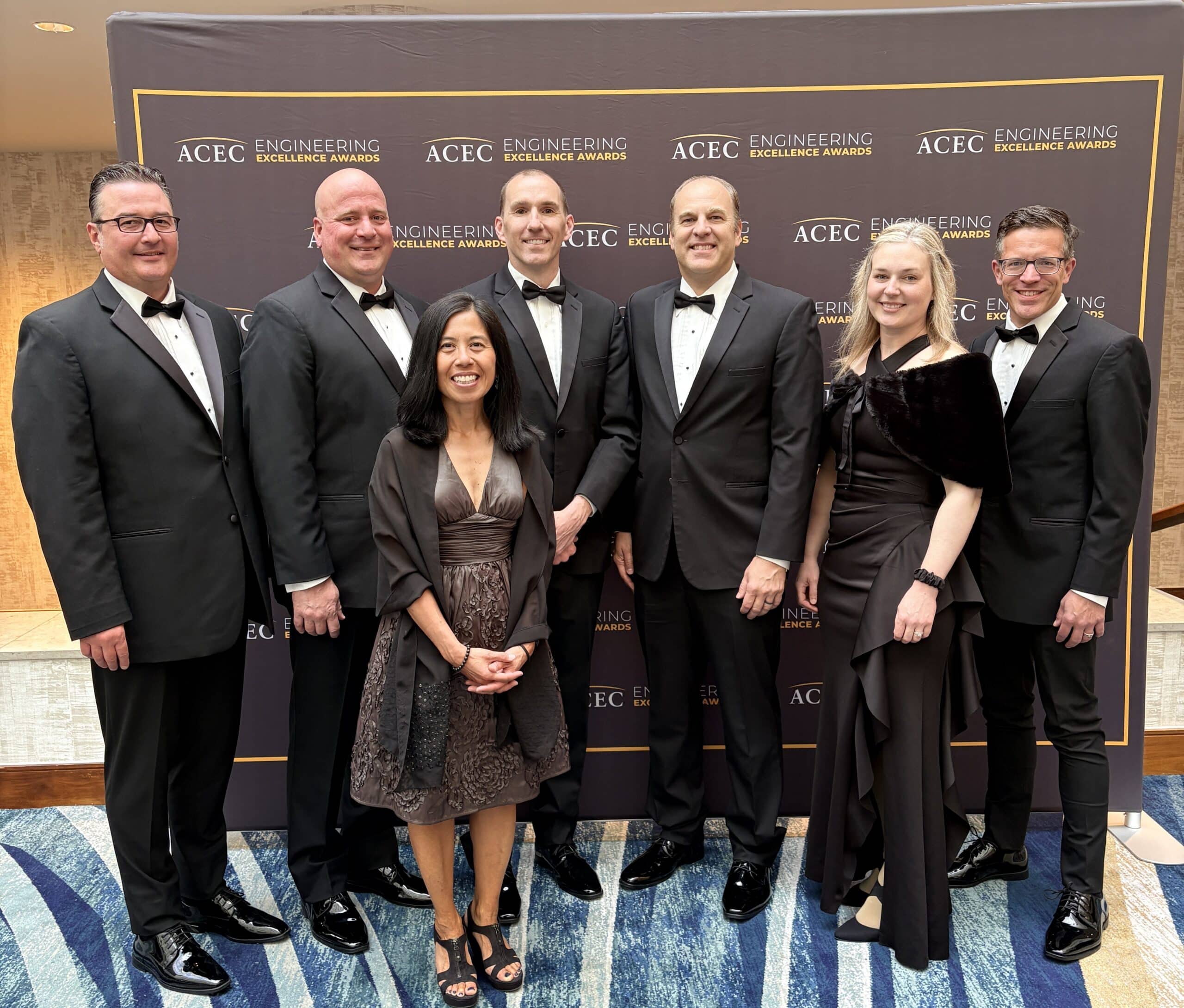
Kimley-Horn projects received five national American Council of Engineering Companies (ACEC) Engineering Excellence Awards in 2026 at both the Honor and Recognition levels. Read on to learn more about how these projects are enhancing transportation connections, creating innovative urban infrastructure, and elevating modern medical research and education.
2026 ACEC Honor Award
ST. PAUL, MINNESOTA
Highland Bridge
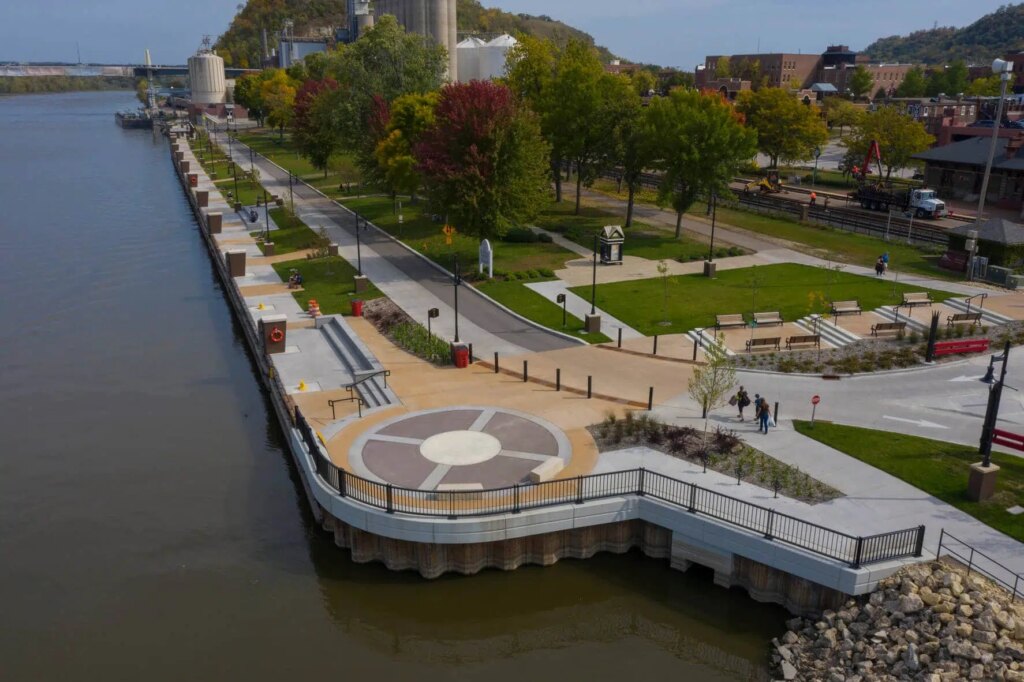
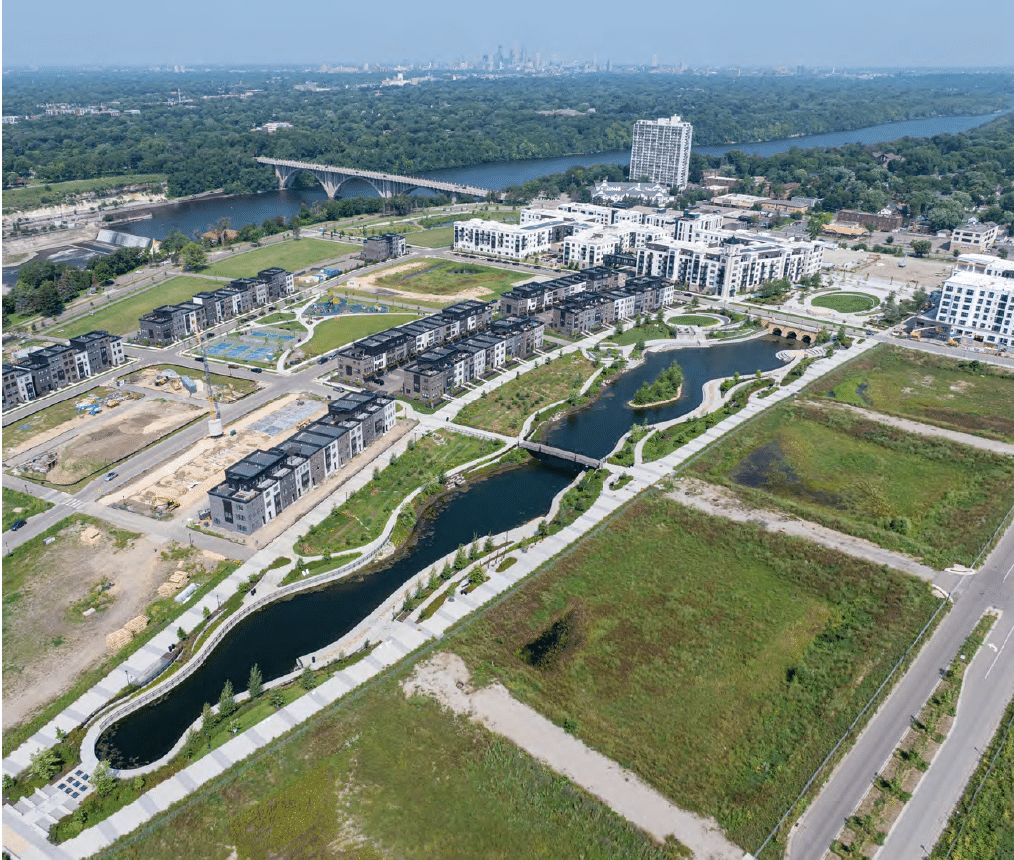
Highland Bridge is transforming a former industrial riverfront into a walkable and sustainable mixed‑use community that will deliver lasting value for the City of St. Paul, its residents, and future developers. In close collaboration with the city, developer Ryan Companies, Capitol Region Watershed District, and Barr Engineering, we helped pioneer a stacked infrastructure approach that layers stormwater, utilities, transportation, parks, and public spaces within a compact urban footprint.
This innovative system captures and treats stormwater at a district level, protects downstream waterways, frees up development land, and creates more than 55 acres of usable open space while supporting multimodal community life. As the civil engineer of record, Kimley‑Horn partnered closely with the client and design team to integrate diverse infrastructure into this model for sustainable urban redevelopment nationwide.
2026 ACEC National Recognition Awards
WASHINGTON, DC
Better Bus Network Redesign
Through the Better Bus Network Redesign, the Washington Metropolitan Area Transit Authority (Metro) and its partners reimagined a 50-year-old bus system to better reflect how the region travels today. Grounded in data, shaped by more than 45,000 community interactions, and strengthened by collaboration with WBA Research, NeoNiche Strategies, Cambridge Systematics, and Foursquare ITP, the redesign transformed DC transit with a more customer-focused model. The redesign expanded access to popular service areas and enhanced customer experiences for communities throughout the DC Metro region—including increasing the number of residents with access to high-frequency service in the evenings by more than 100,000.
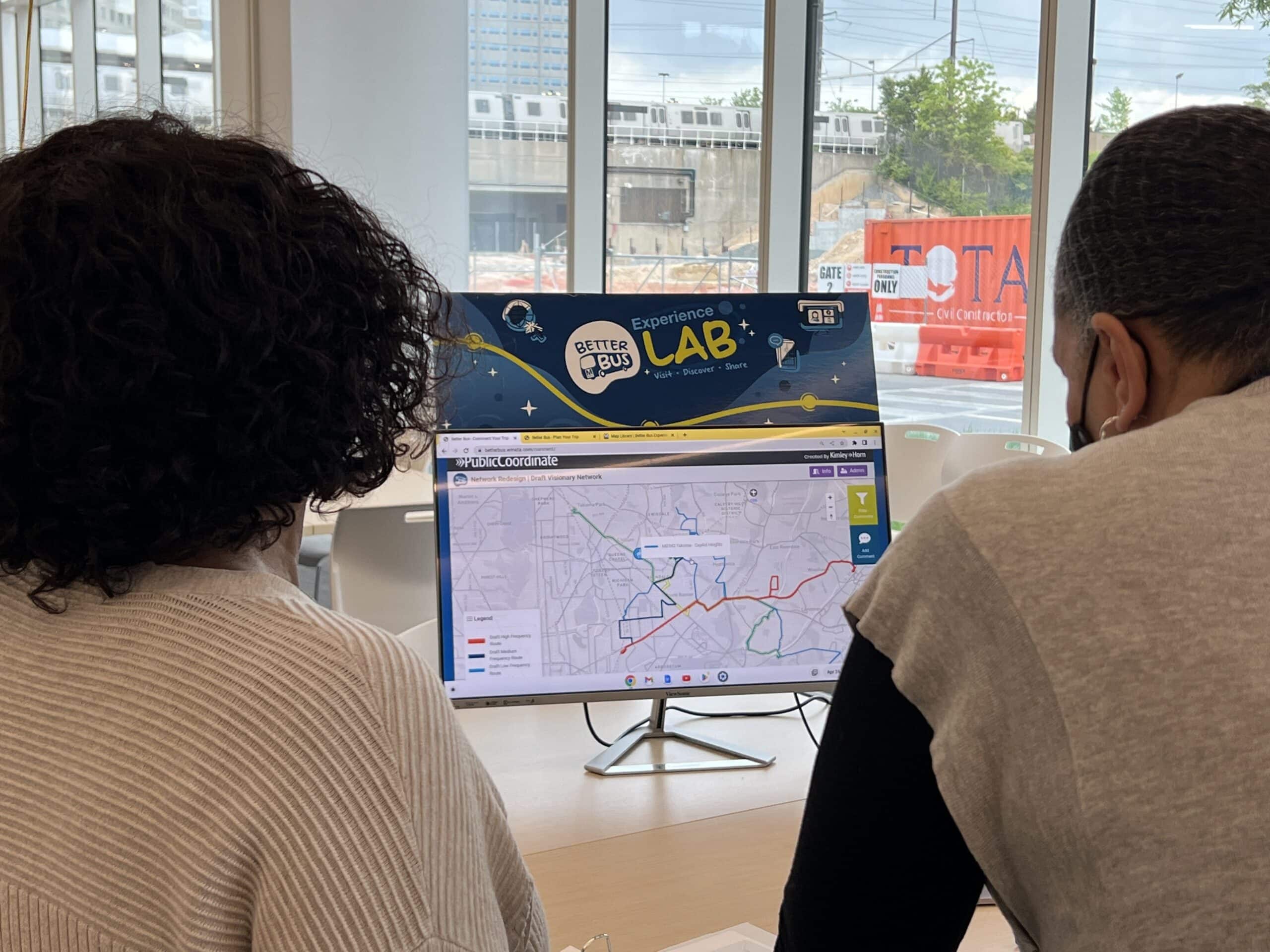
As a partner to Metro, Kimley-Horn helped translate complex transit planning, technical analysis, and public input into a scalable foundation for sustainable, reliable mobility. The Kimley-Horn team also deployed PublicCoordinate as a key element of the engagement approach to seek feedback on potential changes to the bus network. This resulted in thousands of actionable, organized public comments that the technical team reviewed and used to make refinements to the proposed network.
CHARLOTTE, NC
The Pearl: Charlotte’s Innovation District Phase 1A
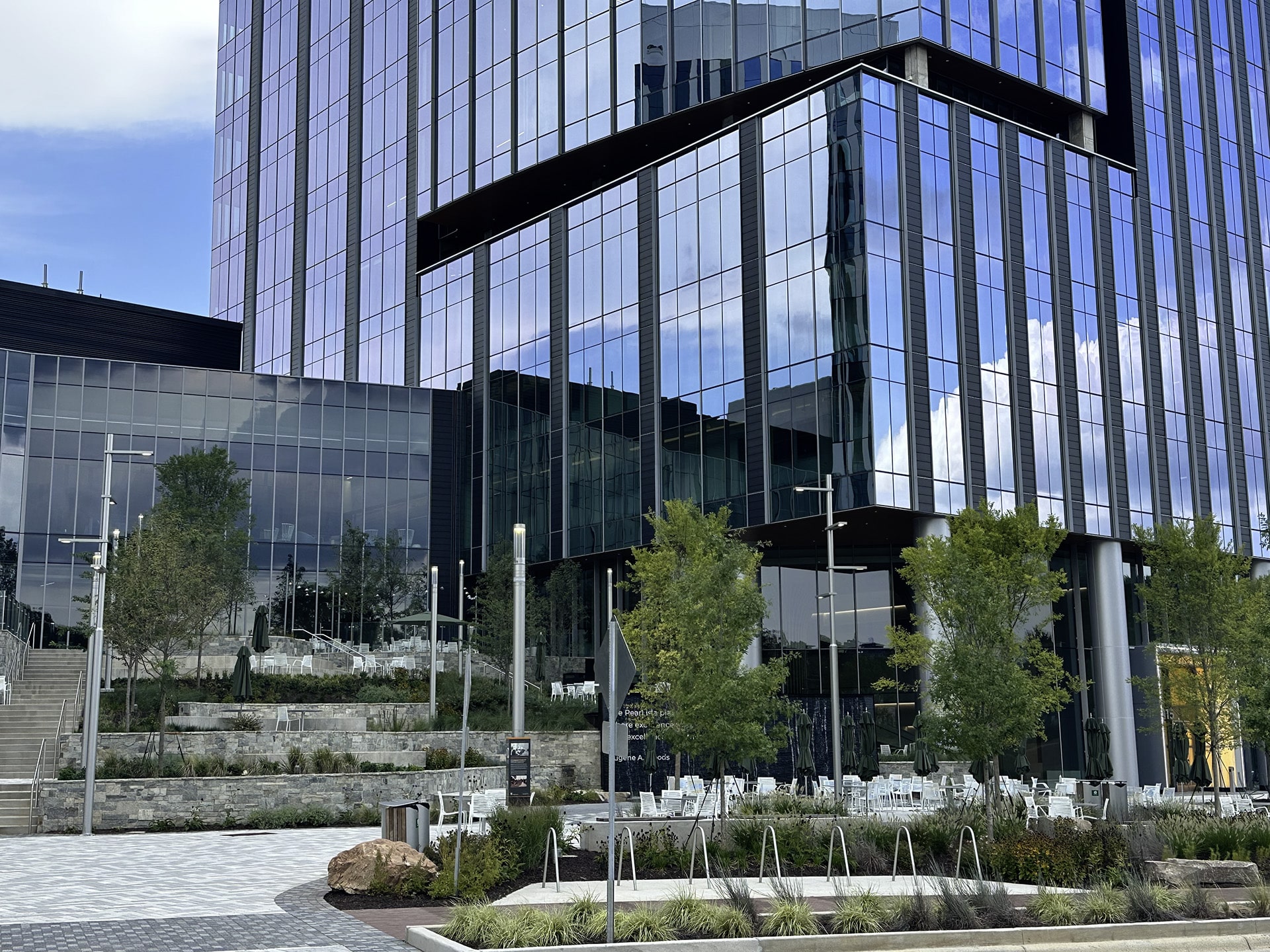
The Pearl is helping Atrium Health and Wexford Science + Technology create a mixed-use destination that blends healthcare, education, and other community features in one connected environment. By delivering Charlotte’s first four-year medical school and attracting global research leaders like IRCAD, the project is addressing a critical gap in advanced medical education while positioning the city as a hub for research and collaboration. Beyond its buildings, The Pearl is driving community impact—reconnecting neighborhoods, honoring the legacy of the historic Brooklyn community, and creating spaces that foster economic and social growth.
As a trusted partner, Kimley-Horn supported this vision with integrated engineering, planning, and design services. From infrastructure and site development to landscape architecture, the team worked alongside project partners to create a place that delivers lasting value for clients, strengthens communities, and advances the future of the engineering industry.
MINNEAPOLIS AND ST. PAUL, MN
METRO B Line Arterial Bus Rapid Transit & Lake Street Improvements
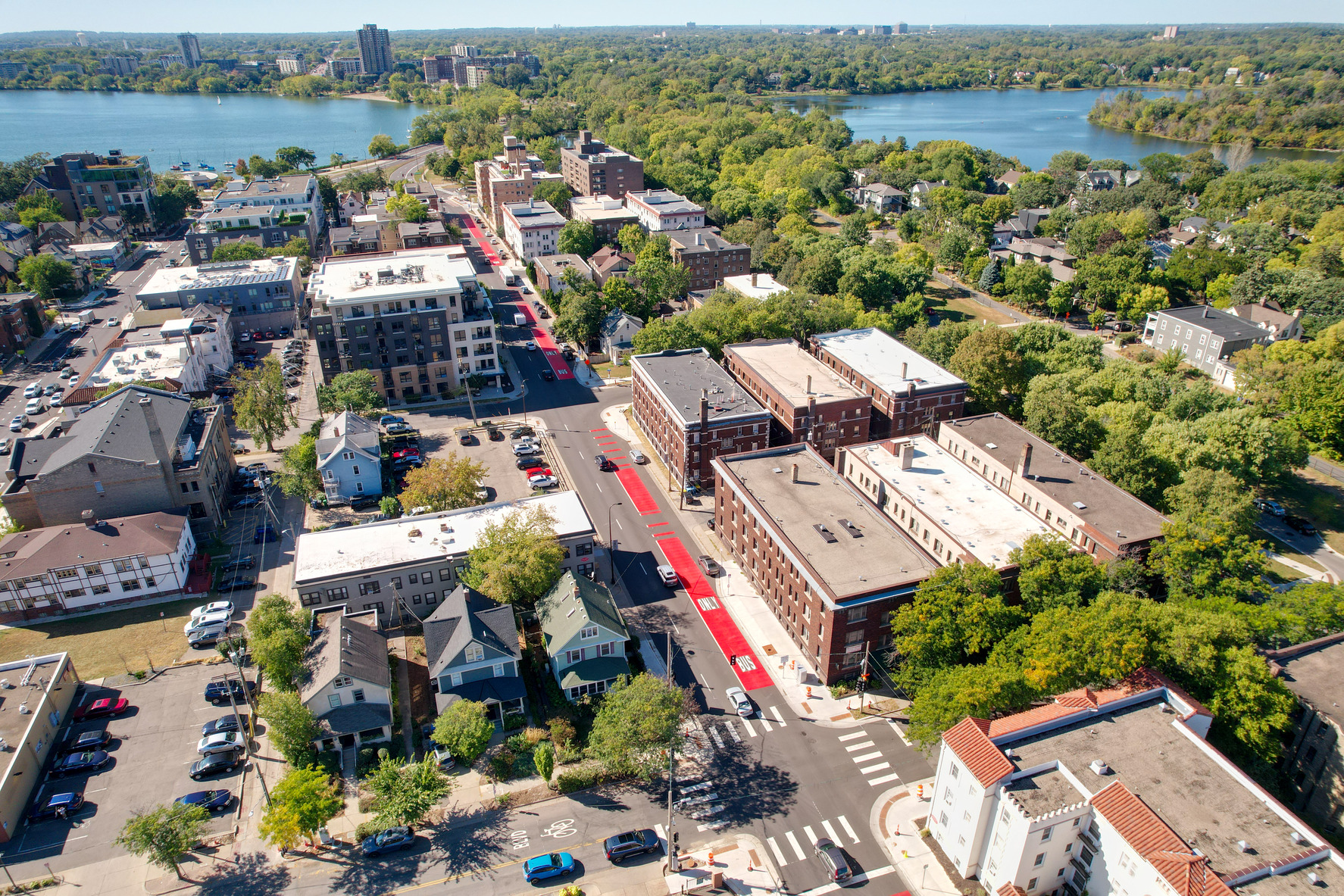
The METRO B Line is helping Metro Transit and its public agency partners deliver a more reliable transit experience across Minneapolis and St. Paul. By replacing Route 21 with a 13-mile arterial BRT corridor, the project has significantly improved travel times, safety, and accessibility along one of the region’s busiest transportation corridors. With 33 enhanced BRT stations, transit signal priority, and seven miles of dedicated bus lanes, the B Line addresses critical challenges like slow service speeds and high crash rates on Lake Street.
Kimley-Horn worked alongside agency stakeholders to support complex design and construction across a dense urban corridor. From multimodal safety enhancements to coordinated infrastructure improvements, the team navigated technical challenges while maintaining strong collaboration and project momentum. Delivered on time and under budget, the B Line demonstrates how thoughtful partnership can drive meaningful outcomes for a more sustainable future.
NORTH AND EAST TEXAS
US 287 Texas Corridor Study
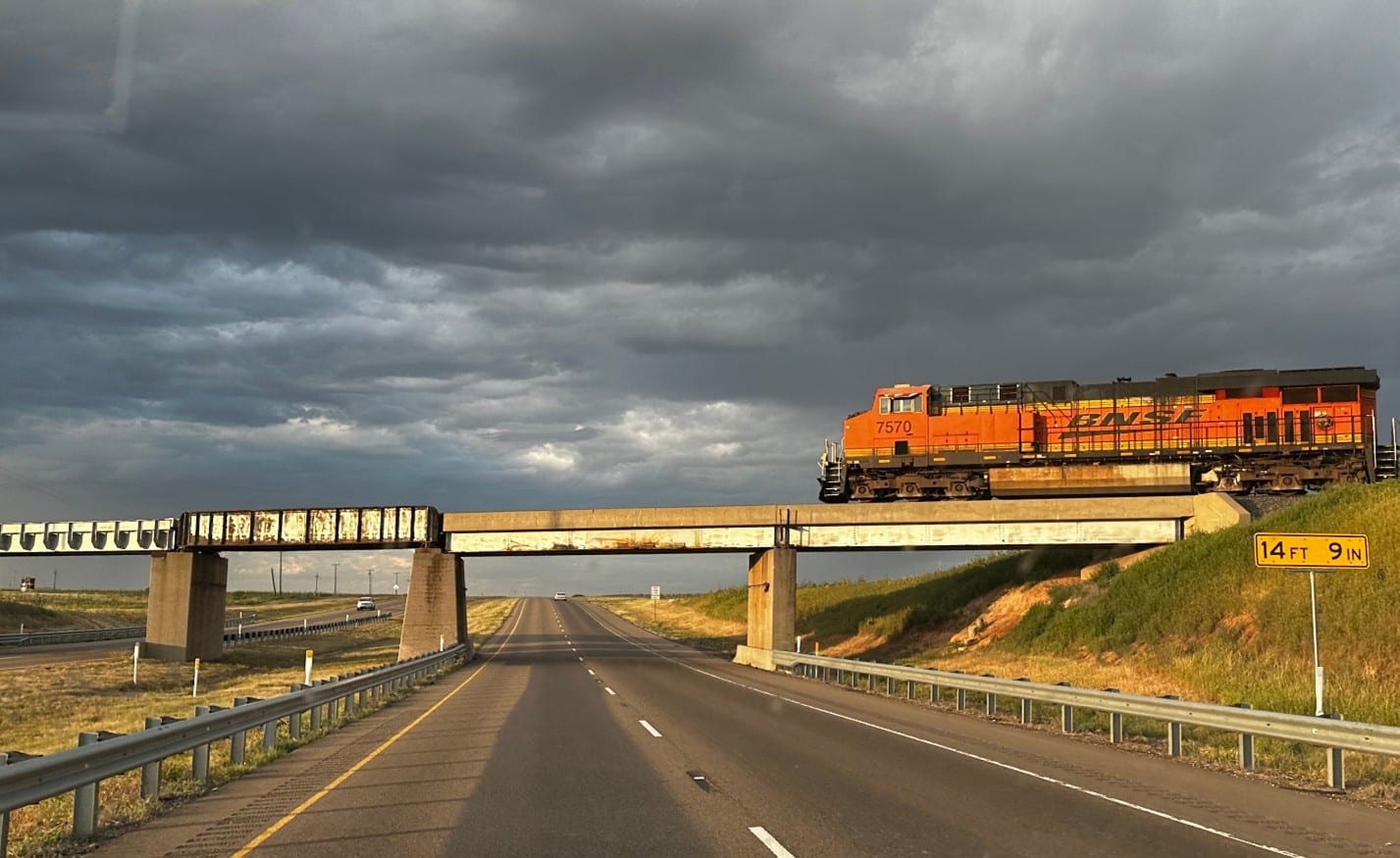
Through the US 287 Texas Corridor and Interstate Feasibility Study, the Texas Department of Transportation (TxDOT) and its partners set a goal for one of the state’s most critical transportation networks. Spanning 671 miles across nine TxDOT districts and 55 counties, the study prioritized multimodal solutions to enhance safety, improve freight mobility, and strengthen connectivity between rural and urban communities.
Kimley-Horn supported TxDOT by translating complex data, technical analysis, and community input into a roadmap for more than 200 segment-specific improvements estimated at $11.99 billion. The feasibility study outlines a scalable, implementation-ready framework that supports emerging technologies, reduces congestion, and expands access to jobs and markets—driving long-term economic opportunity and resilience across the Lone Star state.
Related Insights